Holiday in Senegal: The best-kept secret of West Africa
Discover Senegal as a relaxed holiday destination. Far from the crowds, you will enjoy the famous Teranga hospitality, expansive beaches, authentic culture, and water-rich nature.
You increasingly get the idea of traveling to Africa, but you are looking for something that goes beyond the standard safari routes and busy mass resorts. Perhaps you don't want to fly for too long and are not looking for a destination where you race from highlight to highlight. Senegal is closer than you think - only six hours of flying from the Netherlands with only one hour of time difference - and is rightly one of the most underrated holiday destinations on the continent.
Senegal positions itself much more as a relaxed holiday country than a rushed travel country. Where East Africa is about action-packed sales, here it revolves around the slower pace, water-rich landscapes, and the unprecedented local hospitality, called Teranga by the Senegalese. It is the ideal place for families looking for a closer (and cheaper) alternative to Cape Town, or for culture-seeking couples who appreciate the authentic vibe and laid-back atmosphere of, for example, a country like Albania.
Culture in Senegal
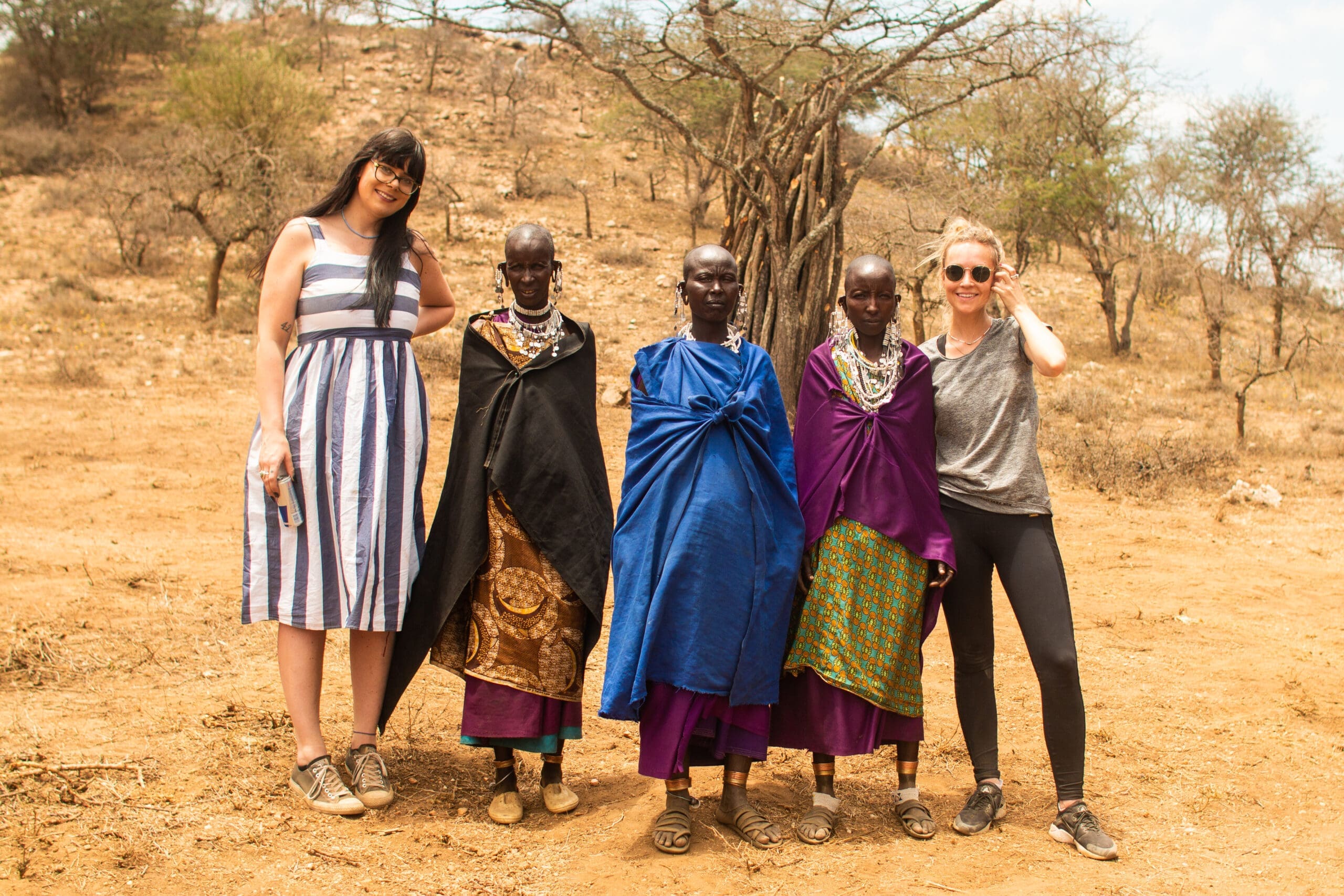
What makes Senegal immediately so pleasant is the extremely relaxed and tolerant atmosphere. It is a proud Muslim country where religion is in no way forced upon visitors; you see many women active in the streets, and everyone lets you be free to do your own thing. A breath of fresh air compared to some other destinations: you are not constantly harassed on the street or on the beach by pushy vendors.
Keep in mind that the country is very idiosyncratic in terms of language. Although French is the official language, only 10 to 15% of the population speaks it truly fluently. Most speak Wolof or other local dialects. This makes communication sometimes challenging, but with hands, feet, and Google Translate - combined with a (somewhat) English-speaking private driver - you can get everywhere.
Culture is everywhere to be found:
Saint-Louis: The old colonial French capital, located on an island. Now a relaxed paradise full of faded pastel-colored buildings and a bustling jazz scene.
Dakar & Île de Gorée: The contrasting, energetic capital and the poignant, car-free island of Gorée, which shows you the heavy history of the transatlantic slave trade with your own eyes.
Abéné (Casamance): Here you dive into the real rural Senegal. At hostess Khady's, you can follow a cooking class to make the national dish Kip Yassa, learn to play the djembe, and visit the extraordinary, 1500-year-old 'Arbre Sacré' (sacred tree).
Beach in Senegal
Because Senegal has a long coastline on the Atlantic Ocean, it is an ultimate destination for beach and nature lovers. No rows of sunbeds and huge hotel chains here, but authentic coastal towns:
Cap Skirring: Located in the lush green and remote south (the Casamance). Here you find wide, white sand beaches and beautiful warm ocean water. It is seen by many as one of the most beautiful coastlines in all of West Africa.
Toubab Dialaw: An artistic, fairy-tale fishing village just below Dakar. Surrounded by cliffs and colorful houses, this is the perfect place to arrive in peace and quiet right after your flight and herald the start of your holiday.
De Saloum Delta: Less of a traditional beach, but a water-rich labyrinth of thousands of mangroves, islands, and river arms. From your colorful hut or eco-lodge, you can step straight into a kayak or hammock to admire the starry sky.
Safari in Senegal
Senegal is not a safari destination in the classic sense (don't expect a 'Big Five' safari in Masai Mara style here), but that is exactly what makes it unique: you experience the wilderness in absolute, raw silence.
Niokolo-Koba National Park: This is the largest and most extensive national park in the country. You go off-the-beaten-track into nature here in search of baboons, hippos, buffaloes, and rare bird species. Not dozens of jeeps circling a lion, but a pure encounter with West African nature.
Water-safari's: A large part of the 'safari' in Senegal takes place on the water. In the Saloum Delta and the waters of the Casamance around Île d'Egueye, you sail by pirogue (local canoe) or boat along the banks, searching for pelicans, flamingos, and the crocodiles that swim quietly among the mangrove roots.
Practical tip for on the road: Traveling through Senegal requires an elastic approach to time. The roads and infrastructure are fine, but travel times often turn out longer than Google Maps suggests. Because self-drive is very expensive and difficult to organize, a car with a private driver is the smartest, safest, and most relaxed way to explore the country. Lean back, look out the window, and let yourself be immersed in the rhythm of Senegal!
What a holiday in Senegal teaches you
Anyone who travels to Senegal quickly discovers that the country does not let itself be forced into a tight travel schedule. Where you might be used to racing from highlight to highlight, Senegal asks for a different mindset. These are the three most important lessons for a relaxed holiday here:
Letting go is the best preparation. In Senegal, time is elastic. Punctuality is simply less important here than social contact and connection. That might take some getting used to, but it rewards you with the most beautiful unexpected moments: spontaneously picking fresh oysters from the mangroves, an unexpected djembe session, or forgetting the time with a locally brewed cup of tea.
The people make the destination. Senegal is not a country where you only watch from the sidelines; you naturally become part of it. The famous hospitality, Teranga, is felt everywhere. It is the encounters with proud, friendly locals - from your driver to the owner of a local guesthouse - that truly make your trip unforgettable.
Don't skip the Casamance. Many travelers linger around Dakar or neighboring Gambia, but the southern Casamance is the absolute highlight for many. Because it is cut off by Gambia, it is much greener, more tropical, and quieter than the north.
Senegal Map - Travel Route Charlie's Travels
Inspiration route: 15 Days of culture, mangroves, and hidden beaches
Arriving at the coast (Day 1-2): You start relaxed in Toubab Dialaw, an artistic fishing village just below Dakar, ideal for quietly acclimatizing to the ocean.
The Saloum Delta (Day 3-4): Travel southwards to a gigantic water-rich labyrinth of mangroves. You sleep in an eco-lodge on the water, explore the creeks by kayak, and eat fresh oysters that you pick directly from the mangrove roots.
An unforgettable crossing to Gambia (Day 5-6): Cross the border to English-speaking Gambia for a major culture switch. This border crossing is an adventure in itself: instead of the ferry, you take a small wooden fishing boat across the river, climbing onto the shoulders of a local to get on board dry! Once on the other side, you visit the lively and chaotic market of Serrekunda and drink a cocktail in Gunjur with a view of a surreal mosque on the beach.
Deep into the Casamance (Day 7-11): Travel into the rural south of Senegal. Enjoy a Senegalese cooking class and djembe music in the village of Abéné. Seek out the absolute silence on Île d'Egueye and end your beach holiday on the wide, white beaches of Cap Skirring.
By night ferry to Dakar (Day 12-15): The most fun way to travel back to the north is the night boat from Ziguinchor. After a journey across the ocean under the starry sky, you wake up in the bustling capital Dakar. Here you alternate atmospheric markets with an impressive visit to the slave island Île de Gorée.
Frequently Asked Questions about Vacation in Senegal
Can you go on safari in Senegal?
Yes, but don't expect scenes or a 'Big Five' focus like in Kenya or Tanzania. Senegal offers a totally different safari experience. The Niokolo-Koba National Park in the east is extremely vast and not at all touristy. It revolves around the pure wilderness and absolute silence when searching for, for example, buffaloes, lions, hippos, and hundreds of bird species.
How does the border crossing between Senegal and Gambia go?
For a unique, off-the-beaten-track experience, you don't cross the river with the busy, regular ferry, but with a wooden fishing boat. Because there is no pier, you can pay a local a small contribution to carry you on their shoulders to the boat so your shoes stay dry. It is an organized chaos, but that is exactly what makes it so much fun and authentic!
How is it best to travel back from the Casamance to Dakar?
Take the night ferry! This comfortable boat trip departs daily from Ziguinchor. You first sail beautifully for a few hours over the Casamance River, where with some luck you can see dolphins jumping along the bow. Then you sleep wonderfully in a cabin while the ship sails across the Atlantic Ocean, to wake up the next morning in the bustling port of Dakar.
Don't have the time for this? Flying is also an option.
What is 'Café Touba'?
This is the national coffee of Senegal. It is absolutely not a soft cappuccino, but a strong, dark, and bitter coffee spiced with Guinea pepper (selim) and sometimes cloves. This provides a unique, smoky, and spicy aftertaste. You buy it for a few cents on almost every local market.
How does Ramadan affect a tour?
Senegal is 96% Muslim, which means that Ramadan is visible and tangible everywhere in the country. During the day it is quieter on the street and local eateries are closed, but in the evening the country comes magically to life. As soon as the sun goes down, families eat together on the street and music sounds everywhere. Traveling is perfectly possible and even very special, as long as you respect the rhythm and show some flexibility.
Your tailor-made Senegal holiday
Ready to avoid the crowds and discover the real West Africa? Plan a non-binding call with our Senegal expert Seba. We build a trip that perfectly fits your wishes - whether you are looking for pure relaxation, cultural depth, or a bit of both.
My Senegal: Exploring Dakar with guide Mame Diarra Seck
Welcome to Senegal! I am Mame Diarra Seck, and I’ll take you through the rich history of Dakar, Île de Gorée, and our special hospitality.
Dalal jàmm ci Senegaal!
Blog
North vs. South Malawi: Which Region Suits Your Road Trip?
Travel Story
Travel Story: Angola through the eyes of Pioneer Hanneke
Travel Story
Travel Story: Annelieke on a Pioneering Trip Through Senegal
Travel Story
Travel Story Southern Tanzania: Through the Lens of a Filmmaker
Just like you, we love a dash of adventure, and like a good safari guide, cookies make sure you experience our site to the fullest. Accept Cookies? Asante sana! Then you help us to keep improving our website. No cookies? Then your data goes Off the beaten track and we can't improve the experience on our website for other travellers.
Functional
Always active
The technical storage or access is strictly necessary for the legitimate purpose of enabling the use of a specific service explicitly requested by the subscriber or user, or solely for the purpose of carrying out the transmission of a communication over an electronic communications network.
Preferences
The technical storage or access is necessary for the legitimate purpose of storing preferences that are not requested by the subscriber or user.
Statistics
The technical storage or access that is used exclusively for statistical purposes.The technical storage or access that is used exclusively for anonymous statistical purposes. Without a subpoena, voluntary compliance by your Internet Service Provider, or additional data from a third party, information stored or retrieved solely for this purpose cannot usually be used to identify you.
Marketing
The technical storage or access is necessary to create user profiles for sending advertisements or to track the user on a website or across multiple websites for similar marketing purposes.