Casamance, Senegal: The Green South That Gets Under Your Skin

Separated from the rest of Senegal by The Gambia, Casamance feels like a different country entirely. Greener, slower, warmer in spirit, a region of tangled mangroves, deserted beaches, river islands and a coastline that genuinely delivers on the dream.

A different world, in the same world

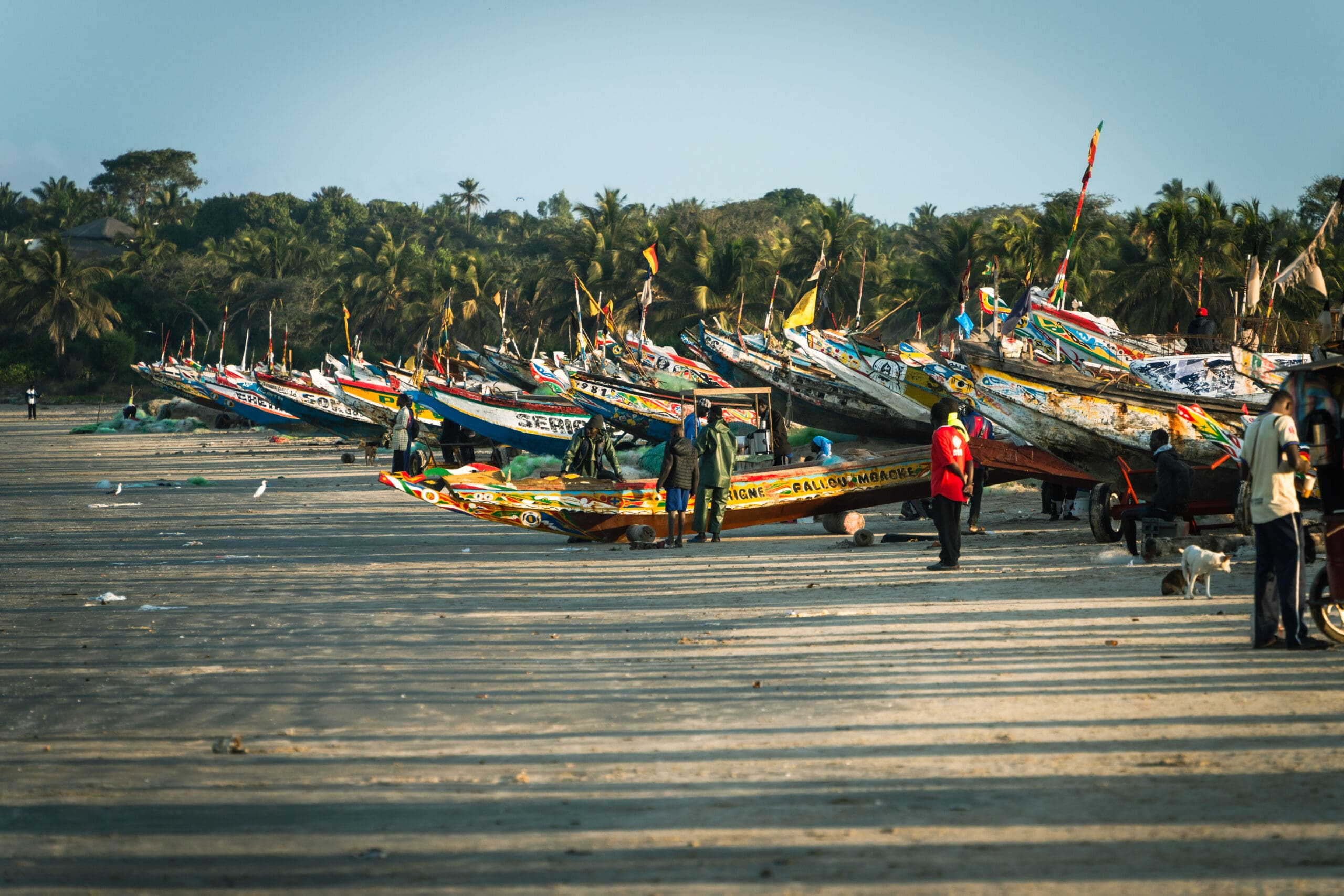
Most travellers who make it to Senegal head straight for Dakar and Saint-Louis. Far fewer push south to Casamance — and that is precisely what makes it special. Separated from the northern part of the country by a thin strip of The Gambia, the region has always felt slightly apart: geographically, culturally and atmospherically. The landscape shifts noticeably here. The dry Sahel scrub of the north gives way to tropical forest, wide rivers thick with mangroves and rice paddies that glow a brilliant green in the rainy season. The people are predominantly Diola, with a culture and language distinct from the Wolof north. The pace is gentler, the smiles are easier and the sense that you've found somewhere genuinely off the beaten track is hard to shake. Casamance rewards the traveller who takes their time.

Things to do around Casamance

Whether you want to do absolutely nothing or venture deep into mangrove channels in search of crocodiles, Casamance has you covered.

Escape to Ile d'Egueye

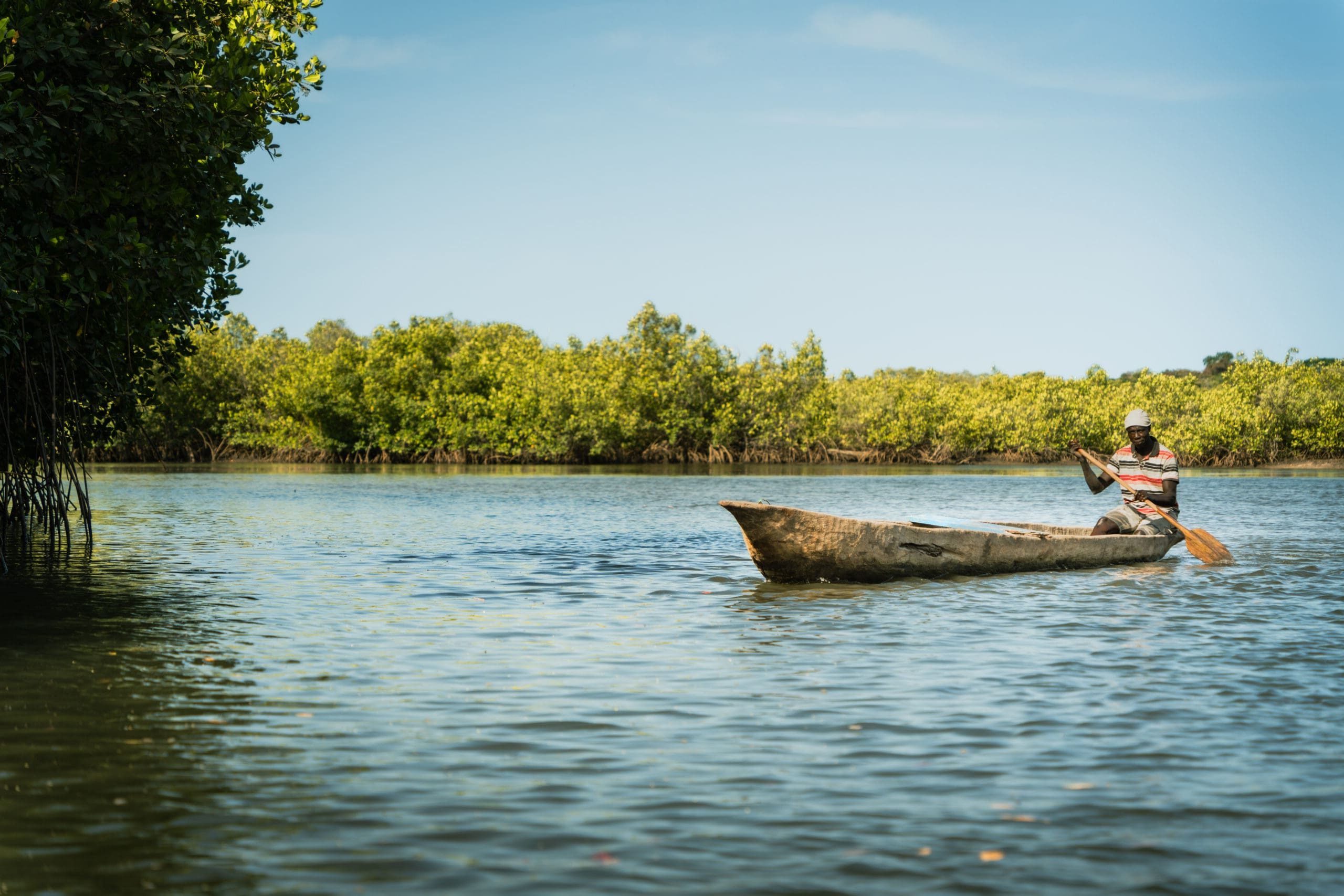
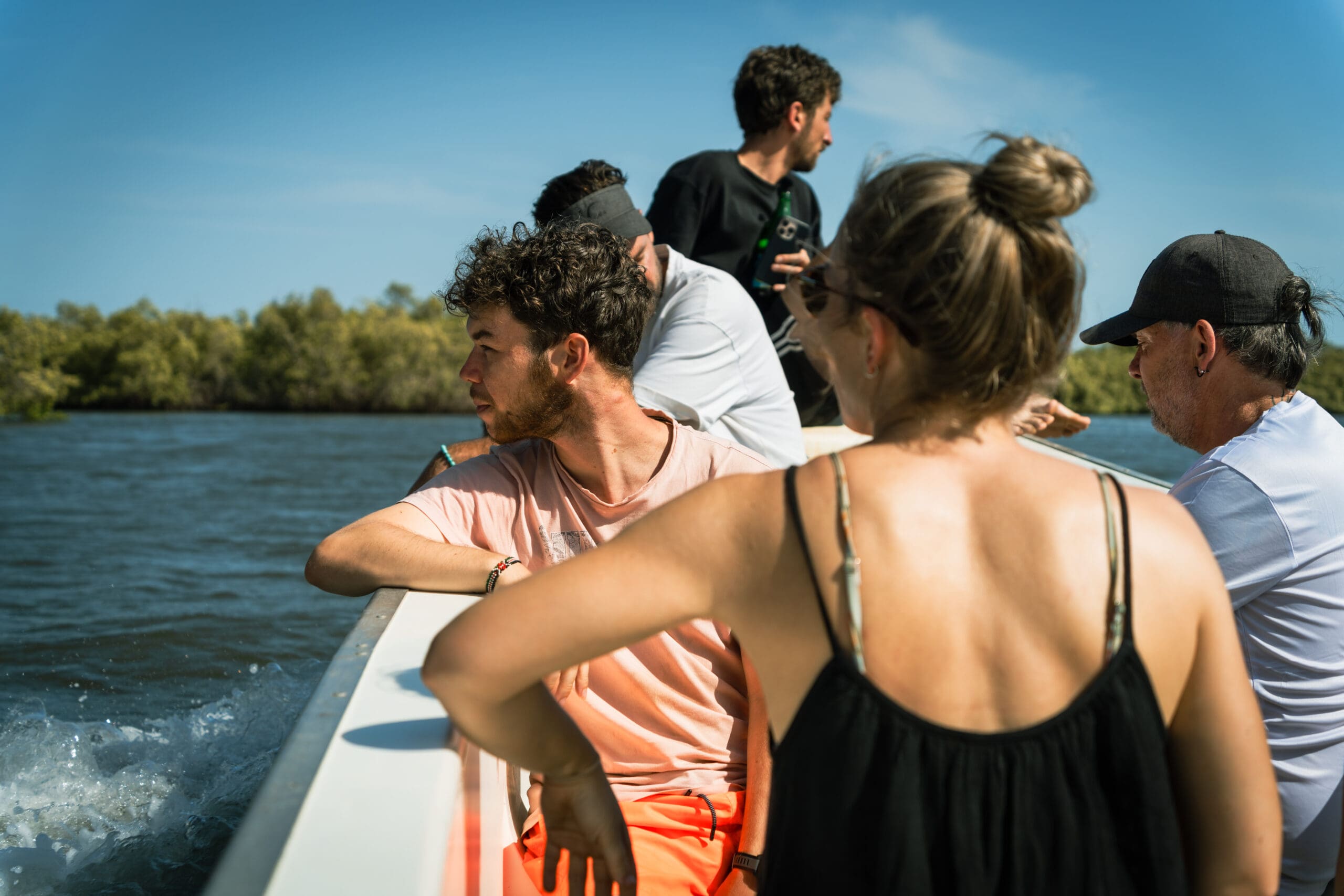
Ile d'Egueye is the kind of island that exists exactly as you imagine a perfect river island should: small, quiet, reached by a little wooden boat, fringed by mangroves and with enough hammocks to ensure you never need to stand up unless you want to. There are no cars, no rush and no agenda. Spend a morning swaying gently while the river slides past. When you're ready to move, take the walk around the island's perimeter that gives you the full picture of just how beautifully tucked away this place is. The real highlight, though, is the crocodile hunt by small boat: guides navigate the narrow channels through the mangroves in search of the Nile crocodiles that inhabit these waters. You don't need to go far. The combination of a glassy river, dense green walls on either side and the sudden appearance of a crocodile on the bank is one of those travel memories that sticks.

Stop in Ziguinchor

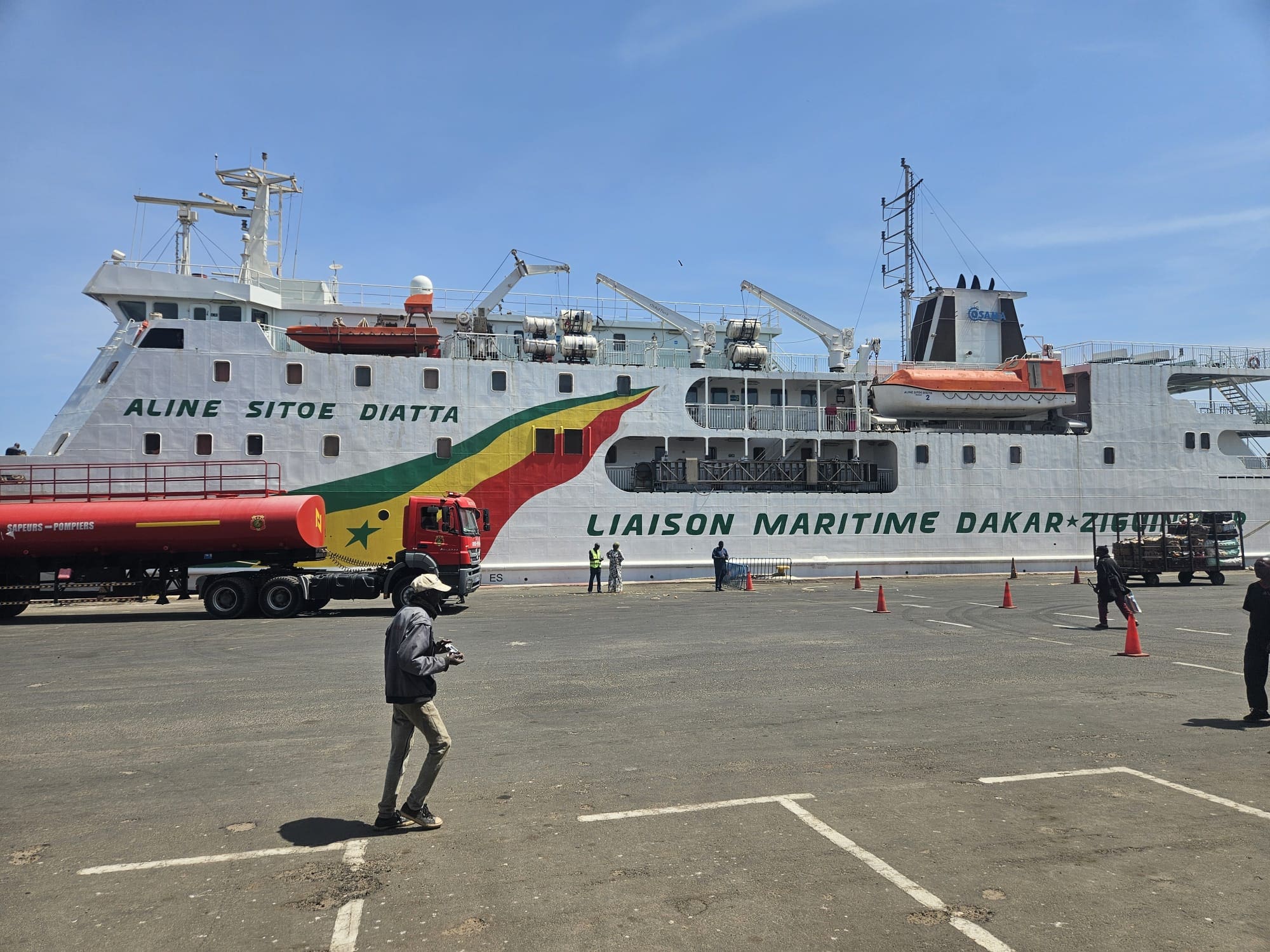
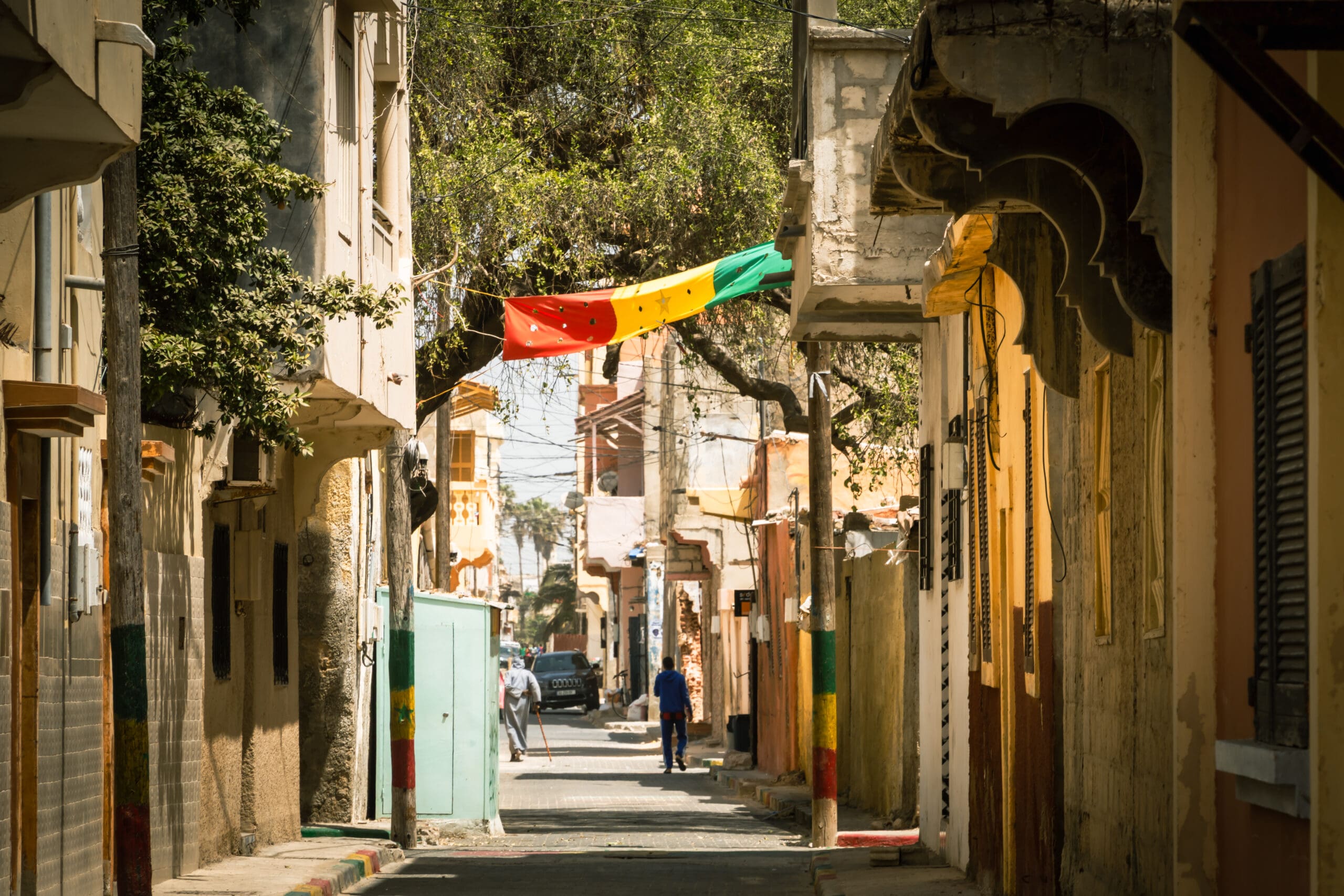
Ziguinchor is the capital and beating heart of Casamance and the tree-lined streets of the centre have a drowsy colonial charm. Ziguinchor is also the departure point for the overnight ferry to Dakar: a classic West African travel experience, sleeping on deck under the stars as the boat makes its way north up the coast. If the ferry is running, it is one of the most atmospheric ways to travel between the two ends of Senegal.

The beach of Cap Skirring

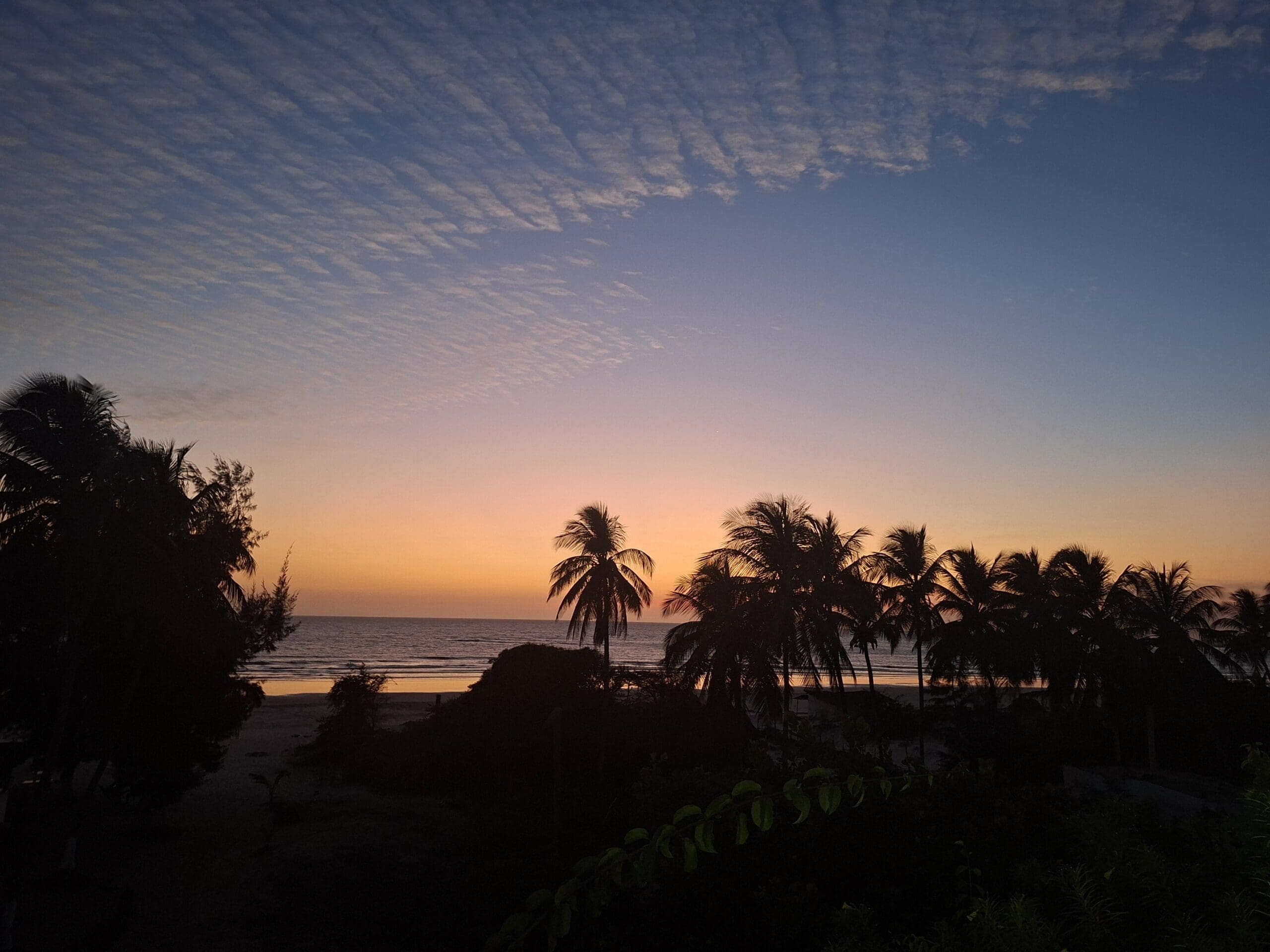
Cap Skirring is Casamance's answer to a proper beach town, and it delivers. Stretched along one of the finest stretches of Atlantic coastline in West Africa, it combines long sandy beaches, warm clear water and a genuinely lively social scene that comes alive in the evenings. Restaurants serve fresh grilled fish and cold beers with the sound of the ocean in the background. There are beach bars that turn into impromptu parties as the night progresses and a loose, friendly atmosphere that makes it easy to meet fellow travellers. Cap Skirring has a small but real nightlife scene. Come for the beach, stay for the vibe.

Our team lives and works in Africa

We develop our own routes

Your trip is tailor-made by us

100% insured while travelling

All your burning questions about Casamance answered

How do you get to Casamance from Dakar?

The most atmospheric option is the overnight ferry from Dakar's port to Ziguinchor, which takes roughly 12-14 hours and runs several times a week (check current schedules as these can change). The alternative is to fly — there are domestic flights between Dakar and Ziguinchor's Cap Skirring airport. Overland travel through The Gambia is also possible but adds considerable time and border complexity.

Is Casamance safe to visit?

Casamance has a history of low-level separatist conflict that ran for decades, but the situation has been calm for many years and the region is now considered safe for tourists. The main tourist areas around Ziguinchor, Cap Skirring and the river islands see regular visitors without incident. As always, check current travel advisories before your trip and ask locally for up-to-date advice on specific areas.

What is the best time of year to visit Casamance?

November to February is the sweet spot: dry, pleasantly warm and green from the recent rains. The rainy season (July to September) transforms the landscape into a brilliant lush green but heavy downpours and muddy tracks make travel harder. March to June gets hot and dry. Most beach-focused visitors come in the European winter months.

What language do people speak in Casamance?

French is the official language and widely understood, but Diola is the dominant local language in much of Casamance. Wolof — the lingua franca of northern Senegal — is also spoken in towns and trading areas. A few words of French will get you a long way; a few words of Diola will get you even further.

Discover more in Senegal

Or browse through all our unique and authentic experiences

Experience

Dakar

Historic islands, charming markets, miles of oceanfront boulevards, culture, and a great atmosphere.

Travel Story

With the pioniers to Senegal!

Relive how our pioneers experienced Senegal!

Voorbeeldreis

A road trip through culture, mangroves, and magical baobabs in Senegal

Discover Senegal from Dakar to the far south, and truly unwind.