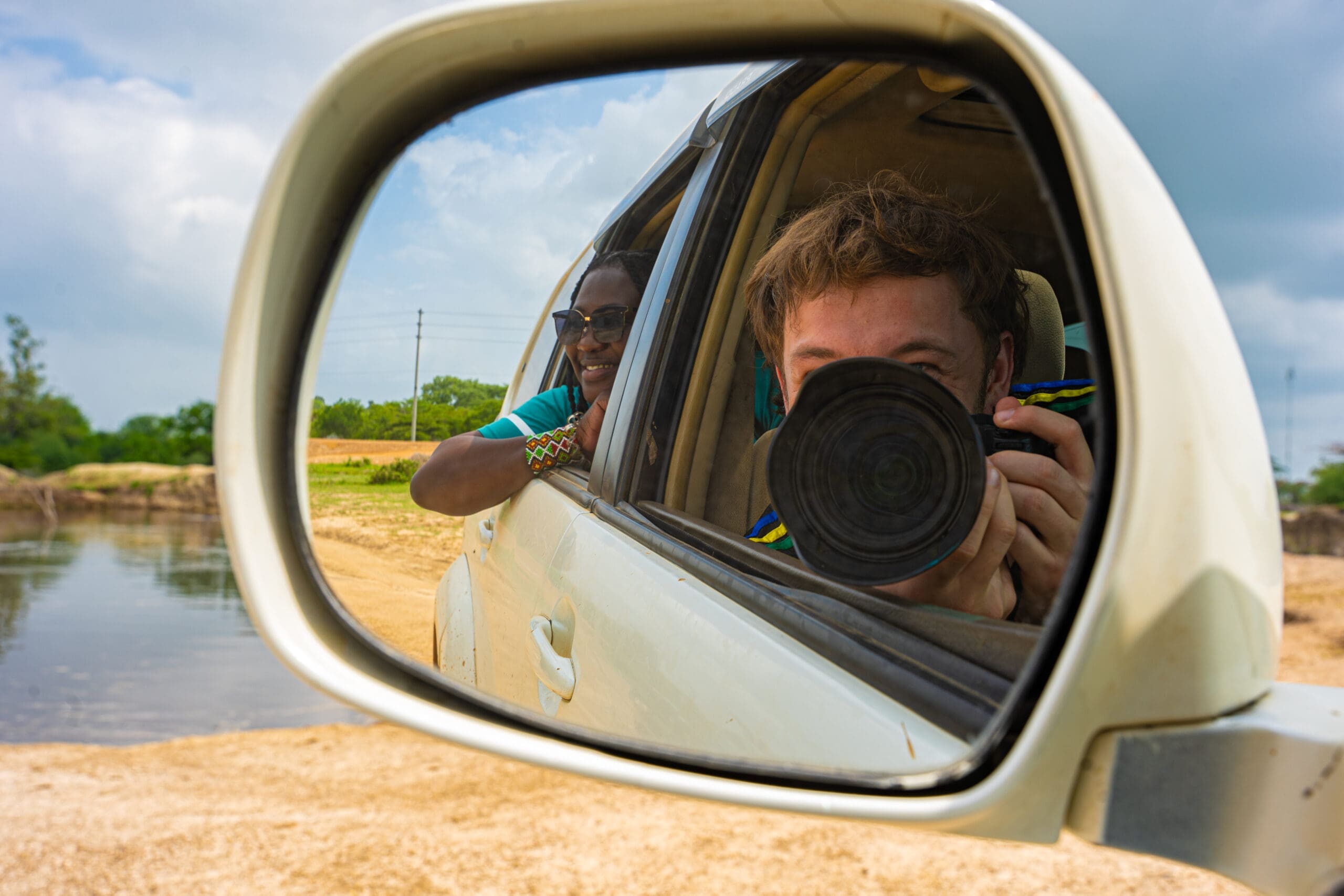
A new concept in Senegal
Since last year, Charlie's Travels has introduced a new concept: a pioneer trip. A small group of travelers, cost-price, an unexplored destination, and together you help develop the itinerary. I clicked, read, and booked my trip to Senegal with people I had never met before.
This is very different from what I usually do. I’m typically the kind of traveler who maps out routes weeks in advance, reads blogs, and plans everything down to the minute. But this time, I let go. YOLO, carpe diem—whatever you want to call it.
Arrival: the group finds itself (just in time)
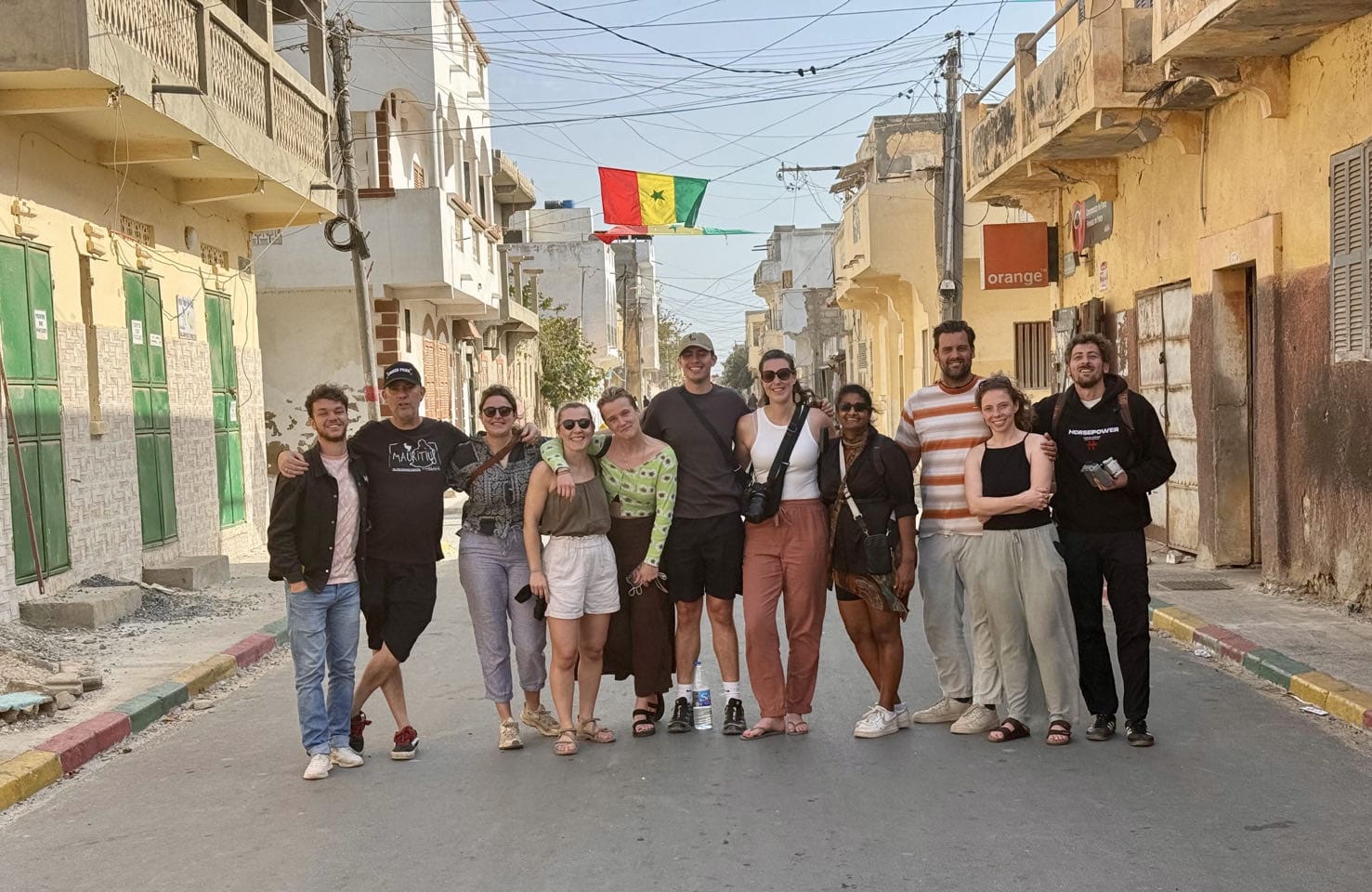
I found the group pretty quickly at the airport. A gray hoodie and blonde hair: that was the plan. One by one, the travel companions showed up, except for one who had left her passport at home (her dad had to rush to the airport at the last minute), and two others who had conveniently positioned themselves in the wrong terminal right before boarding. They all made it just in time. The adventure had officially begun, even before the plane had taken off.
Upon arrival at Dakar Airport, the two travel consultants from Charlie’s Travels were waiting for us. Red dirt roads, a setting sun, and the coast as our first destination. Beer, waves, new faces: a good start.
Saint-Louis: colonial splendor, time that stretches, and a TikTok star at the door
After a long day of driving—Senegal rolls by in fifty shades of yellow and dust—the group arrived in
Saint-Louis. A UNESCO World Heritage Site, a colonial hotel in the middle of the island, soft light over the water. That “this is why you travel” feeling quickly crept in, all the way to the beach.
The plan was simple: sunset by the sea, but reality turned out a bit differently. Trash, stray animals, dilapidated houses. A beach that felt like the back of the world. Residents seemed reserved, and it felt intrusive to walk through neighborhoods where people live. Not everything about travel is comfortable, and maybe it doesn’t have to be.
That evening, the group discovered that most places were closed because of Ramadan. Luckily, we found one bar. Sitting outside on a pleasantly warm summer evening, those ten strangers slowly became less strange. Conversations about politics, vaccines, life choices, and then: the YOLO shot. After explaining it explicitly four times (“Yes, just vodka.” “No, nothing else.” “Yes, really.”), we got vodka with salt and lime. Close enough.
Highlight of the evening: the bouncer who flexed his biceps every five minutes. Turns out he has 30,000 followers on TikTok, where he films himself with glitter effects while walking around.
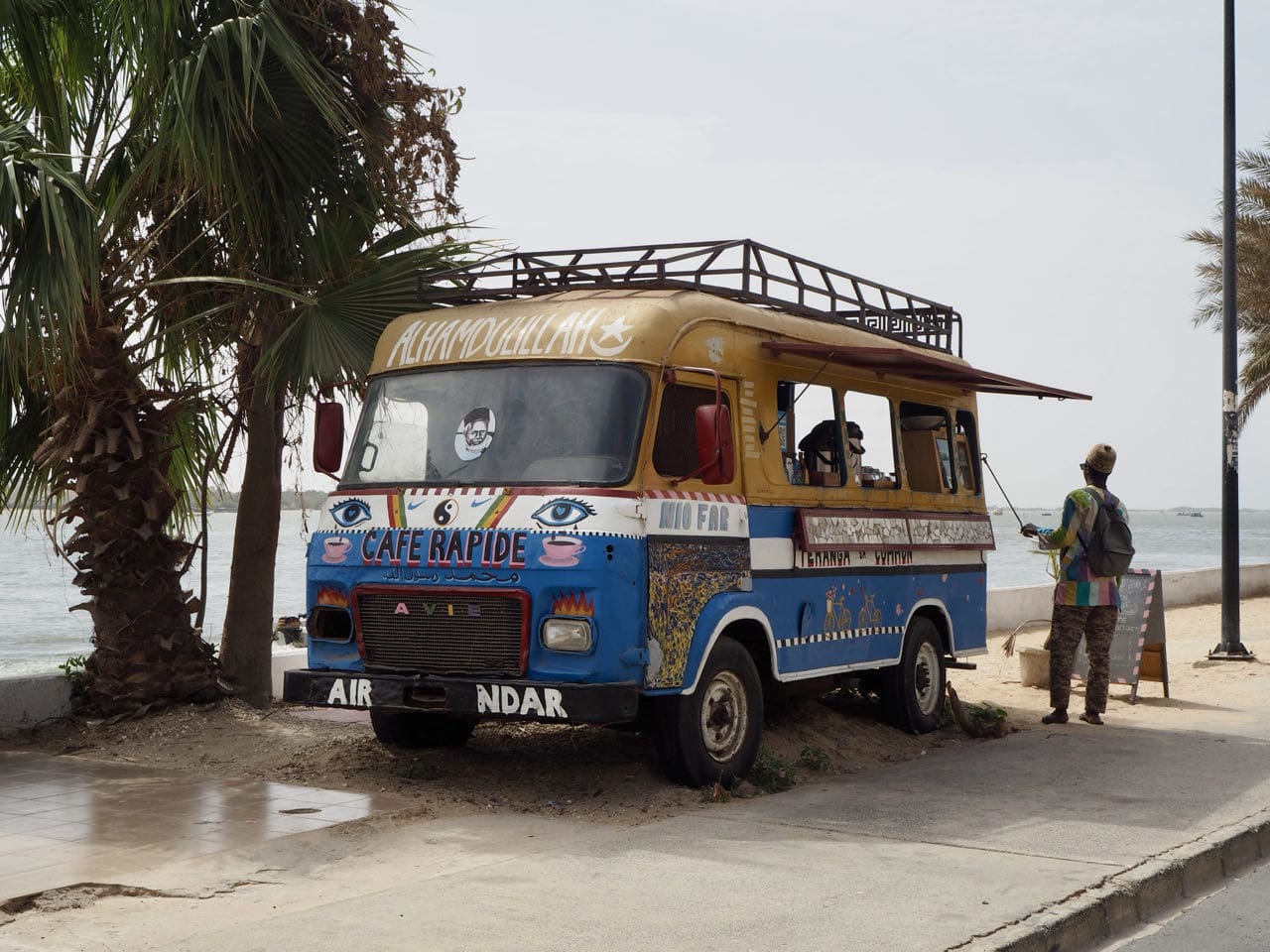
The next morning we visited the photography museum (charmingly cluttered), and in the afternoon we took a city tour with a guide who arrived 45 minutes late and proudly announced, “Time is elastic here.” Right in the middle of the tour, he just sat down.
Saint-Louis was once the capital of Senegal, and of all of French West Africa until 1902. The grandeur is still there, but it’s all a bit neglected. Even the Catholic church on the island has a tower built around it, because Islamic leaders didn’t want to hear the bells. The history here isn’t subtle, but layered, visible, and a bit complicated.
Saloum Delta: oysters, mangroves, and chaos at the border
Up early, back on the road heading south. A ten-hour drive, plenty of time to elevate window-gazing to an art form. Along the way, Matt joins us—an Australian who’s lived in Africa since 2000 and is guiding us through this lesser-known part of the route. Lunch at his guesthouse, cooked by his business partner’s wife: delicious Malian food.
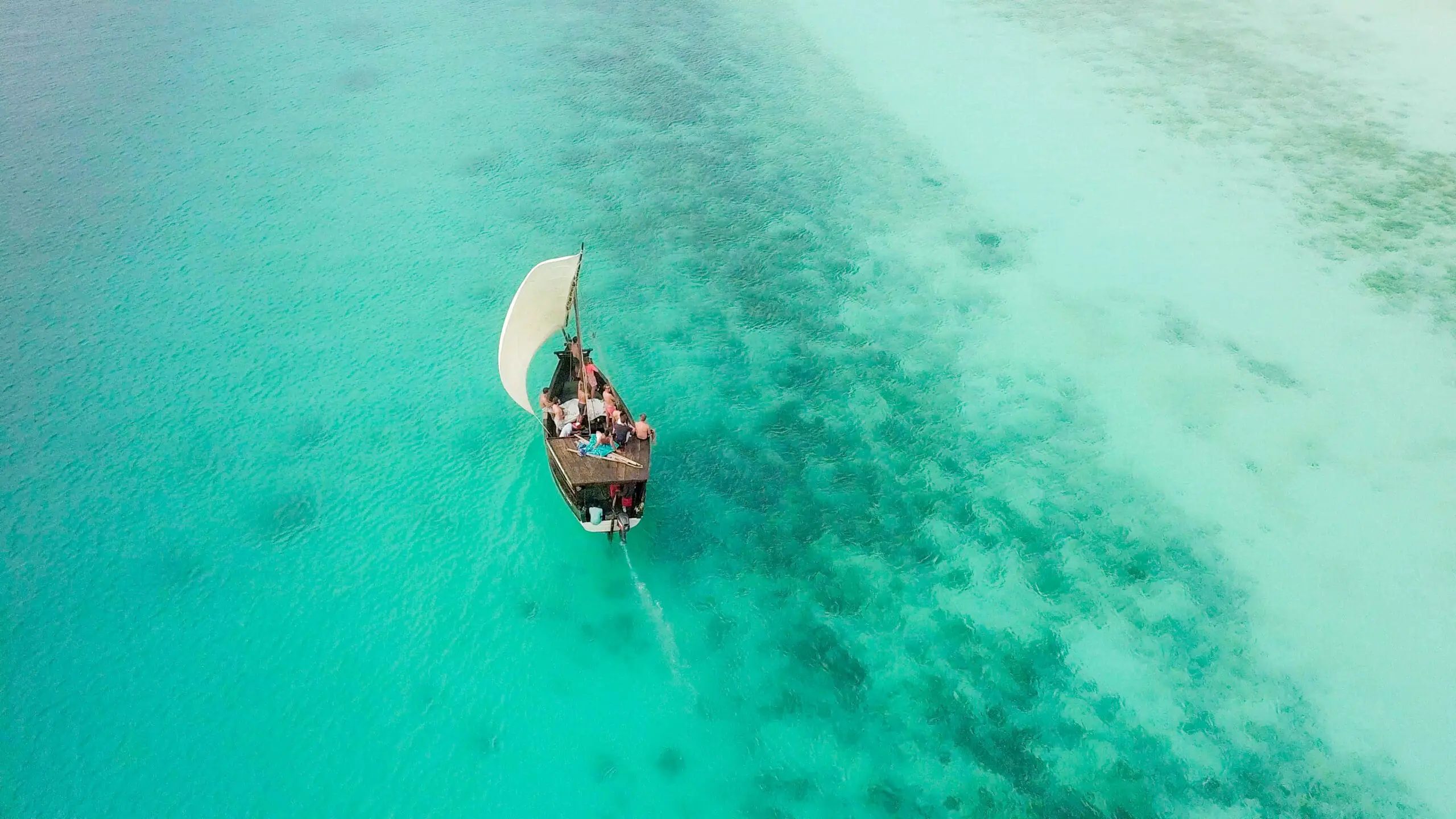
Eventually, we traded the bus for a small boat.
Wind in my hair, mangroves as far as the eye can see, hundreds of birds. The Saloum Delta covers some 180,000 hectares and consists of more than 200 islands. Not the worst place to be “stuck.”
The surprise of the day was discovering that mangrove oysters exist. Freshly harvested, we savored them while the boat drifted into the sunset.
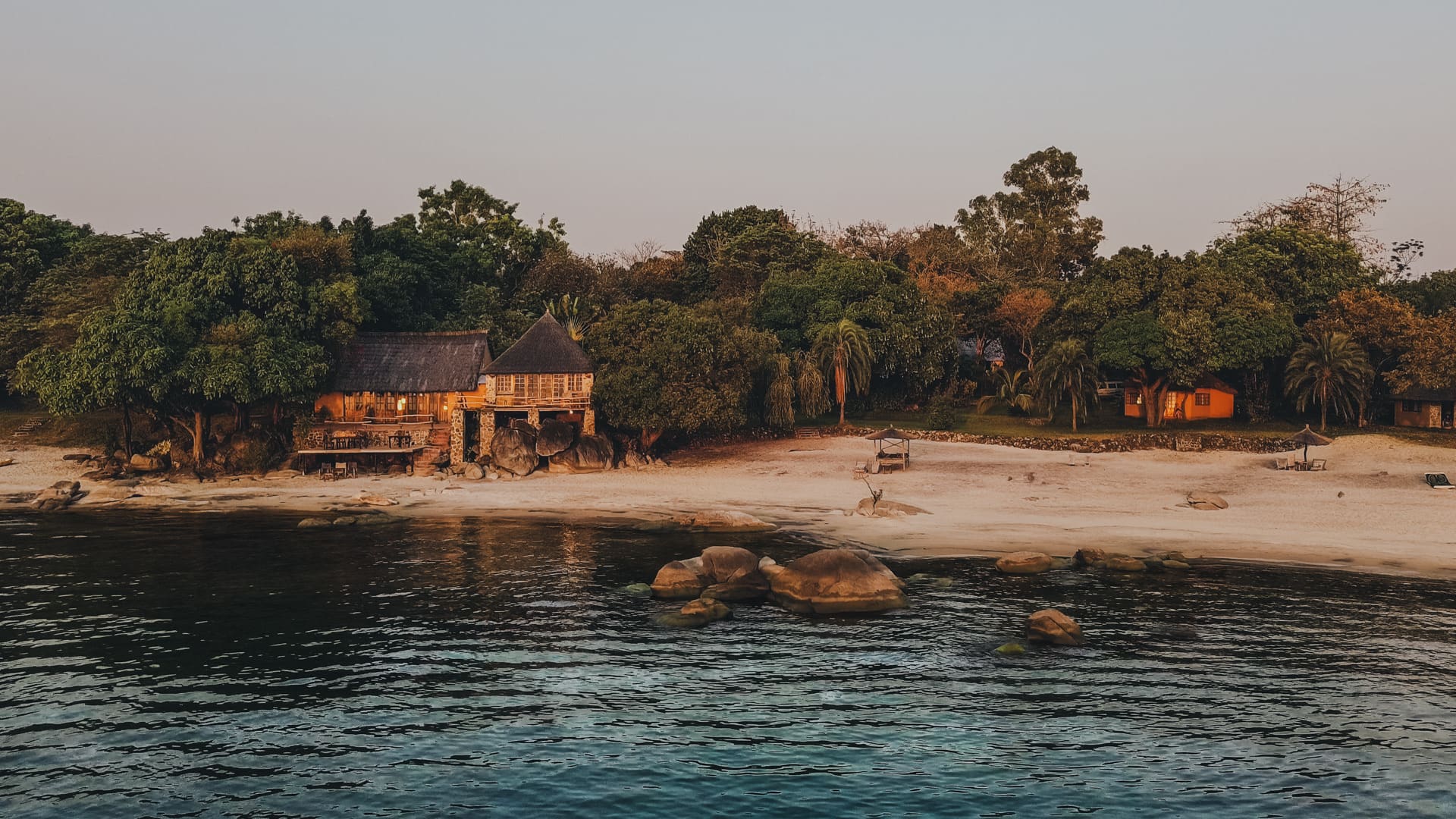
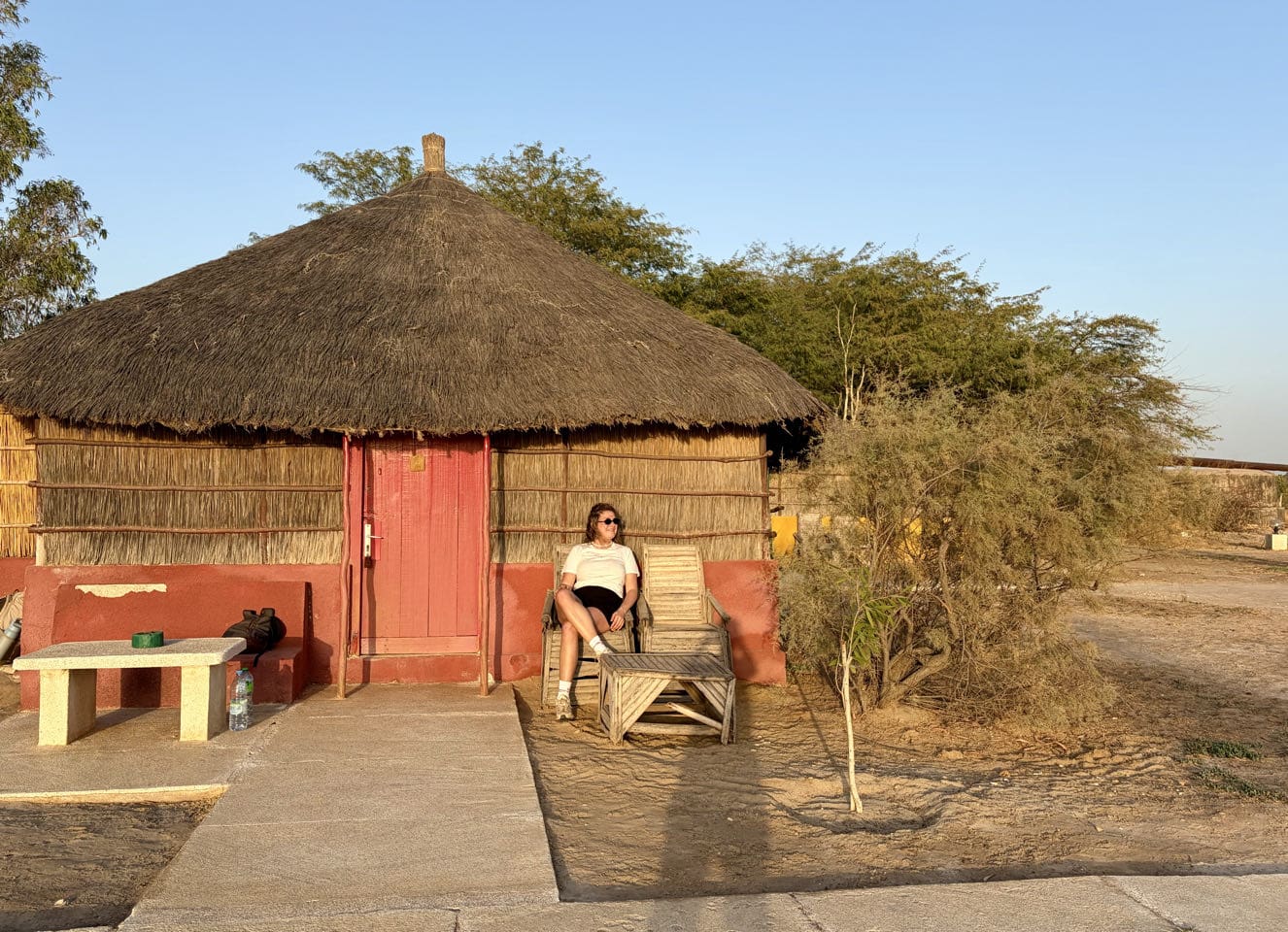
We spent the night on one of the islands, in a simple but charming lodge overlooking the water. Sunset with a Gazelle—the Senegalese beer brand—and that feeling of being in the middle of nowhere. The planned boat tour was canceled, so my roommate and I came up with an alternative: an early wake-up call, and kayaking at sunrise. Calm water, soft light, and pleasant temperatures. I could have stayed here longer.
But the next morning, it was time to drive on, to Gambia.
We arrived at the border quickly, and the crossing itself went surprisingly smoothly. The ferry, on the other hand, we had just missed. New plan: cross in small boats; the bus would follow later. What followed can best be described as organized chaos. In a small bar (Mandy’s Bar), we were first approached from all sides. Inside, it was a mix of drunk and stoned local patrons, loud opinions, and an energy that could go in any direction.
And that’s exactly what happened.
A dispute over who was allowed to serve us quickly escalated. At one point, my Sprite, which was just about to be handed to me, was dramatically knocked out of someone’s hand, just like in a cheap action movie. One blow turned into two, and suddenly there was a huge commotion.
The group made a quick retreat toward the boats, where the chaos was already in full swing. No order, lots of people, and little boats that seemed to be floating on optimism and a few planks. And then: to get on board without getting wet, you’re carried on someone’s shoulders. I hesitated for a moment, but in the end, it’s their job, their livelihood, so I went along with it. A little less dignity, but dry shoes.
On the other side, we squeezed into a taxi, and suddenly we were at a beach resort that felt like another world. Palm trees, soft sand, paradise. After all the chaos, we each got our own rooms here. Well deserved, if you ask me.
Gambia: Louis Vuitton tuk-tuks and a fashion contest for the ages
A week into the trip, and we’re already in another country. On the map, Gambia is literally a narrow strip squeezed into Senegal, a legacy of colonial borders. The British controlled the river; the French took the rest. The result: an English-speaking population, and visible relief among the group.
After a quick dip in the pool, we head to the market in Serrekunda. Transportation? A fleet of tuk-tuks, each interior crazier than the last. Ours had a full Louis Vuitton interior.
At the market: a cup of Café Touba, a local coffee with Guinean pepper. Spicy, bitter, smoky, maybe a hint of nutmeg. It’s not immediately clear what to make of it, but it grows on you.
Then it was time for the challenge. Working in teams with a fixed budget, the group had to put together the best-dressed person using items from the local market. Judge: driver Diop. He’s got that “Who is the Mole?” energy, but in West Africa.
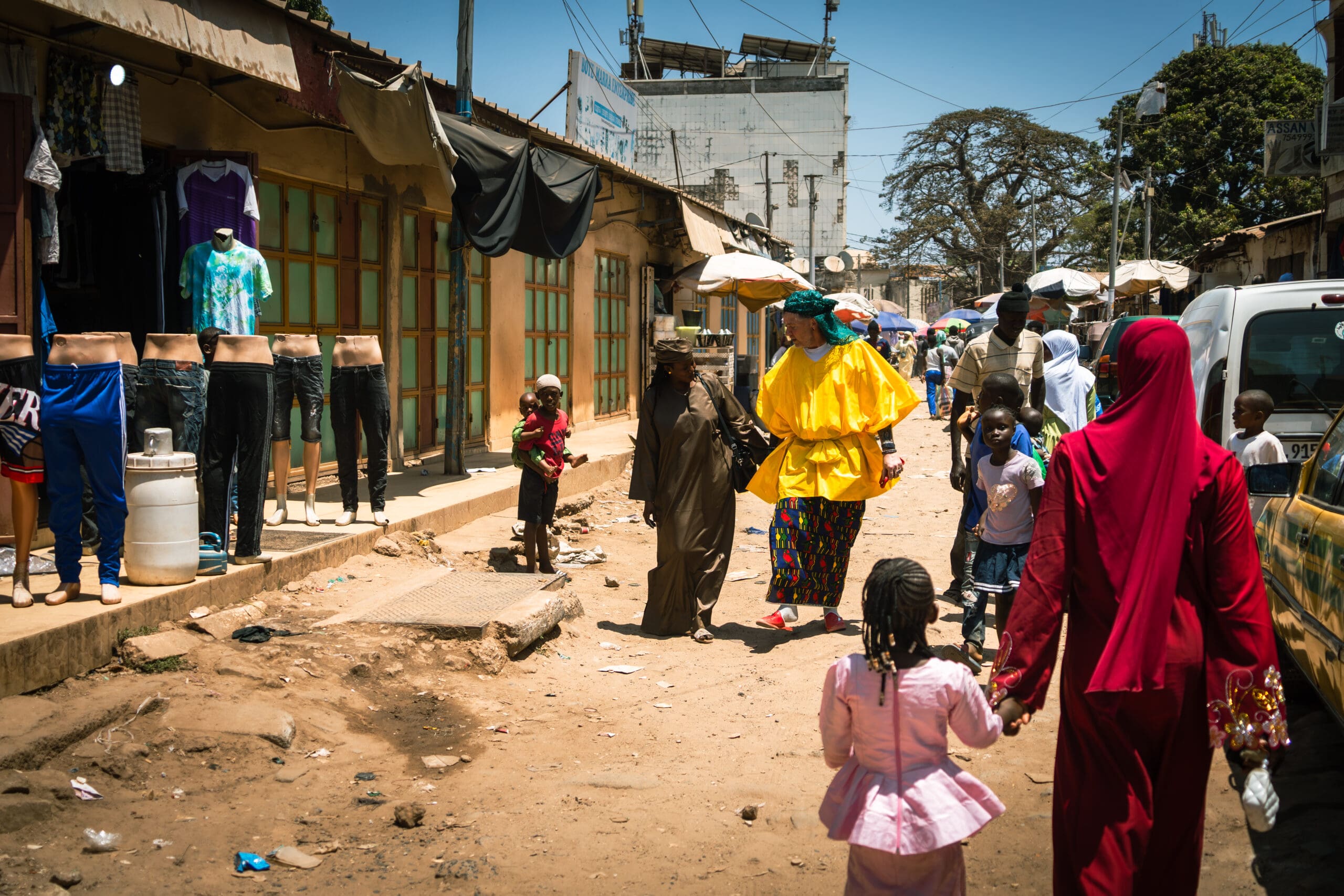
Mark, the only man on our team, immediately volunteered and suggested dressing as a woman. The decision was made in a flash! Chaotic shopping, haggling, and making creative choices. In a fabric tent, the owners helped put the whole outfit together: a skirt, a top that was probably once a tablecloth, a glittery headscarf, a fake red Chanel bag, and red Hugo Boss flip-flops.
What a look.
The real highlight: they walked him back through the market all dressed up, even though the fashion show wasn’t until that evening. Men laughing, women screaming, people stopping to stare. In a predominantly Muslim environment, the reactions were surprisingly positive. Younger boys looked mostly confused. That seemed reasonable.
Gunjur: the end of the bar and a night under the stars
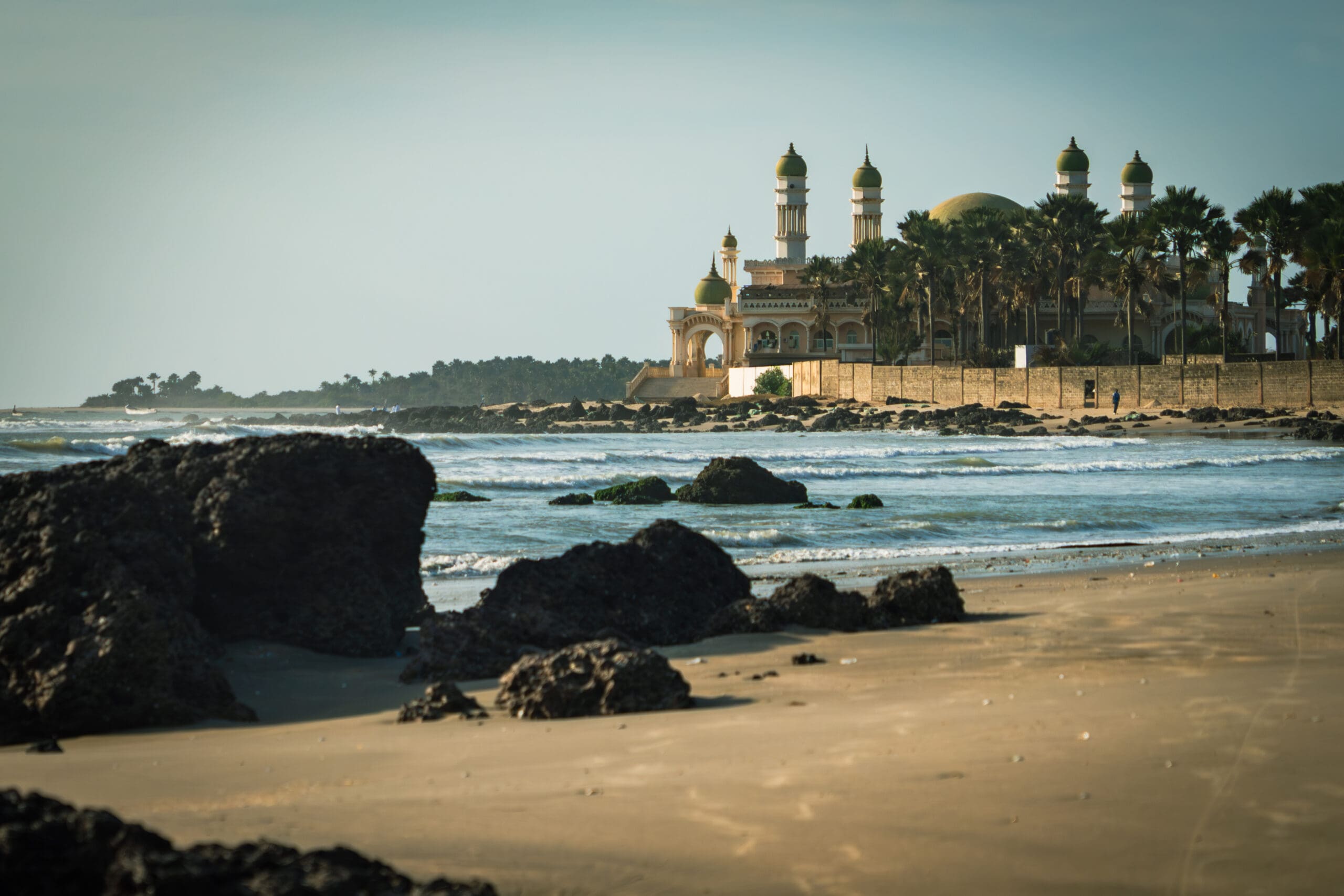
After the chaos at the market, it was time for the opposite: lunch, beach, beer, sunset. Peace and quiet, with a view of a beautiful mosque on the beach.
Dinner was enlivened by a local musician who improvised songs on the spot using the guests’ names. Everyone enjoyed it. But the real highlight, the fashion show, was yet to come.
When Mark walked in dressed in full Gambian regalia, the staff completely lost it.
The evening kept building. Dancing, laughing, and playing 30 Seconds around the campfire. Great fun for everyone, though the Belgians were a bit less familiar with Dutch pop culture. At some point, shots appeared. Though “shot” might not have been the right word for what we were served in long drink glasses. We literally drank the bar dry.
The night ended on the beach, with three stragglers singing—or something that strongly resembled singing—under the stars.
What a day.
Abene and Guinea-Bissau: Senegalese cooking and djembe lessons and a day trip to yet another new country
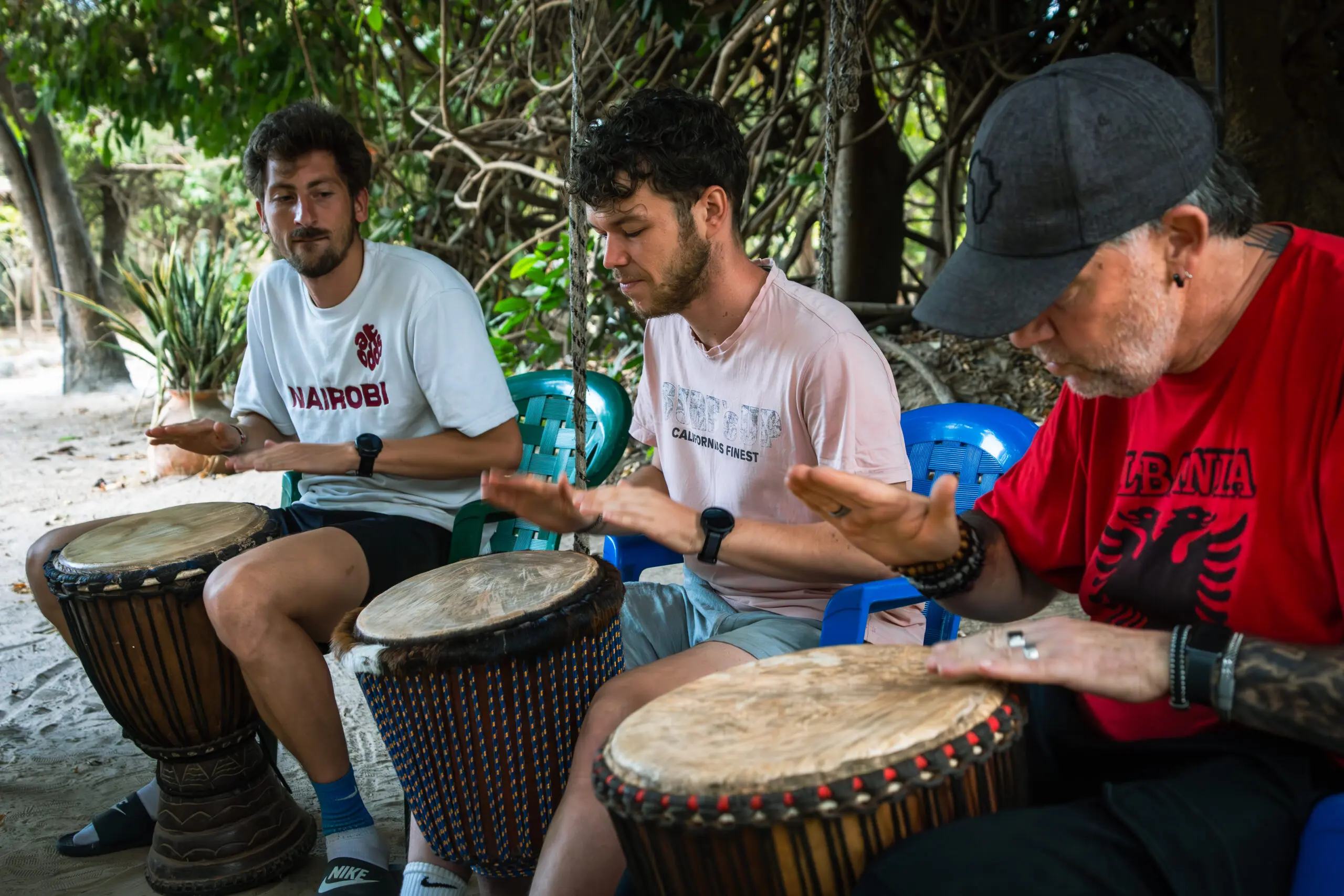
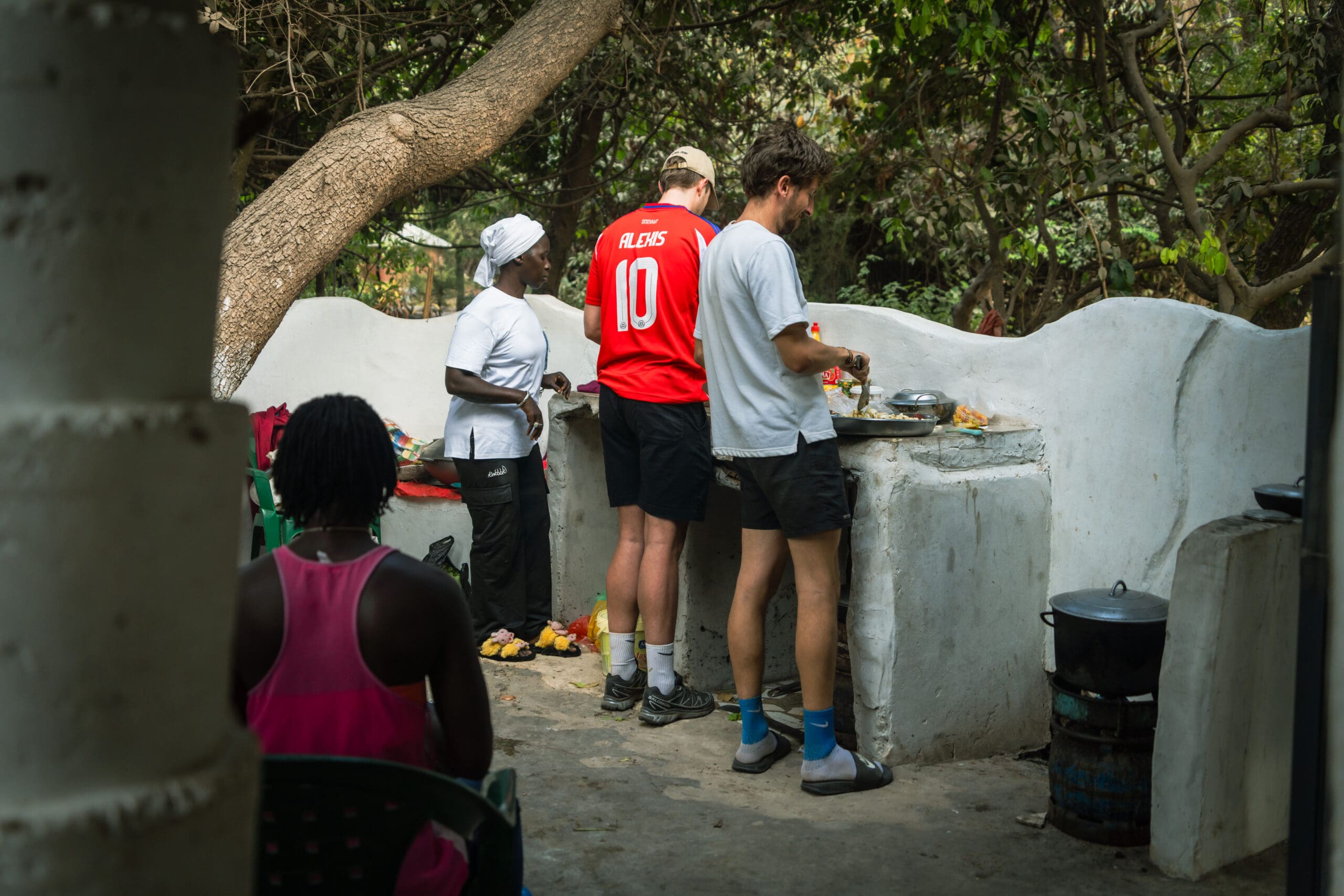
Back in Senegal, we headed to Abene, a charming little village not far from the Gambian border, where we visited Khady. This amazing woman runs her own guesthouse, where we were welcomed for a Senegalese cooking class for the whole group, and in between, we also got a crash course in playing the djembe. Did everyone sound equally good? Maybe not, but everyone had a blast.
Sitting still for long wasn’t an option this time either, because we headed across the border again for a day trip to a new country: Guinea-Bissau—small, rarely visited, but definitely worth the trip. On the agenda: a cultural activity. What exactly did that entail? A live dance and music performance for the group, with half the village joining in to enjoy the spectacle. Drummers, dancers, colors, varied outfits, and a rhythm you feel before you hear it.
Casamance: trees, waves, and a night no one had planned
After all our adventures, we ventured deeper into
Senegal’s Casamance region. This is the green, quieter part of Senegal that is forgotten by many and visited by few. Exactly the reason to go there.
We spent our first evening on Île d'Egueye, a tiny island where it feels as though the world moves just a little slower. No bustling market, just water, palm trees, and good company. The kind of evening you don’t plan but will always remember.
The next day: a climb to a platform high up in the trees near the island. The view was a sea of green, with the delta below and silence above. Just standing there and enjoying the view, high up in the tree.
After that, we stayed two nights in Cap Skirring, a quiet seaside town on the Atlantic coast with endless beaches. During the day: beach, sea, unwinding. In the evening: out and about with the whole group. After weeks of traveling together, everyone knew by now what the others liked, who was the first to dance, and who was the last to go to bed. Cap Skirring gave us the space to really celebrate: good food, local bars, and the energy of a group that knows the end of the trip is in sight.
Dakar: history of slavery, markets, and exploring on foot
For the last two days, we took a night ferry to the
capital, Dakar. The ferry departed from Ziguinchor in the afternoon, and for the first three hours, we were accompanied by dolphins jumping up and down around the boat. After that, we headed out into the Atlantic Ocean, and it was time to sleep, so we could wake up early in the morning in Dakar.
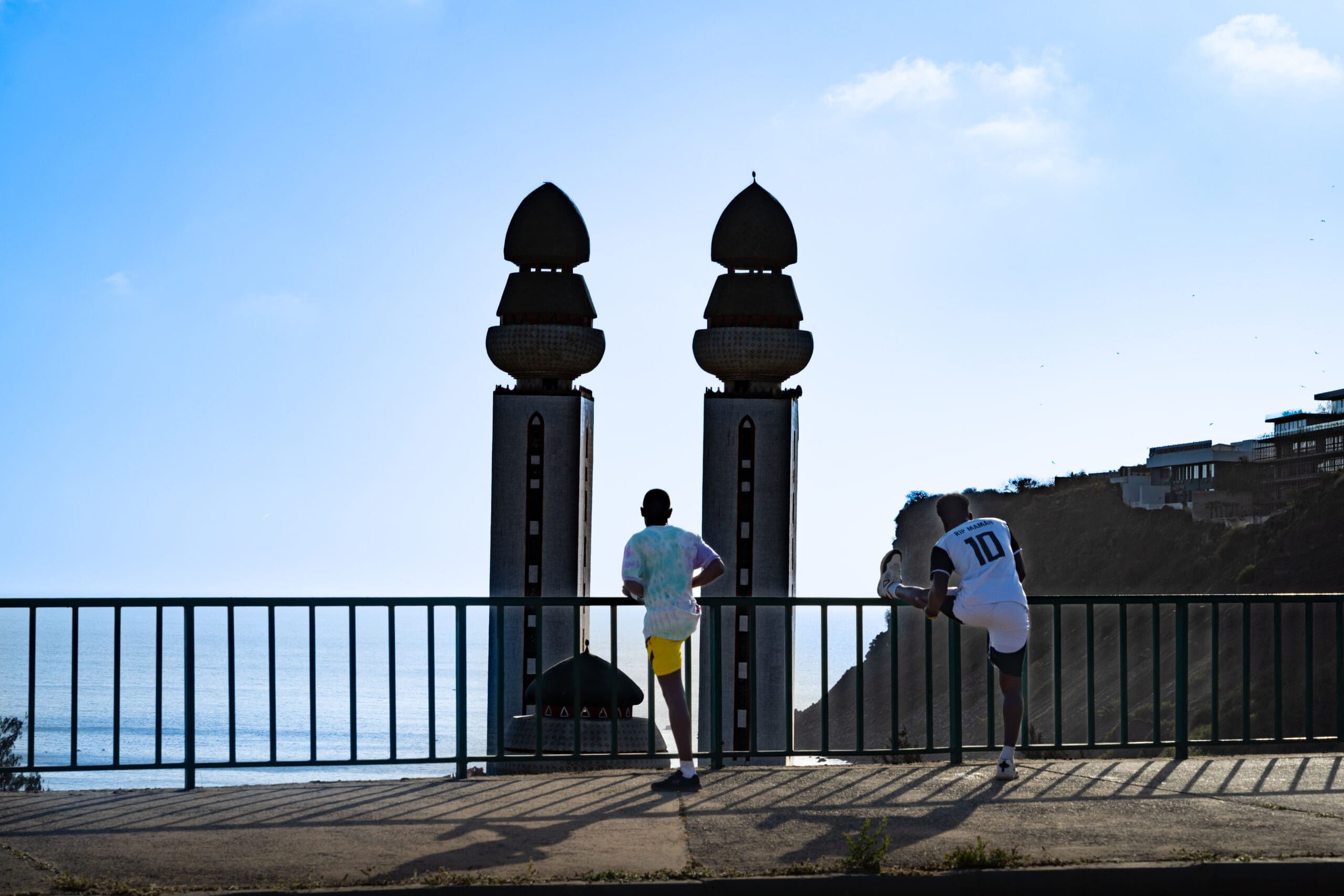
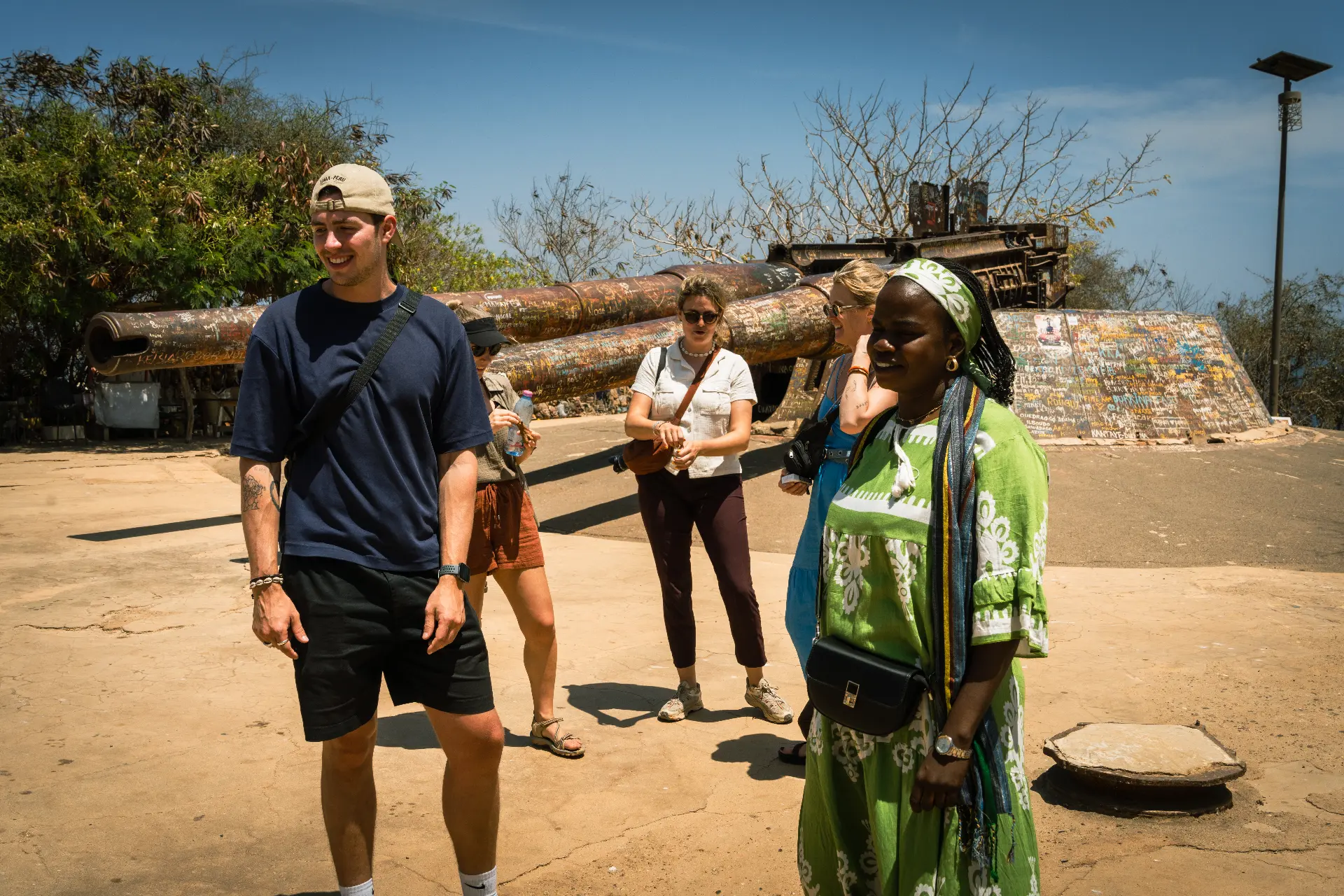
On day one, we headed straight to Île de Gorée, the small island off the coast that served for years as a transit port in the transatlantic slave trade. A place that’s very lively today, but has a deeply dark past. The Maison des Esclaves, the colorful yet quiet streets, the realization of what happened here—it hits you differently when you see it with your own eyes.
Day two had a lighter tone. We explored the colorful, bustling markets of Dakar during a city tour we did on foot. This quickly proved to be the best way to understand Dakar: chaotic and vibrant, but with its own rhythm that you start to follow after a while. To wrap things up, we visited the Renaissance Museum, where we got a glimpse of the art and culture of the country that had made such an impression on us over the past two weeks.
Afterward, we headed to the airport, bringing a fantastic two-week trip to a close.