




Victoria Falls
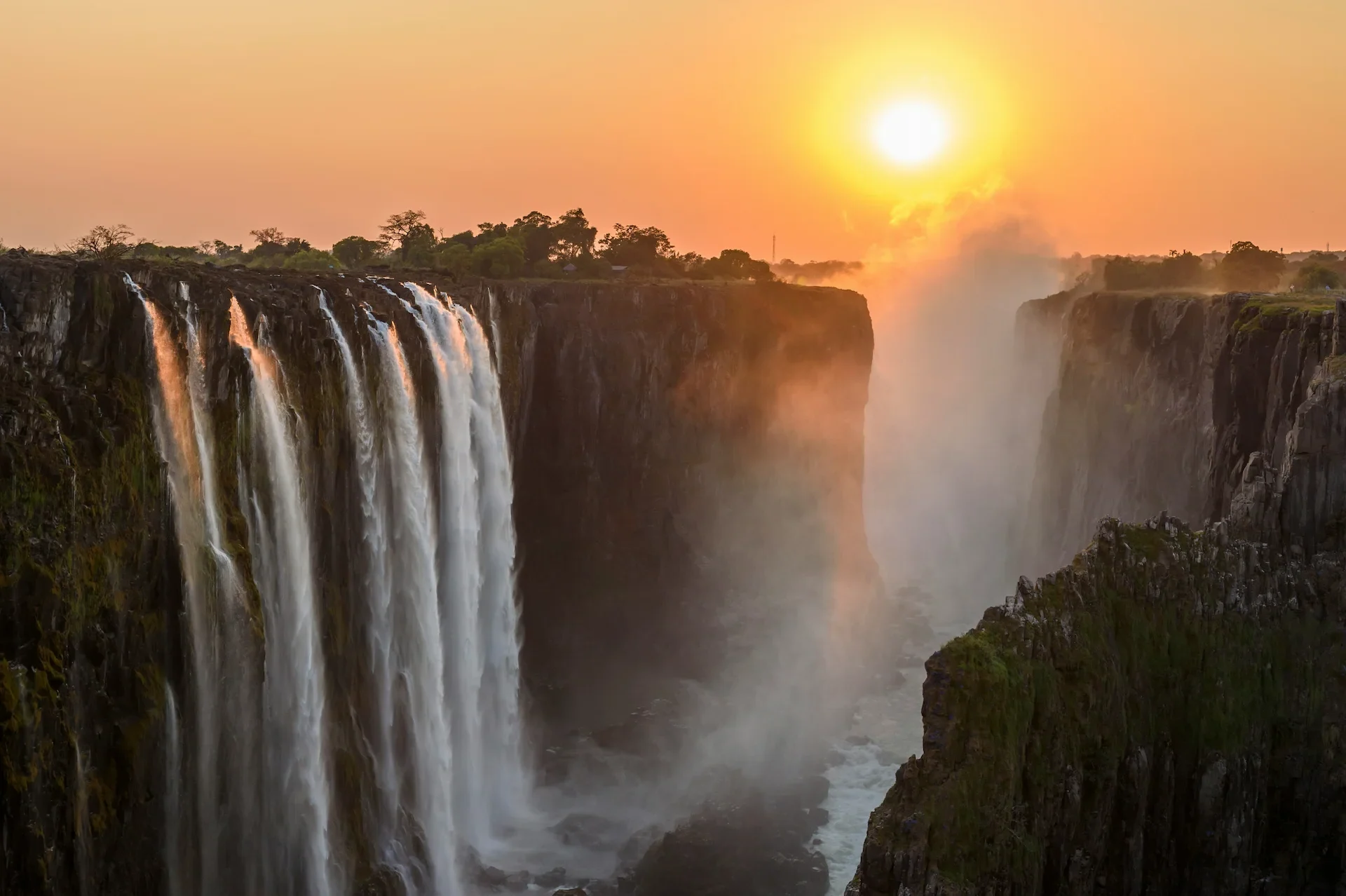
On the border of Zimbabwe and Zambia lie Africa’s widest waterfalls: a curtain of water over 1,700 metres wide and 100 metres high. Wow, how cool is that! You can visit this world wonder from Zambia and from Zimbabwe. What is the best side?
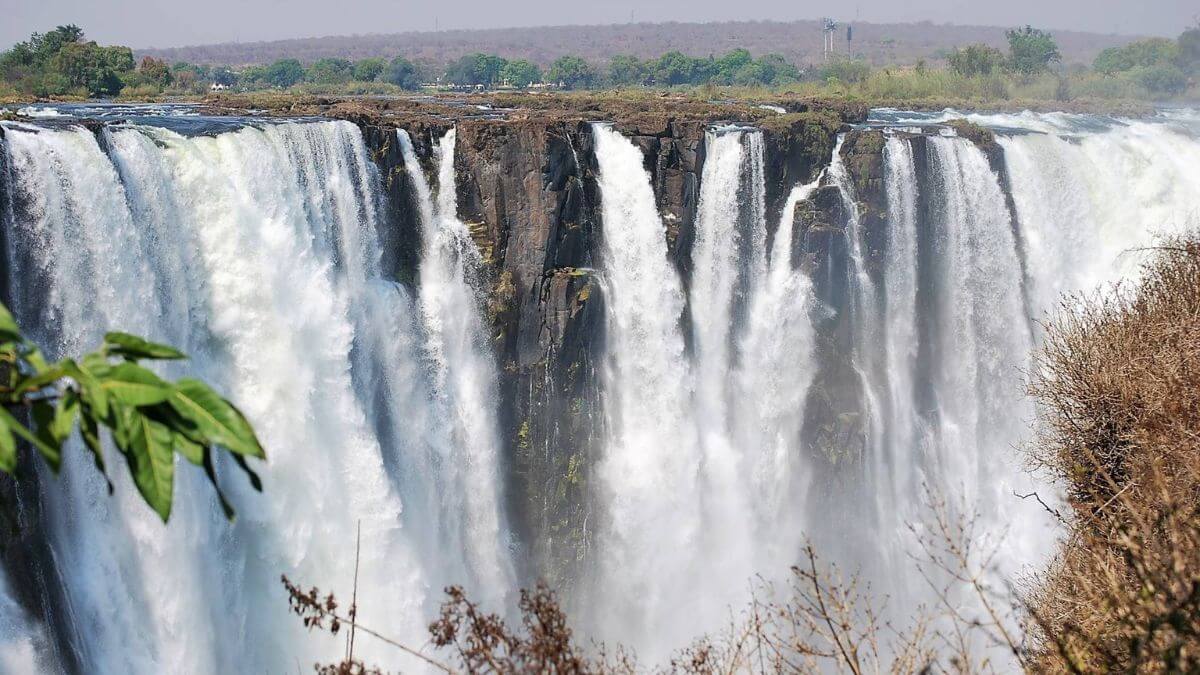
This is Mosi-oa-Tunya: The Smoke That Thunders.
When you actually start planning a trip here, the romanticism quickly hits a bureaucratic wall. You have to make a choice. Do you stay on the Zambian side in Livingstone, or do you head to the Zimbabwean side in Victoria Falls Town?
Ask ten different travel agencies and you’ll get ten generic, polished answers about how "both sides are magical." We don’t do corporate fluff here. Our travel experts live and work in East and Southern Africa, and we’ve crossed this border more times than we can count on our fingers.
Here is the raw, honest truth about Zambia vs. Zimbabwe, so you can decide which side actually fits your travel style.
Activities in Victoria Falls
These are the unforgettable experiences that await you
What’s the Real Difference?
To understand the difference, you need a quick geography lesson. The Zambezi River acts as the natural border between Zambia and Zimbabwe. Right in the middle of its path, the river falls off a massive cliff, creating Victoria Falls.
- Zimbabwe owns about 75% of the waterfall's width. This means the classic, panoramic, postcard views of the water dropping into the gorge are almost entirely viewed from the Zimbabwean side.
- Zambia owns the remaining 25%, but what it lacks in panoramic views, it makes up for in raw, close-up access. This is where you can stand right on the lip of the falls or walk across the shaking Knife Edge Bridge.
The two towns that serve as bases for the falls are also completely different beasts. Victoria Falls Town (Zimbabwe) is a bustling, compact tourist hub built right next to the park entrance. You can walk from your hotel to the falls, but you will also share the streets with safari-goers, souvenir sellers, and craft markets.
Livingstone (Zambia) is a real, spread-out Zambian city with a rich colonial history, located about ten kilometers from the park entrance. It feels less like a tourist resort and more like an authentic slice of local life, where you’ll share the pavement with local commuters and school kids rather than just other travelers.

The Secret Weapon: The KAZA Univisa
Here is a bit of local insider knowledge: you don’t necessarily have to choose just one side.
If you are a citizen of an eligible country, you can purchase a KAZA Univisa for $50 USD upon arrival at the airports in Harare, Victoria Falls, Lusaka, or Livingstone. This brilliant little stamp allows you to travel freely between Zimbabwe and Zambia as many times as you like for up to 30 days.
If you have two days to spare, we highly recommend getting the Univisa. You can spend one morning walking the panoramic trails of the Zimbabwean park, and then take a local taxi to the historic Victoria Falls Bridge, walk across the border line on foot, and explore the wilder, wetter trails of the Zambian side in the afternoon.
Wildlife in and around the Zambezi River
The Zambezi River itself is perfect for drifting along as the sun slowly sets towards the horizon. The river forms the boundary between Zambia and Zimbabwe from the Victoria Falls. Groups of hippos grunt loudly to mark their territory, while hungry crocodiles lie in wait for a careless evening meal that can be easily snatched. Along the banks, a group of elephants occasionally strolls towards the water to quench their thirst, and birds glide peacefully overhead.
Zimbabwe
The Pros of the Zimbabwean Side:
- The views: Simply unmatched. You get the classic, wide-angle look at the Main Falls, Horseshoe Falls, and Rainbow Falls.
- Year-round water: Even during the peak of the dry season (October to December), when other parts of the falls dry up, the Zimbabwean side still has water flowing.
- Proximity: You can easily walk to the park entrance from most guesthouses and lodges in Victoria Falls Town.
The Cons of the Zimbabwean Side:
- The price: The national park entry fee is $50 USD for international visitors, which is significantly higher than Zambia's fee.
- The crowd: It can feel highly commercialized. You are rarely alone on the rainforest paths.
If your main goal is to stand back and witness the sheer, overwhelming scale of the waterfall, Zimbabwe is where you want to go.
Because most of the canyon lies directly opposite the Zimbabwean shore, the national park here features a 1.2-kilometer walking path with 16 distinct viewpoints. You start at the statue of David Livingstone and wind your way through a lush rainforest kept alive by the constant spray.
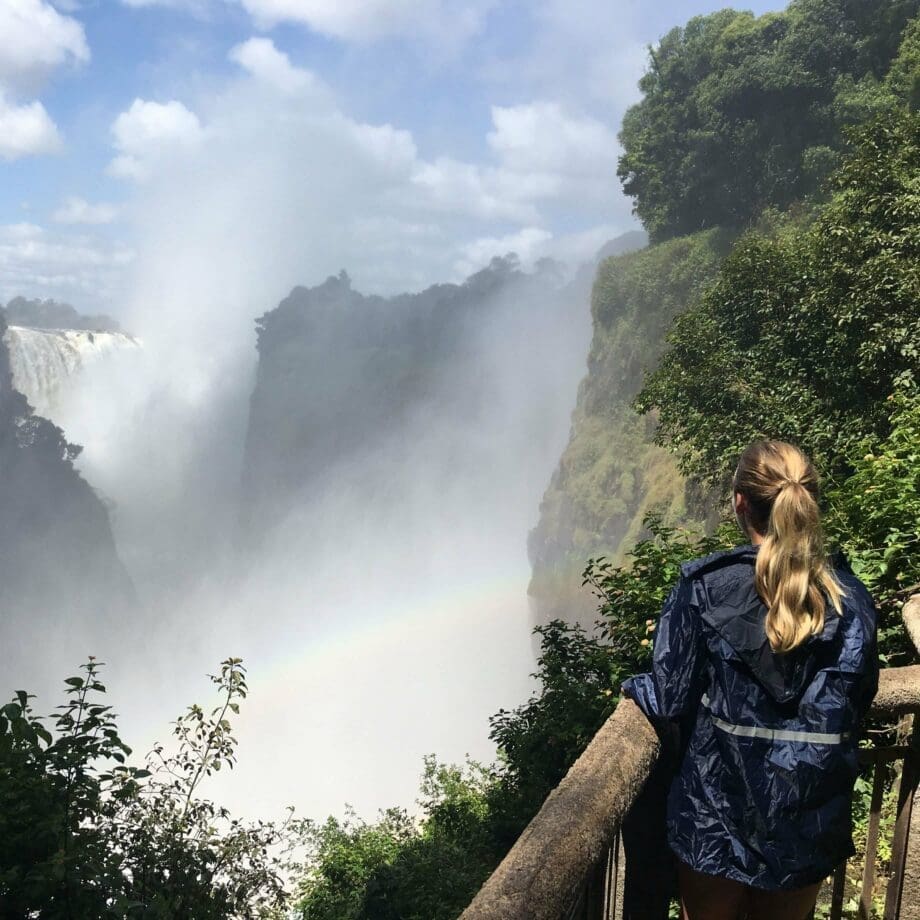
Our local guide, Moses, who grew up just a few kilometers outside Victoria Falls Town, always advises travelers to pack a proper dry bag for their camera here. "People think because they are on the opposite side of the gorge they won't get wet," Moses laughs. "But during the high water season between March and May, the spray is so thick it feels like a heavy tropical storm. You will be dripping wet within five minutes."

Zambia
The Pros of the Zambian Side:
- Raw adventure: You can walk down the trail to the Boiling Pot, a deep whirlpool at the base of the falls, or swim in the Devil's Pool.
- Cheaper entry: The park entry fee is only $20 USD, making it much friendlier on the wallet.
- Livingstone town: A livelier, more authentic town filled with local markets, historical museums, and a more relaxed atmosphere.
The Cons of the Zambian Side:
- The dry season dry-out: This is a crucial warning. From October to early December, the Zambian side of the falls can dry up completely, leaving you looking at nothing but a bare, dry rock wall. If you travel during these months, Zambia can be a massive disappointment.
Zambia is for the travelers who don’t just want to look at the water, they want to feel its force.
When you enter the Mosi-oa-Tunya National Park on the Zambian side, the paths bring you right to the edge of the drop. The highlight here is the Knife Edge Bridge, a narrow footbridge suspended directly in front of a massive sheet of falling water. Crossing it is an absolute rush; you are completely enveloped in roaring noise and blinding white spray.
Another major draw on the Zambian side is Livingstone Island and the famous Devil’s Pool. This is a natural rock pool located right at the very edge of the falls. During the drier months, when the river flow drops to a safe level, you can swim right to the lip of the abyss and look down over a hundred meters into the canyon below.
Frequently Asked Questions
Is it safe to visit Victoria Falls?
Yes, both Victoria Falls Town (Zimbabwe) and Livingstone (Zambia) are exceptionally safe, peaceful tourist destinations with very low crime rates.
Which airport should I fly into?
You can fly directly into Victoria Falls International Airport (VFA) in Zimbabwe or Harry Mwanga Nkumbula International Airport (LVI) in Livingstone, Zambia. Both have regular connections to Johannesburg and East African hubs.
Can I see Victoria Falls without a guide?
Absolutely. The national parks on both sides are highly secure, well-marked, and easy to navigate on your own. However, joining our local guides like Sitali, Mundia, and Simo supports the local community and gives you access to real, raw stories.
When is the absolute best time to visit?
High-water season is from March to May (maximum roar and spray). Low-water season is from October to December (best for swimming in Devil's Pool, but the Zambian side will be dry).
Do I need malaria pills for Victoria Falls?
Yes, Victoria Falls is located in a high-risk malaria zone. We highly advise consulting your travel doctor about taking malaria prophylactics and packing plenty of mosquito repellent.
Ready to plan your Zambia tour?
Our team of travel experts lives and works on the continent, building direct, personal routes that bypass the generic travel agencies.
Let's discuss how we can get you off the beaten path and into the heart of the real Zambia.
Discover more in Zambia
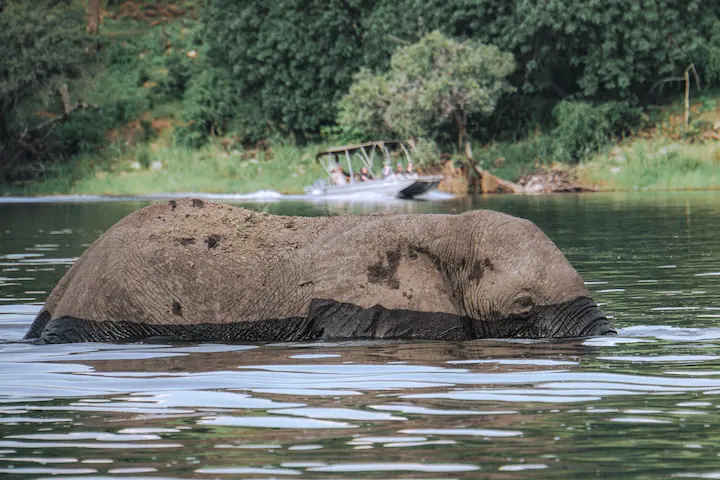
Lower Zambezi & Zambezi River
Discover Victoria Falls and Livingstone in Zambia. Camp under the stars in the Batoka Gorge, take a mokoro trip or…
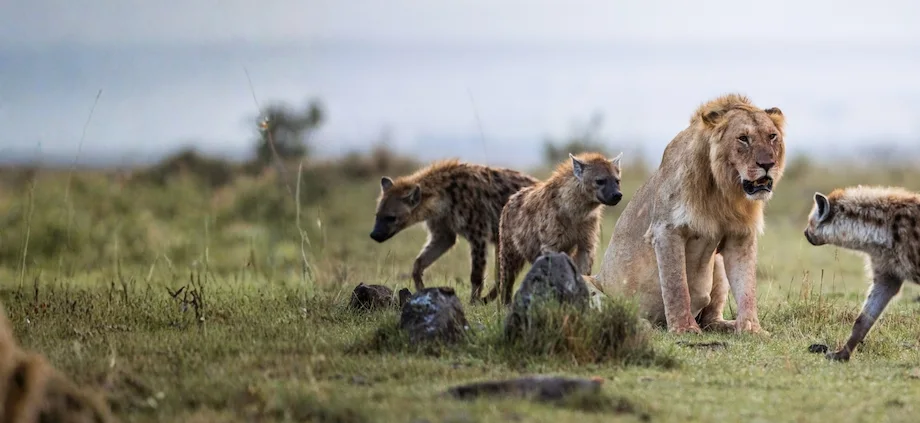
Western Zambia & Liuwa Plains
Discover Liuwa Plains, Africa's hidden wildebeest migration, pristine wild dog territories, and the legendary story of Lady Liuwa on an…
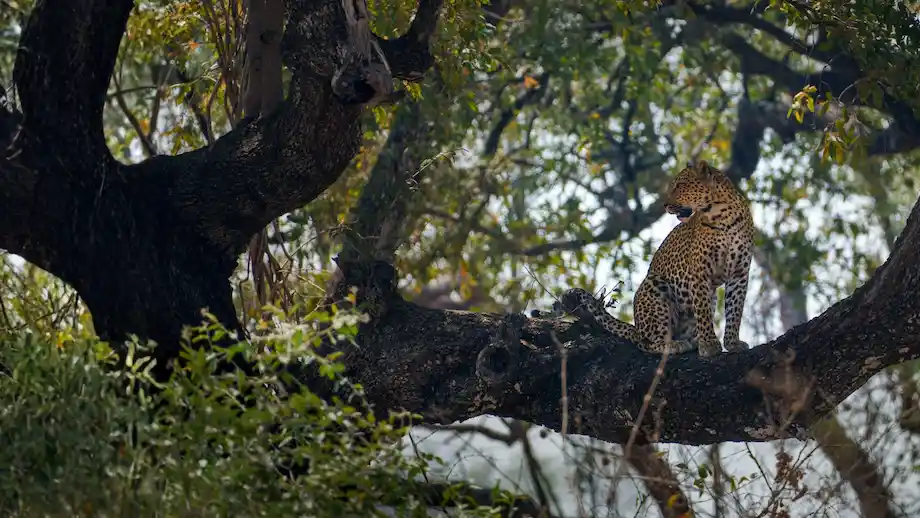
South Luangwa & Luangwa Valley
Explore South Luangwa’s riverbanks on foot alongside local partners who know the leopard's tracks by heart. No crowds, just raw…

Need travel advice? Ask our Africa experts
Hungry for the unknown? Our Africa experts have answers to your pressing questions.