South Luangwa & Luangwa Valley
Walk the wild paths of South Luangwa and experience Africa’s rawest wildlife valley alongside our local partners.
Step Into the Birthplace of the Walking Safari
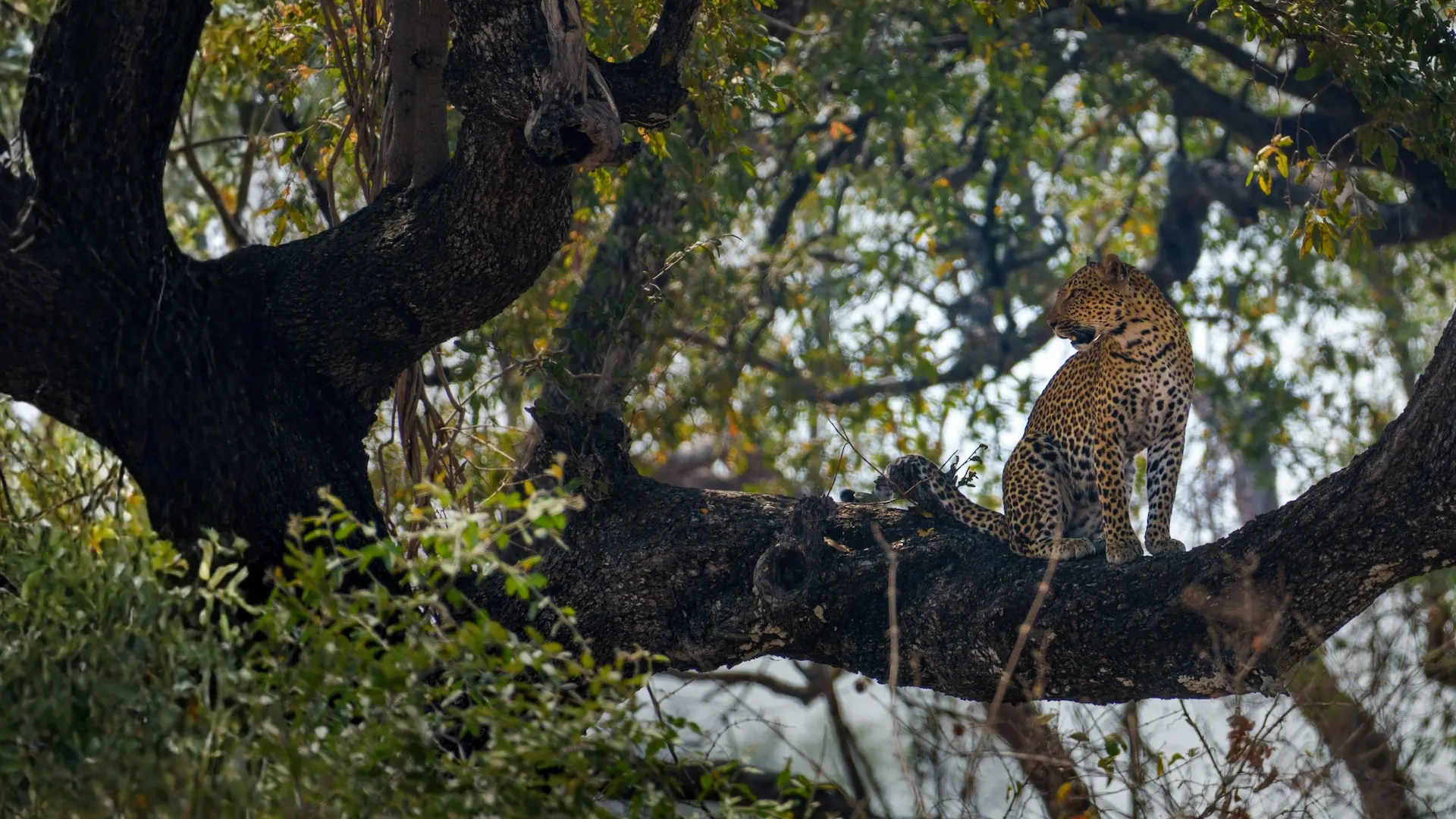
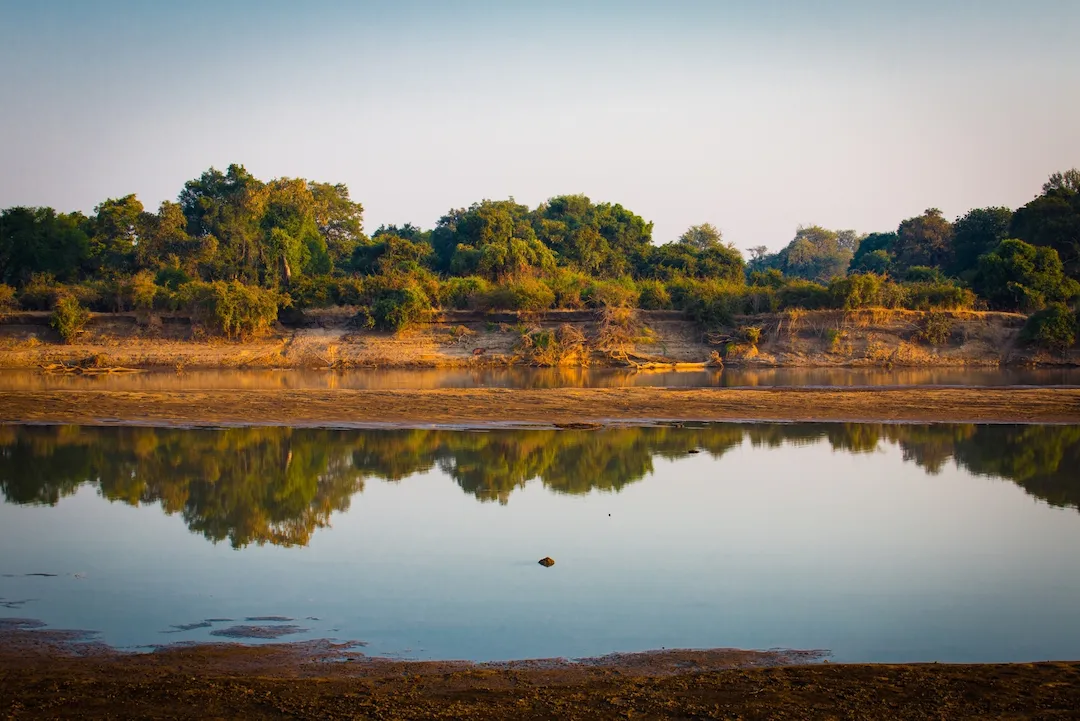
South Luangwa is the birthplace of the walking safari, a wild valley where the meandering Luangwa River dictates the rhythm of daily life. Here, the bush remains raw, fenceless, and packed with wildlife. During the dry season, the dust settles over oxbow lagoons crowded with hundreds of snorting hippos, while leopards slip silently through the ebony forests. It is an honest wilderness that does not need to oversell itself.
Together with our local partners who live and breathe this valley, you will step off the safari vehicle to experience the sights, smells, and sounds of the real Zambian bush.
Activities in South Luangwa & Luangwa Valley
Step away from the crowds and dive into the wild beating heart of one of Africa’s greatest wildlife valleys.
The Legendary Walking Safari
On foot, the African bush changes completely. Together with one of our local partners, who has spent decades exploring these riverbanks, you will head out at dawn. There are no engines here, only the crunch of dry grass beneath your boots and the distant warning call of a baboon.
Your partner will show you how to read the riverbeds, identifying fresh leopard tracks in the sand and explaining how insects keep this wild valley alive. You will walk slowly, stopping in the shade of leadwood trees to listen to the birds and feel the morning wind shift across the plains.
Night Game Drives in the Valley of the Leopard
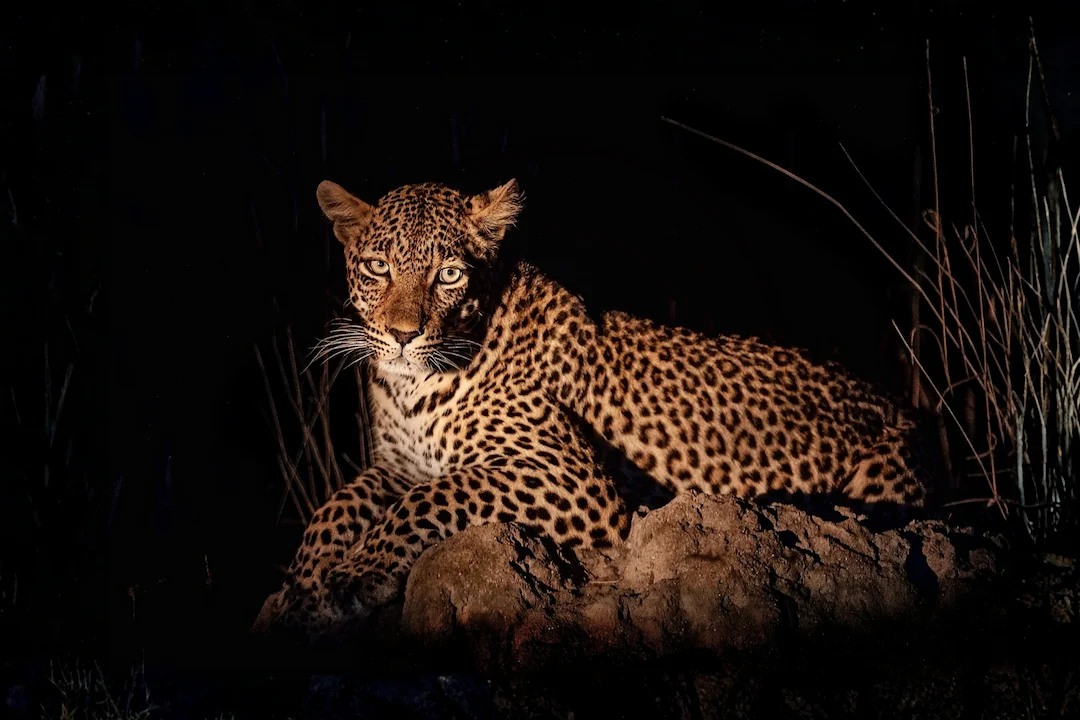
As dusk falls, South Luangwa transforms into a completely different world. Alongside a local partner who knows this landscape like the back of their hand, you will set off on a night drive. Using a handheld spotlight, the local guide will scan the darkness for glowing eyes.
This is the capital of the leopard, and watching these silent predators hunt in the cool night air is a masterclass in stealth. You will hear the screech of owls, watch bushbabies leap through the branches, and feel the sudden drop in temperature as the African night takes over.
Emerald Season Boating Safaris
If you travel between January and April, the valley transforms into a breathtaking water world. The Luangwa River overflows its banks, opening up remote, hidden waterways accessible only by boat.
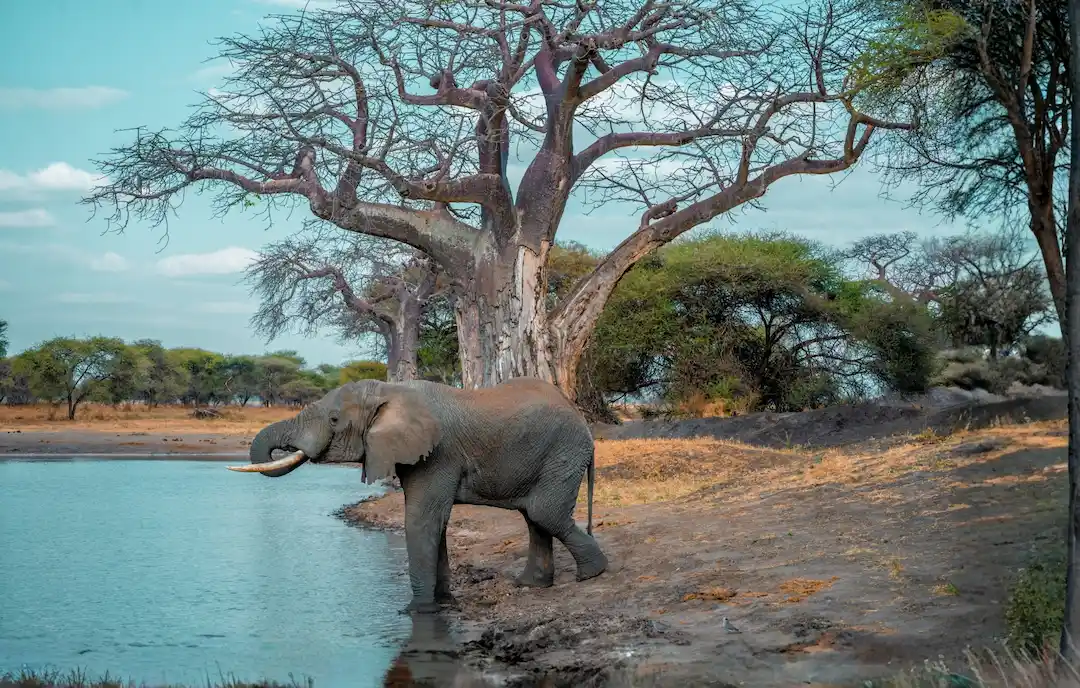
You’ll glide quietly through flooded ebony forests where yellow-billed storks build busy nesting colonies, watch elephants swim across deep channels using their trunks as snorkels, and spot hippos tucked away in newly formed waterways. This seasonal aquatic safari offers a completely unique, tranquil perspective of the park. It’s a side of Luangwa Valley that few travellers get to see.
Sleeping Under the Zambian Stars
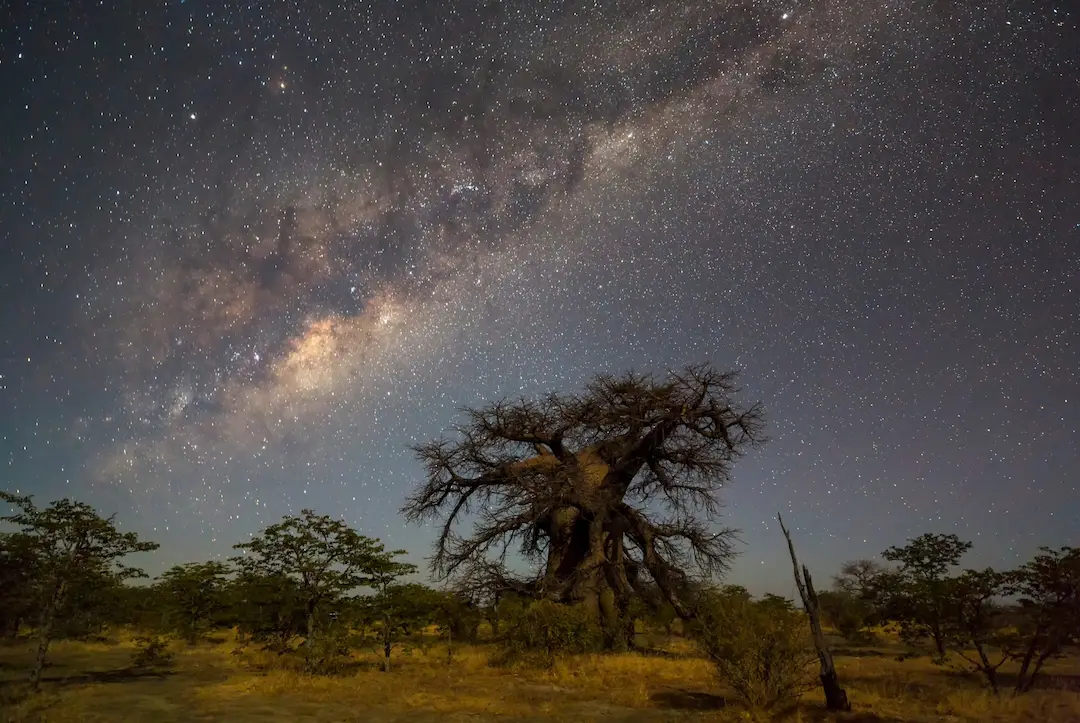
As the afternoon heat fades, you don’t head back to a traditional lodge. Here you’ll go deeper into a dry riverbed where a minimalist camp waits: just a bed, a mosquito net, and a crackling fire. Dinner is prepared directly over the hot coals while you swap stories with your partners under an expanding ceiling of stars. When the fire dies down, you lie back with nothing but a thin mesh layer between you and the pitch-black sky.
You will drift off to the sawing grunt of a distant leopard, the low rumble of elephants moving through the ebony trees, and the rustle of the dry grass. In the morning, you wake to the aroma of fresh coffee heating over the embers just as the first sunbeams hit the valley
Cultural Immersion with the Kunda People
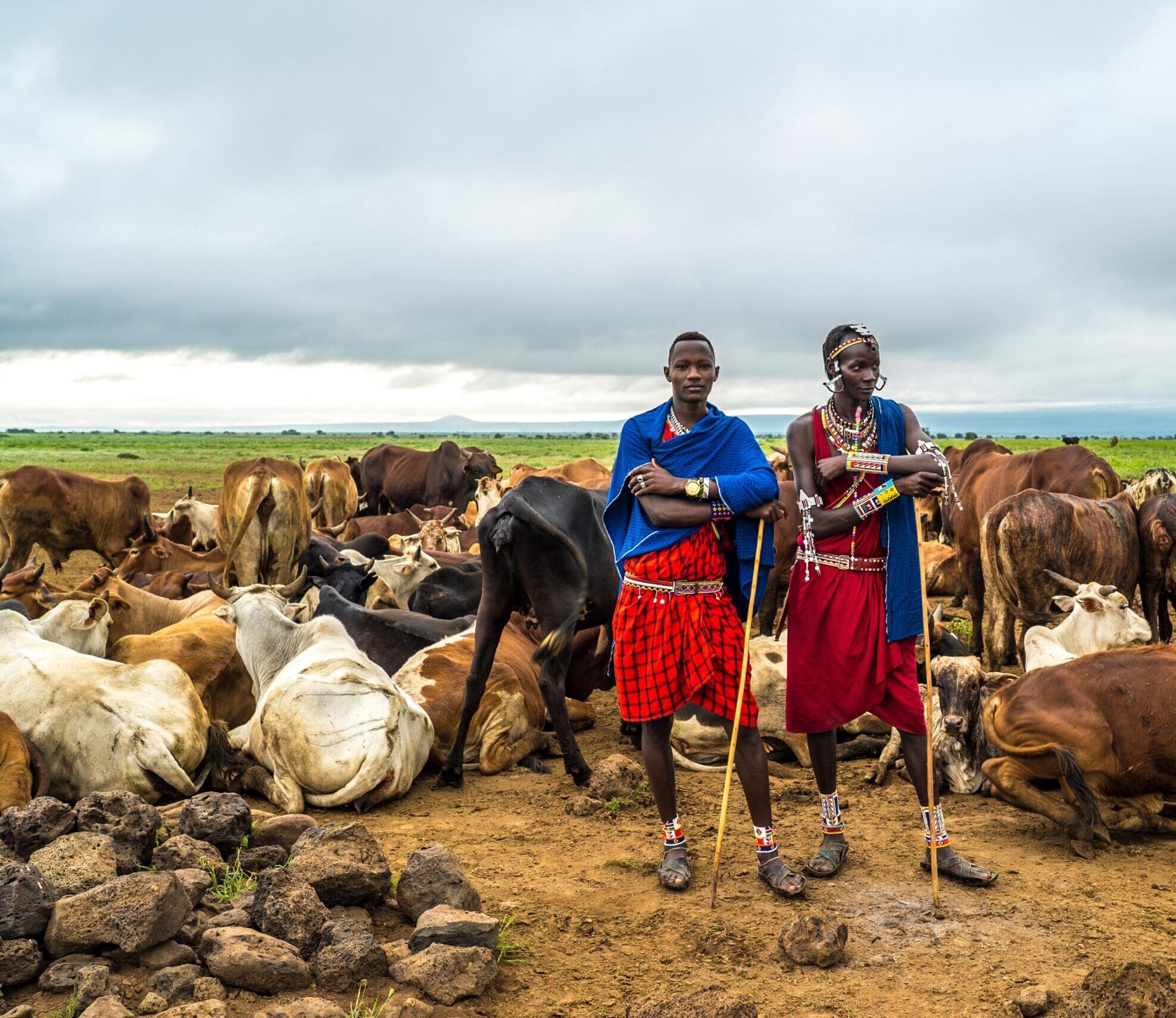
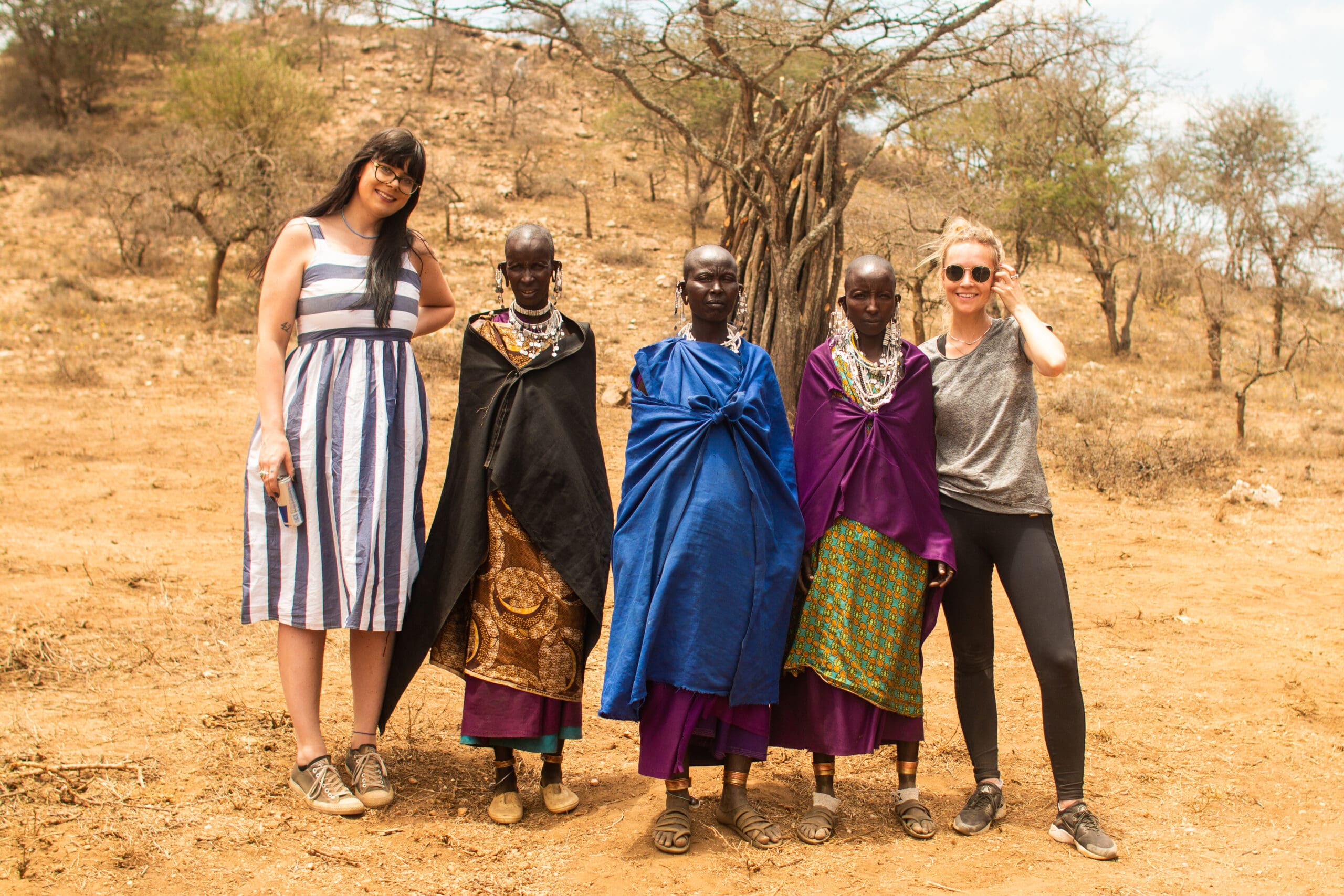
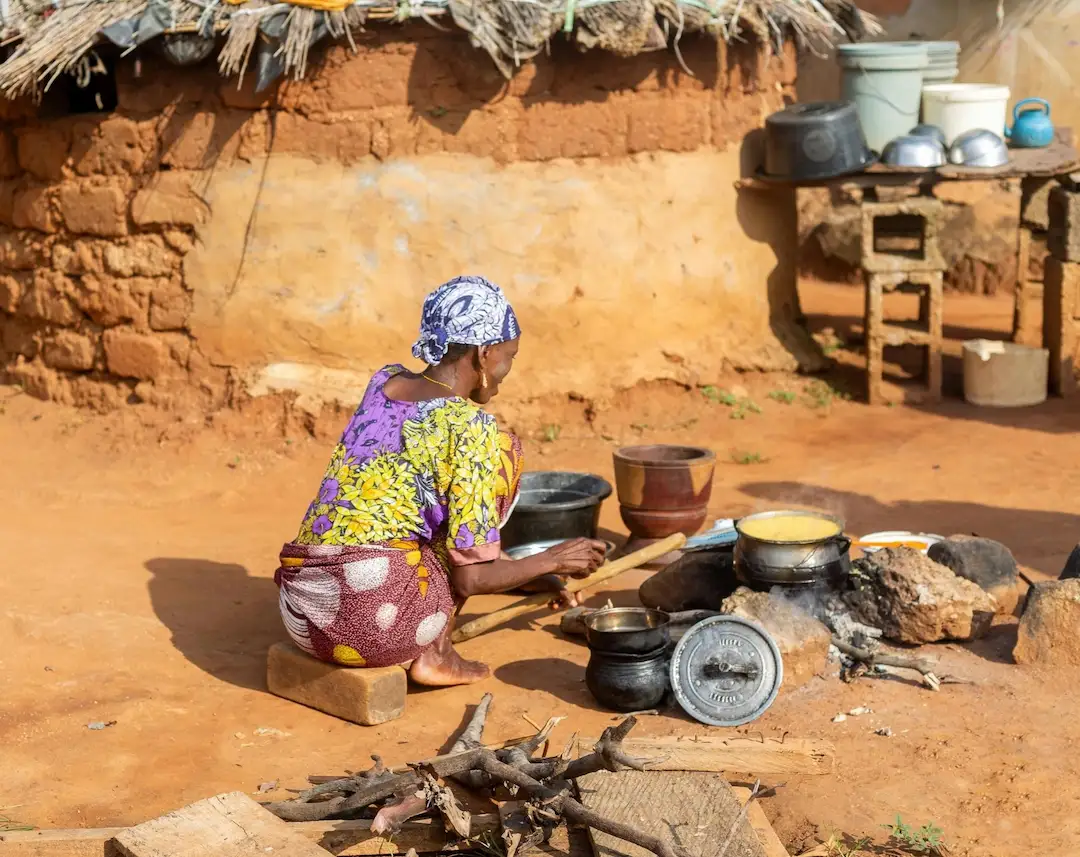
The Luangwa Valley is about far more than wildlife. Just outside the national park, you'll find Kunda communities that provide an authentic look into rural Zambian life. Whether you visit for a few hours or spend the night in a traditional mud-and-thatch hut, this experience is all about getting involved rather than simply observing.
Join in with daily activities like drawing water from a well, grinding maize or helping prepare traditional meals, while learning more about life in the village from the people who call it home. You'll also have the chance to visit the local school and clinic, meet a traditional healer and learn about local customs and traditions. The day often ends with good food, drumming, dancing and Kunda storytelling around the campfire.
Seeking the Crimson Riverbanks
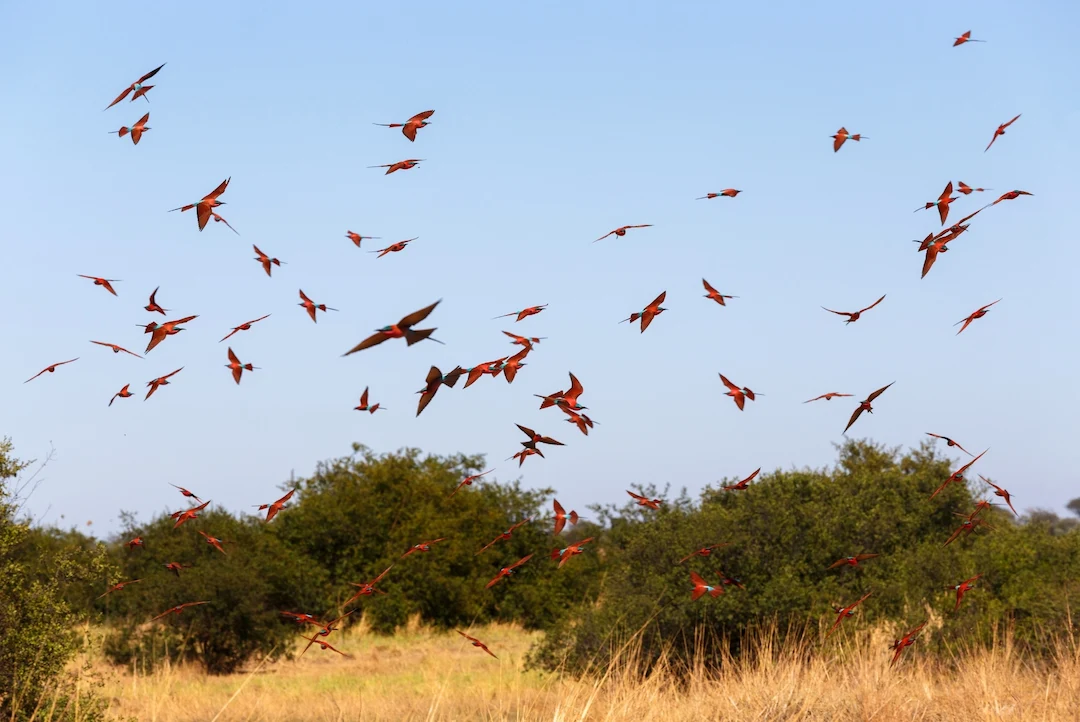
Between August and October, the steep sandy cliffs of the Luangwa River erupt in brilliant shades of red and pink. Thousands of southern carmine bee-eaters arrive to dig their nests directly into the riverbanks. Together with our local partners, who know the quietest bends of the river, you will watch this natural spectacle unfold.
The air fills with high-pitched calls and thousands of flashing wings as the birds dart after insects. It is a loud, busy, and colorful moment that shows a completely different, vibrant side of the Zambian wilderness.
Charlie's way of travelling
Our team lives and works in Africa
We develop our own routes
Your trip is tailor-made by us
100% insured while travelling
All frequently asked questions about South Luangwa en Luangwa Valley
Why is South Luangwa called the birthplace of the walking safari?
TIn the 1950s, legendary conservationist Norman Carr pioneered the walking safari concept in South Luangwa alongside Senior Chief Nsefu. He believed that the absolute best way to experience the wilderness is on foot, while ensuring that local communities directly benefit from ecotourism. Today, the park maintains the highest guiding and scouting standards in Africa to keep this walking legacy completely safe and alive.
When is the best time to visit South Luangwa and the Luangwa Valley?
The dry season (May to October) is ideal for traditional walking safaris and incredible predator sightings around the shrinking waterholes. If you prefer lush, green landscapes and seasonal boating safaris, the "Emerald Season" (January to April) is a spectacular and peaceful alternative, especially for birdwatchers and landscape photographers.
Is a walking safari in South Luangwa safe?
Yes, it is incredibly safe. Every walking safari is led by a highly experienced, professional safari guide who has undergone years of rigorous training, accompanied by an armed Wildlife National Park scout. They intimately understand animal behavior and the terrain. A safe, respectful distance is always maintained from all wildlife.
What endemic wildlife species can I find in the Luangwa Valley?
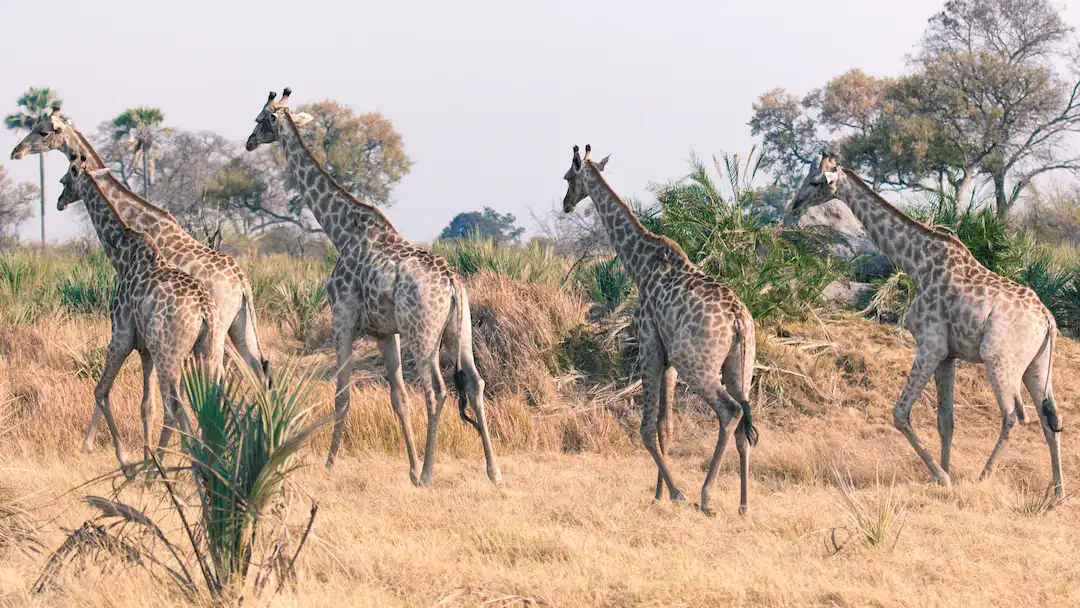
The Luangwa Valley is home to several endemic subspecies that you won’t find anywhere else on Earth. Keep your eyes peeled for Thornicroft’s giraffe (with its distinct dark markings), Cookson’s wildebeest, and Crawshay’s zebra, alongside robust populations of leopards, wild dogs, and hippos.
What should I pack for a walking safari?
Pack lightweight, breathable clothing in neutral, earthy tones (khaki, green, or brown) to blend in with the bush—avoid bright colors, white, and dark blue (which attracts tsetse flies). Sturdy, worn-in hiking boots or trail shoes, a wide-brimmed hat, high-quality sunscreen, insect repellent, and a good pair of binoculars are essential.
Ontdek meer in Marokko
Of blader door al onze unieke en authentieke ervaringen
Need travel advice?Ask our Zambia expert Anna
Hungry for the unknown? Our Africa experts have the answers to your burning questions.