City tour in Luanda

Luanda is not a city to quietly acclimatize in. It is a place where gleaming skyscrapers cast shadows over lively popular neighborhoods, where colonial Portuguese facades merge with African beats, and where you might just stumble upon a pop-up art exhibition. Luanda overwhelms you, challenges you, and then completely wins you over.

Why stay an extra night in Luanda?

To be honest: many travelers want to move on to the Angolan wilderness as quickly as possible after arrival. But if you truly want to understand the soul of this country, you must stick around for at least one extra night.

Luanda is intense, occasionally incredibly expensive, and logistically a challenge. But it is also the place where modern Angola lives. Walk along the Marginal boulevard with our local partners Abdel and Adul, feel the warm breeze of the Atlantic Ocean, and marvel at the chaotic traffic where horns speak their own language. Here you learn the most important Angolan life lesson: nothing goes according to plan here, but in the end, everything turns out fine. Thanks to the friendship of Abdel and Adul, you don't enter the city as a spectator, but pull up a chair directly with the people who give Luanda its color.

What can you do in Luanda?

From otherworldly lunar landscapes just outside the city limits to deep, personal encounters in the neighborhoods: these are the moments that stay with you.

The place where the sun meets the sea

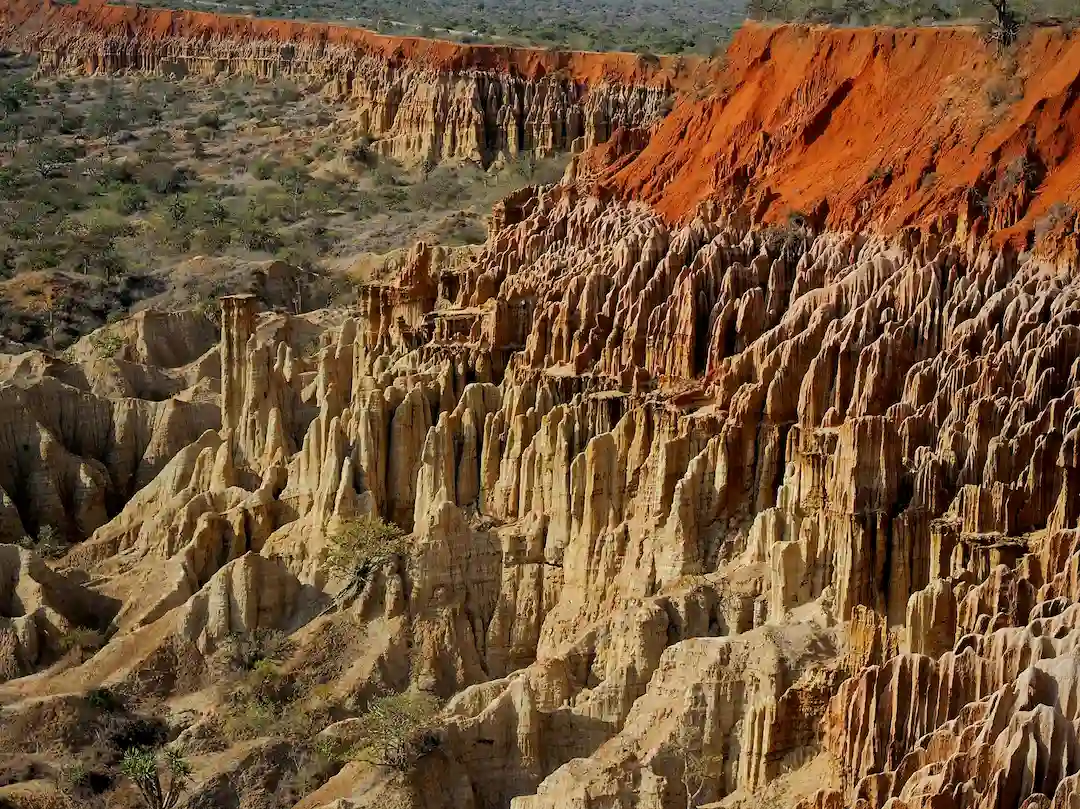
When you drive south out of the city with Abdel, a bizarre natural phenomenon suddenly emerges. Miradouro da Lua, or the Moon Viewpoint, is a gigantic ravine carved by wind and rain that glows bright orange and deep red in the afternoon sun.

While the waves of the ocean break in the background, you stand here on the edge of a surreal amphitheater. It is the perfect place to experience the enormous, vast scale of Angola for the first time.

Pull up a chair for funge at Mama Tete

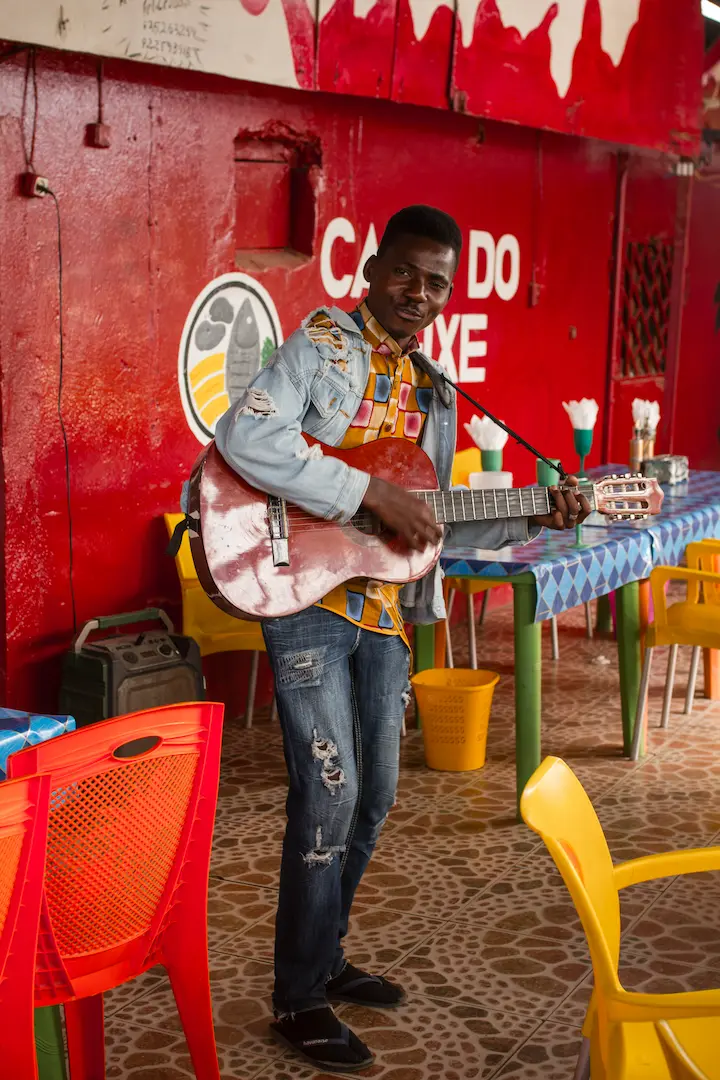
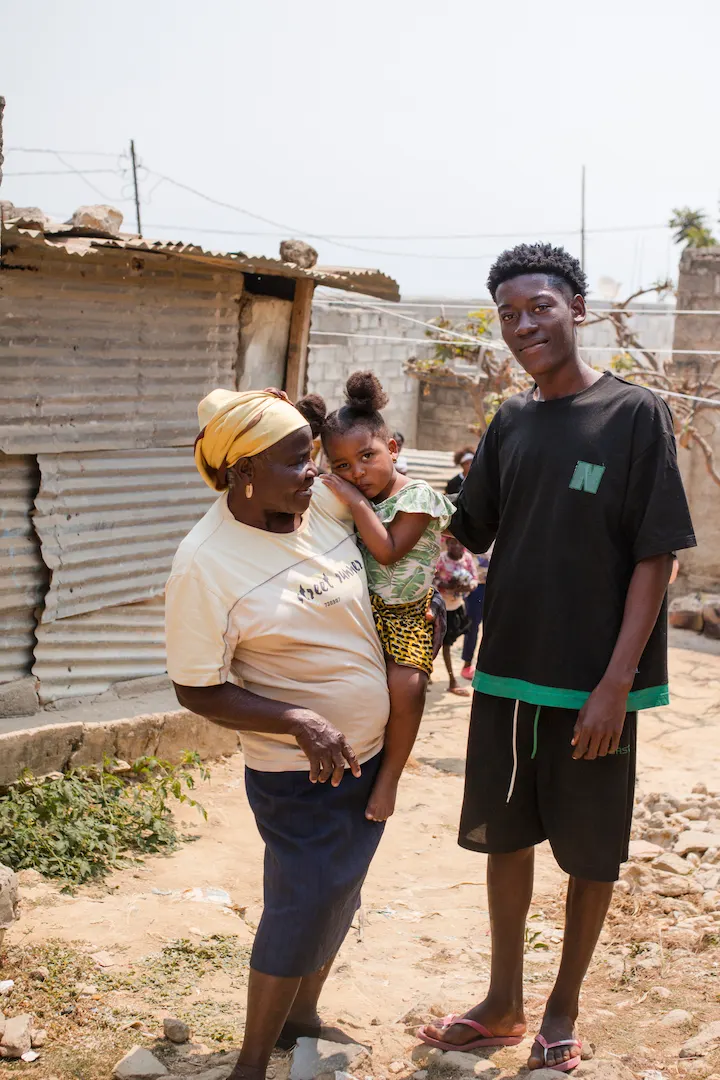
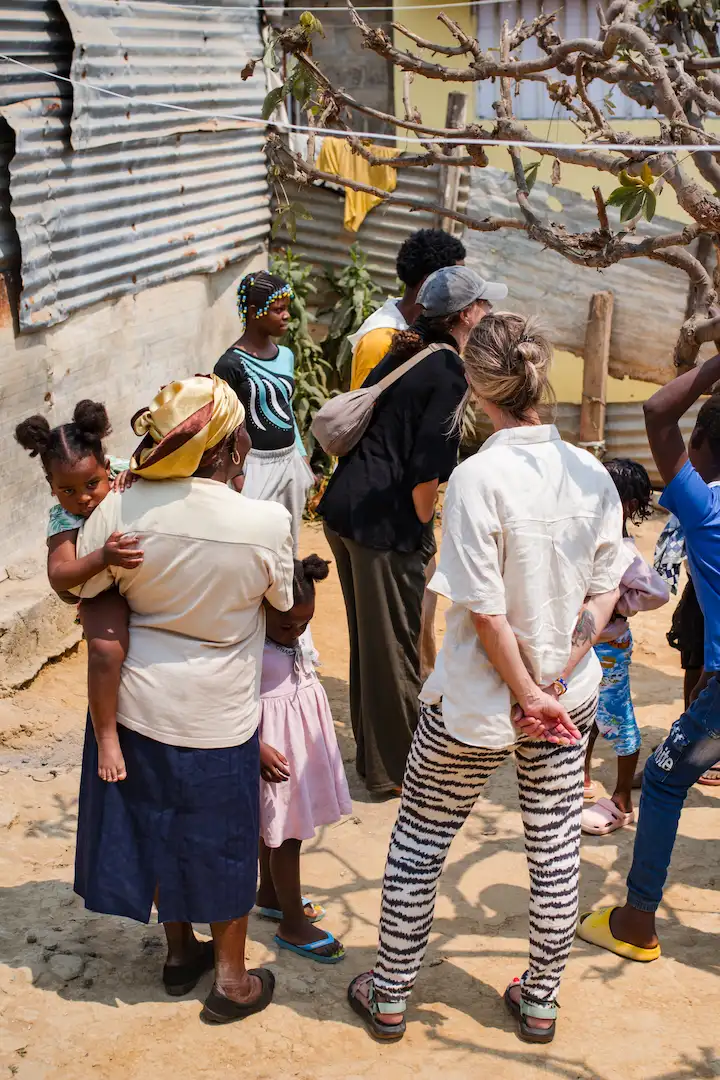
This is Charlie’s Travels at its best: no detached tourism, but real, equal encounters. Together with Adul and Abdel, you leave the gleaming facades behind and visit one of Luanda's lively neighborhoods. Here you are a guest of Mama Tete.

While the pots are on the fire, Adul helps translate the tall tales and you eat funge (traditional cassava porridge) with rich fish stew together with your hands. Here you don't just talk about the culture; you laugh, share, and experience it together at the kitchen table.

History with a view: Fortaleza de São Miguel

For the best perspective on Luanda's complex past and present, climb up to the Fortaleza de São Miguel. This historic fort towers over the city. While your guide tells you about the centuries of Portuguese rule, the slave trade, and the eventual struggle for independence, you look out over the glittering bay, the busy harbor, and the landspit of the 'Ilha'. It is an impressive place where the history of this resilient country becomes tangible.

An ice-cold Cuca on the beach of Mussulo

Luanda is hot and energetic, but fortunately, the Atlantic Ocean is never far away. The 'Ilha' is a five-kilometer-long spit of land full of lively fish restaurants and beach clubs where the local population gathers.

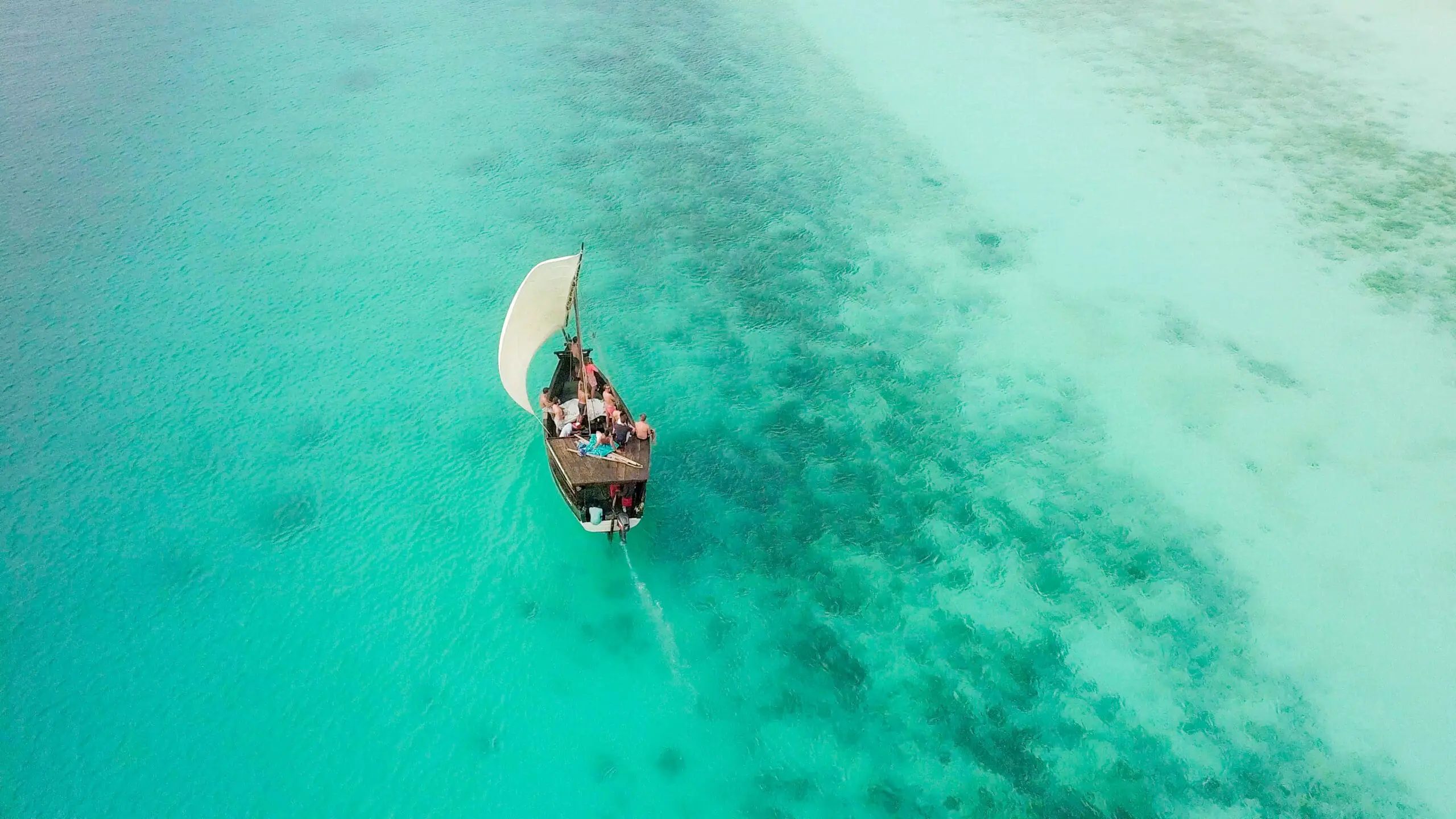
Do you want to leave the city bustle behind for a bit? Then we'll arrange a boat to Mussulo Island. Here you won't find wild waves, but calm, warm water and swaying palm trees. Settle down in the sand with an ice-cold Cuca (the Angolan beer) in your hand and toast to the start of an unforgettable expedition.

Our team lives and works in Africa

We develop our own routes

Your trip will be tailor-made

100% insured and travel in safety

All your frequently asked questions about Luanda at a glance

Is Luanda safe for travelers?

Yes, generally Luanda is fine to visit. Just like in any other African metropolis, you must use your common sense here: leave expensive jewelry in your accommodation and do not wander the streets alone after sunset. Because we work closely with local guides like Adul and Abdel, you are always in safe and trusted hands.

Is the city really as expensive as they say?

Yes, don't be shocked when you see the menu or hotel bill. Luanda is historically one of the most expensive cities in the world for expats and travelers due to the oil industry. Be prepared for this in your travel budget, but know that the raw culture and unique encounters are worth every kwanza.

How do I best navigate the city chaos?

Traffic in Luanda can come to a complete standstill. Driving yourself is absolutely discouraged here. We therefore always arrange an experienced local driver and guide for you. They know the shortcuts, understand the unwritten traffic rules, and ensure you arrive at your destination relaxed.

What is the best time to visit Luanda?

The cooler, drier months from May to October are ideal. The temperature then fluctuates around a very pleasant 23°C to 26°C.

What about the visa for Angola?

Good news: recently Angola has become a lot more accessible! Many nationalities (including Dutch and Belgian) can now travel visa-free for tourist stays of up to 30 days. We always double-check this for you personally at the time of booking.

Discover more about Angola

Or browse through all our unique and authentic experiences

Example trip

Discover the undiscovered Angola

Multi-day jungle expeditions, deep desert expeditions, canyons and fly-in camps far from civilisation,

Unique Experience

Wild camping in Angola

Forget the hustle and bustle of Bali or Morocco. Angola is the place where you can still have miles of perfect waves all to yourself.

Travel Story

Travel Story: Angola through the eyes of Pioneer Hanneke

Pioneer Hanneke takes you on a journey through Angola, from Luanda and Calandula Falls to the Namib Desert. Raw, chaotic, magical and full of stories.