Antananarivo: First Impressions of Madagascar

When you first land in Antananarivo, you suddenly find yourself in a completely different world. You are in Africa, but the many rice fields remind you of Asia, the people of Indonesia, the city center of an old European heart, and then suddenly grand avenues just like in France. Where are you? Africa? Asia? Europe? It all comes together here in this unique melting pot that you won't find anywhere else in the world.

Tana: Where Continents Merge

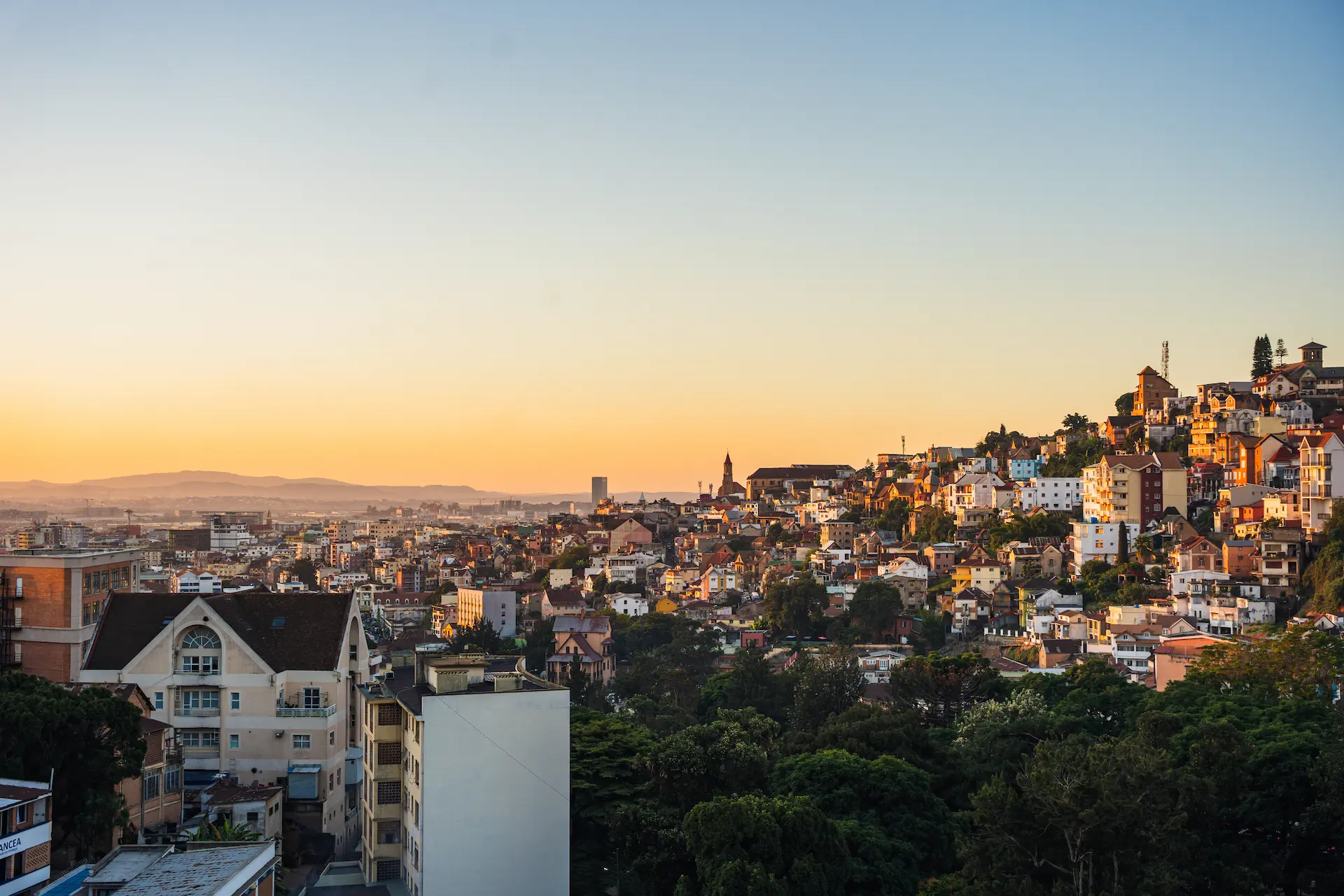
Antananarivo, or simply "Tana" as the locals call it, is the capital and the beating heart of Madagascar. Located on a ridge at about 1,400 meters altitude, the city has about 3.5 million inhabitants and is by far the largest city on the island.

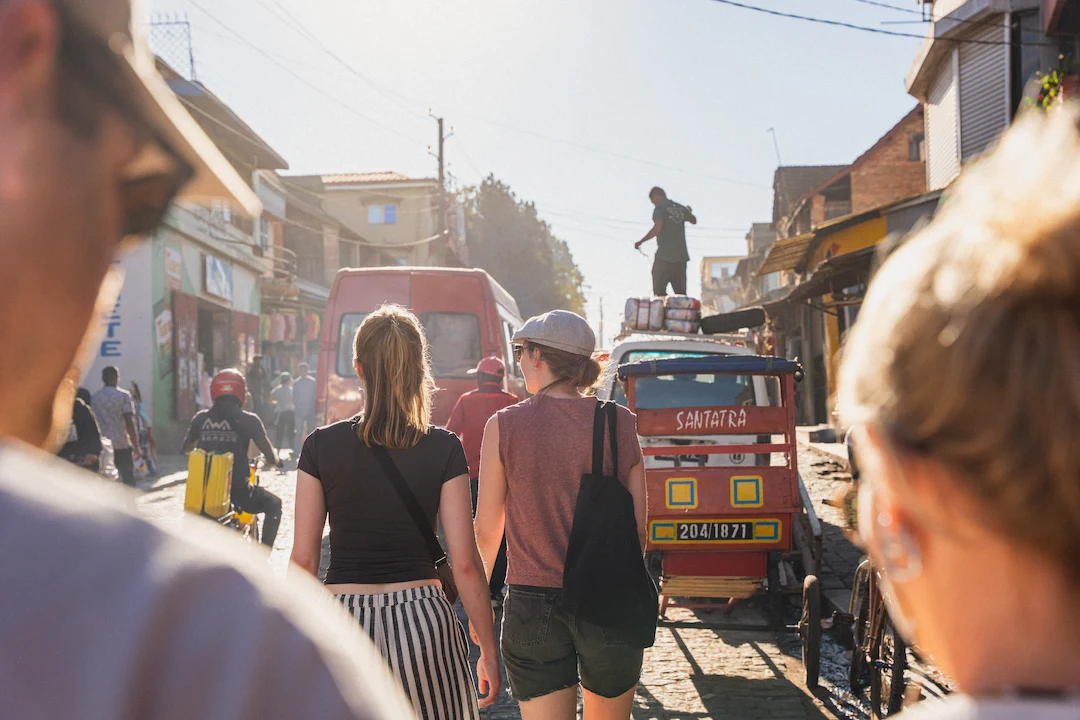
Everywhere you see evidence of an eventful history: colonial buildings next to traditional Malagasy red brick houses and antique French Citroën taxis rattling through the narrow alleys.

What Makes Tana So Special

Antananarivo was founded in 1625 by King Andrianjaka, who chose the city hill as a strategic spot to rule over the surrounding lowlands. The name itself literally means "city of a thousand," referring to the thousand soldiers who guarded the hill. Today, that strategic location is still palpable: the city is built on twelve hills, meaning you are constantly walking up and down through narrow streets.

Malagasy culture is a unique fusion of African, Austronesian, Arabic, and later European influences. The population descends from seafarers from Borneo who reached this island more than 1,500 years ago, long before European explorers ever set foot there. Those Asian roots are visible everywhere: in the rice culture (rice is eaten here four times a day), in the faces of the people, and in the architecture.

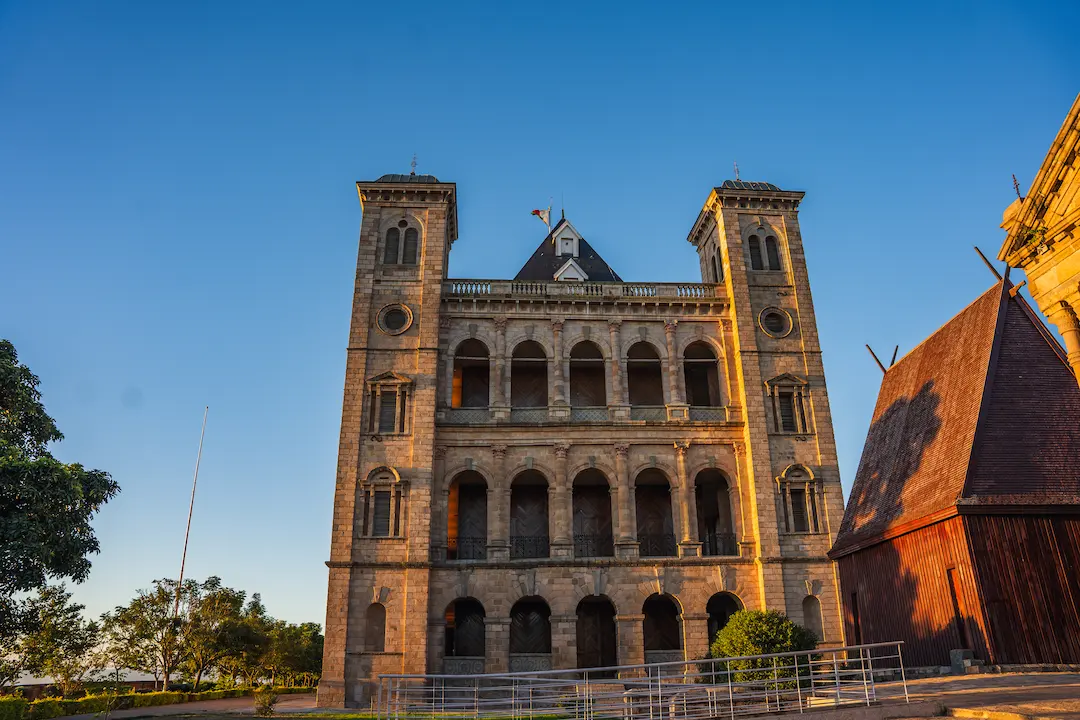
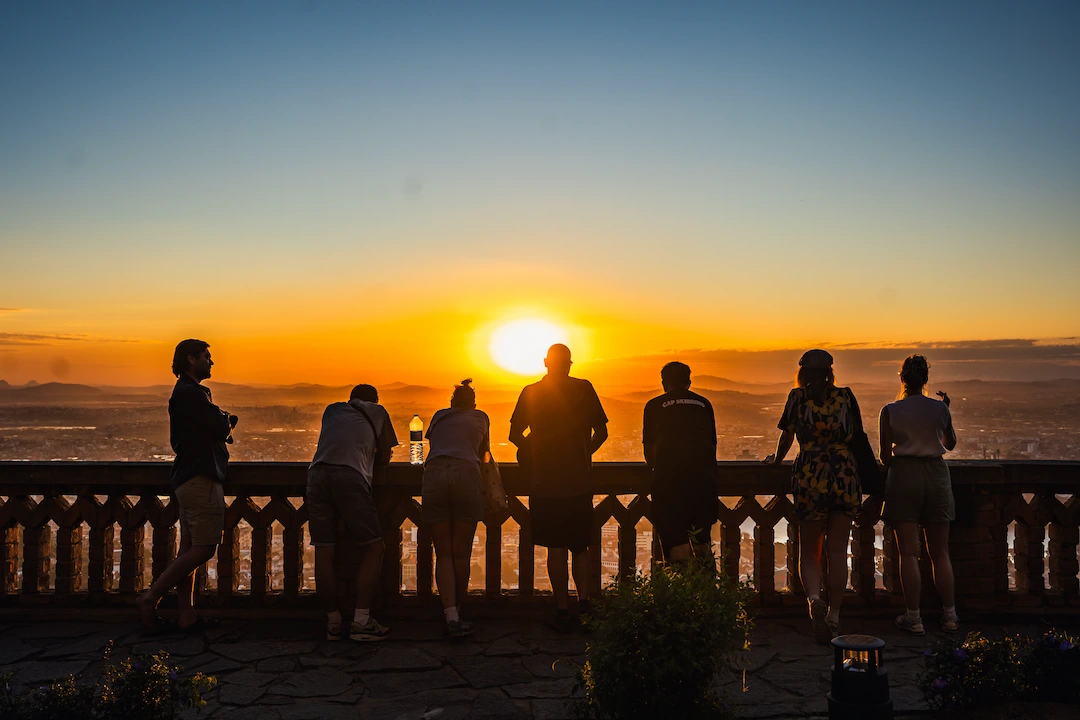
The Rova of Antananarivo, the old royal palace on the highest hill, dominates the city skyline. Although the complex largely burned down in 1995 during a mysterious fire, it has since been partially restored and offers a wide view over the entire city and the rice fields in the valley. Highly recommended to visit at sunset.

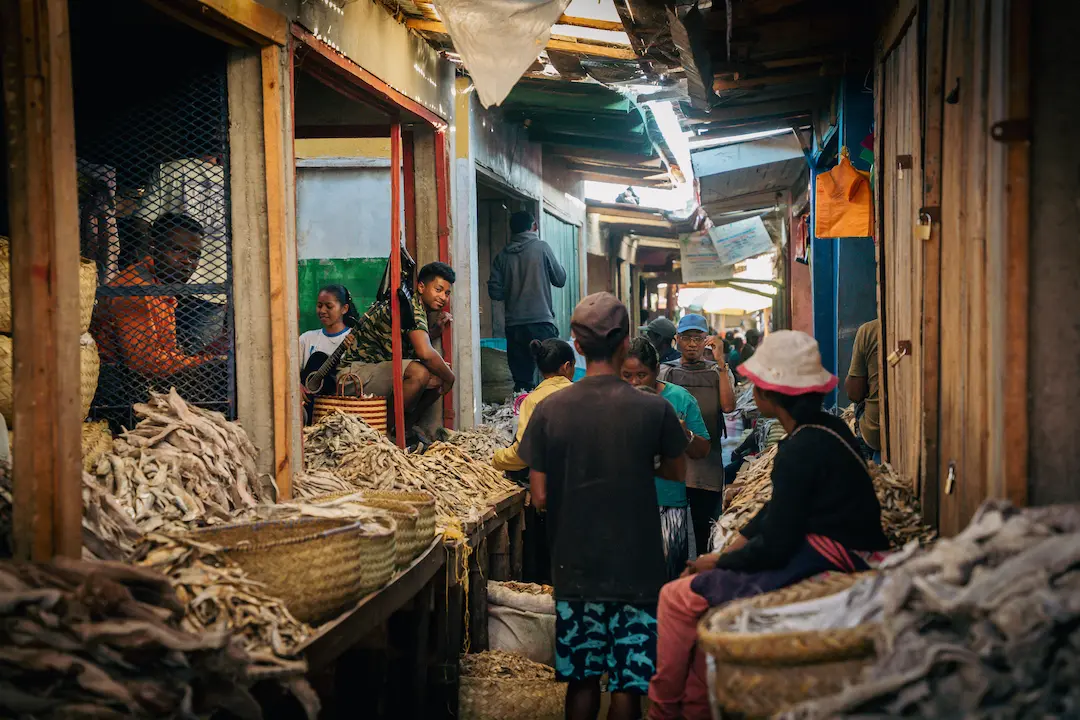
Down in the city, it’s buzzing. The Avenue de l'Indépendance is the artery of Tana, flanked by colonial buildings with iron balconies, where street vendors sell zebra-print cloths, vanilla beans, and grilled corn cobs. Be sure to check out the Zoma market, traditionally one of the largest open-air markets in the world, now spread across various squares but as colorful and chaotic as ever.

Local tip: Eat where the locals eat. A plate of romazava (the national stew with zebu meat) costs less than a euro here. The best spots aren't on Google Maps; just follow the crowds.

Activities in Antananarivo

From royal palaces to bustling markets, Tana has more to offer than most travelers expect. These are our local favorites.

The Rova: Royal Palace on the Hill

The Rova of Antananarivo is the symbol of the city. This complex of traditional Malagasy palaces once stood for the power of the Merina kings who ruled the island for centuries. Like Queen Ranavalona I, who was notorious for her iron fist but also the first to fight against European colonization.

After the fire in 1995, it was partially restored. The view of the city and the green rice valley from above is unforgettable.

Marché Analakely: The Heart of Tana

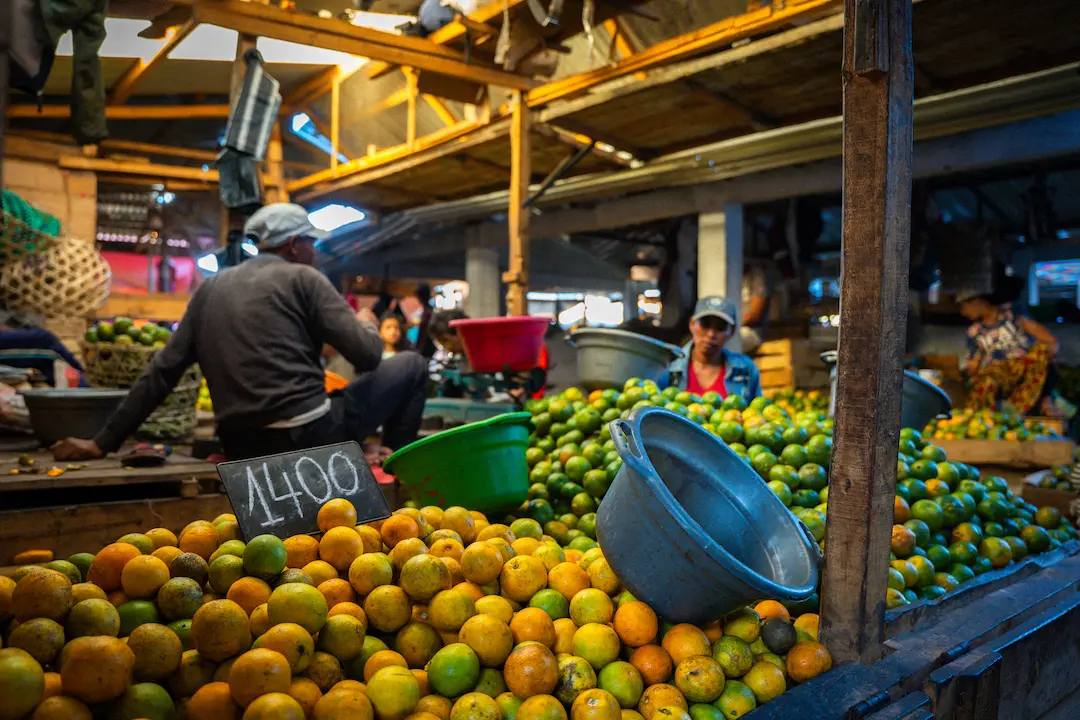
The Marché Analakely is the city's largest covered market and a complete sensory overload, in the best possible way. Fresh vegetables, vanilla straight from the region, hand-woven lamba fabrics in all the colors of the rainbow, and the smell of fresh coffee and spices everywhere.

This isn't a tourist market; everyone actually shops here. Do as the locals do: bring small bills and negotiate always friendly but confidently.

Tip: ask for vanilla and black pepper; it's dirt cheap and top quality!

The Haute-Ville: Rising Above the City

The Haute-Ville (Upper City) is the old historic heart of Tana, accessible via narrow red brick staircases. Here you'll encounter authentic traditional Malagasy architecture: tall narrow houses with large windows and wooden balustrades, nestled between small gardens and local stalls. Wander aimlessly; you'll always come across something unexpected. It's also the best place to taste local mofo gasy (rice bread), freshly baked in an iron pan.

Eating Locally Like a Malagasy

Tana has a vibrant food culture that remains far off the radar of most travelers. Go for romazava, the national stew with zebu meat and green leaves, or try vary amin'anana (rice with vegetables), the daily comfort food of every Malagasy household. In the Analakely neighborhood and around Lac Anosy, you'll find simple local restaurants where a full meal with a drink costs less than 2,000 ariary, barely 50 euro cents. The night market at the Stade Municipal is also recommended for grilled meat and fries under the open sky.

Our team lives and works in Africa

We develop our own routes

Your trip will be tailor-made

100% insured and travel in safety

All Your Frequently Asked Questions About Antananarivo at a Glance

Is Antananarivo safe for tourists?

Yes, but like in any large city, you have to be careful. Travel with local knowledge and avoid dark streets at night. The Haute-Ville and the busier market areas are fine to visit during the day. At night, it’s best to take a taxi instead of walking. Many travelers stay in Tana without any incidents.

What is the best time to visit Antananarivo?

The best time to travel is from April to November, the dry season. Temperatures in Tana are pleasant (15–22°C) due to its higher elevation. Avoid December to March if you can: this is the rainy season, sometimes with tropical downpours that make roads and trips difficult. The most beautiful period is September–October, when it's dry and the landscape is still green from the early rice harvest.

What are must-sees in Antananarivo?

Analakely market, the Rova palace, the old neighborhoods, and of course the local food. Contact us for our favorite spots for a bite and a drink!

How do I best move around the city?

Walking is great for the upper city, but for longer distances, the bright yellow taxis (Renault 4 or 2CV) are iconic and cheap. Do agree on a price beforehand!

Do I need a visa for Madagascar?

Yes, you can easily apply for it on arrival at Ivato airport in Tana. A 30-day visa costs approximately 35 euros (or the equivalent in ariary/dollars), extendable to 60 or 90 days.

Ontdek meer in Madagaskar

Of blader door al onze unieke en authentieke ervaringen

Voorbeeldreis

Bezoek het onontdekte Angola

Meerdaagse jungle-expeditie, diepe woestijnexpeditie, canyons en fly-camps ver van de bewoonde wereld,


Unieke ervaring

Wild kamperen in Angola

Vergeet de drukte van Bali of Marokko. Angola is de plek waar je nog kilometerslange, perfecte golven voor jezelf hebt.

Travel Story

Travel Story: Angola door de ogen van Pionier Hanneke

Pionier Hanneke neemt je mee door Angola, van Luanda en Calandula Falls tot de Namib woestijn. Rauw, rommelig, magisch en vol verhalen.