Surfing in Angola
Forget the crowds of Bali or Morocco. Angola is the place where you still have miles of perfect waves all to yourself. A country with a raw edge, where the Atlantic Ocean crashes against the Namib Desert and where you share the line-up with no one but a handful of curious dolphins and a stray local fisherman.
Why Angola is the place for your next surf trip
Surfing in Angola is not a polished vacation; it reminds us of the essence of travel. With a 1,500-kilometer coastline that catches powerful southern swells unhindered, you'll find waves here that roll as if they were designed on a drawing board. But the best part? The surf community here is small, tight-knit, and incredibly welcoming.
You are not just a number in the water; you are a guest. Whether you're sharing the legendary longboard rides of Cabo Ledo with local surf pioneers or plowing through the shifting sands of the Namibe desert in a rattling 4x4 looking for unnamed waves: this is surfing in its most pure and unfiltered form.
Where are the best places to surf in Angola?
Dust on your dashboard, salt on your skin, and the smell of firewood: surfing in Angola is all about the elements and the people who live on this wild coast.
Tame 'Praia dos Surfistas' in Cabo Ledo
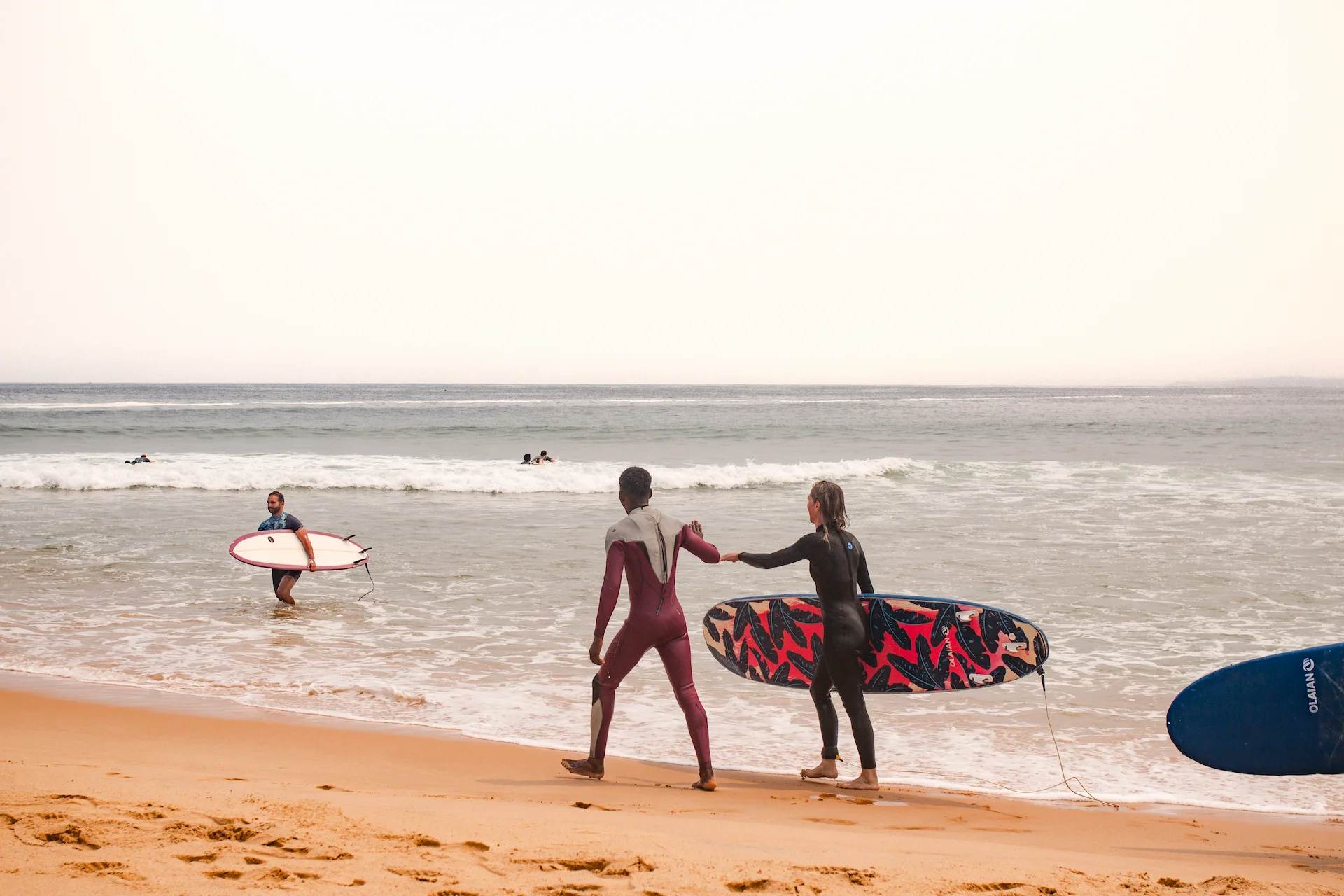
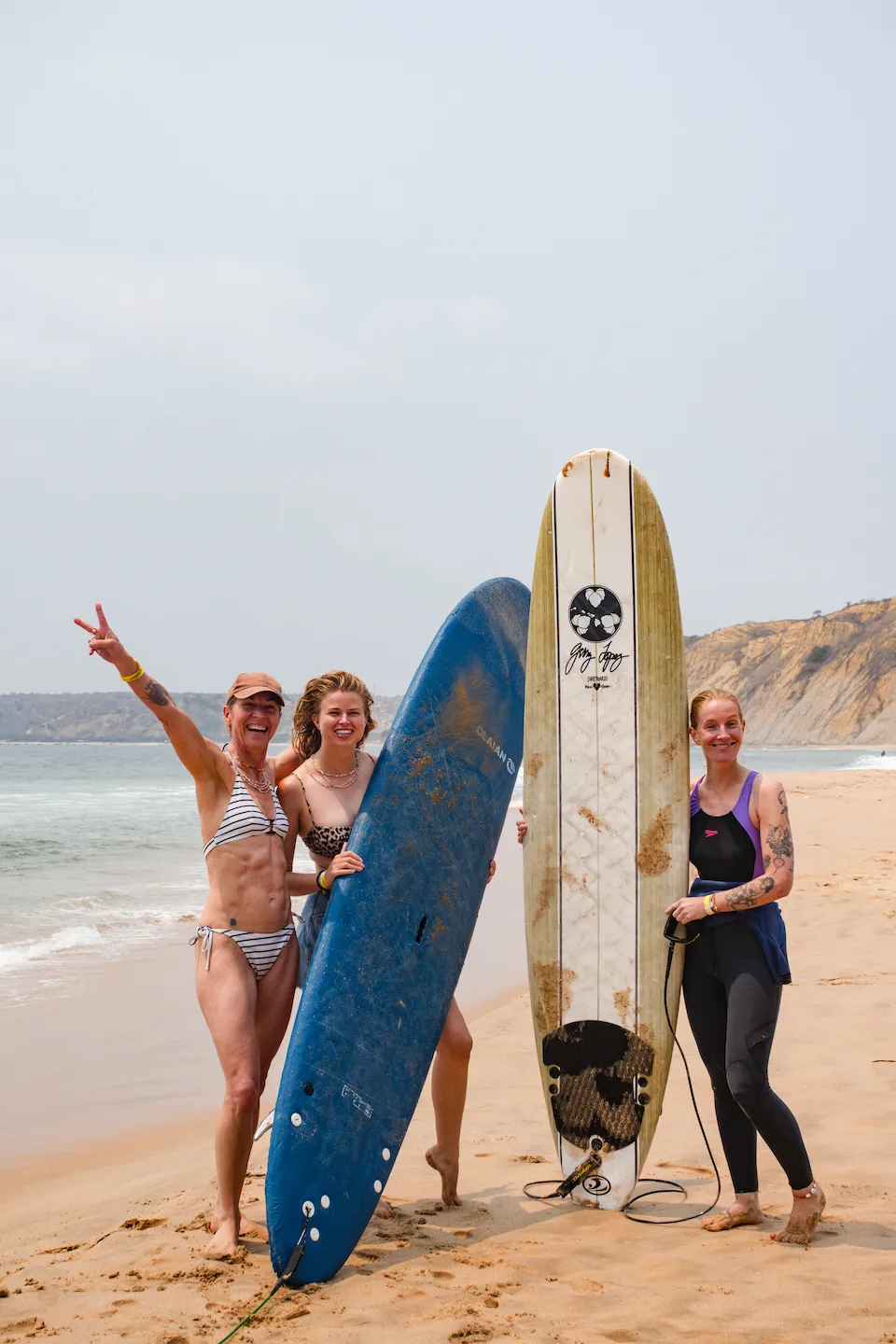
About two hours south of Luanda lies Cabo Ledo. Here, you roll out of your tent and find yourself with your feet directly on Praia dos Surfistas. This is a left-hand point-break that runs so idyllically long that your legs will start to ache. Ideal for longboarders and surfers looking to perfect their turns.
After your session, walk over to Nuno's wooden bar, one of the few local surf pioneers from the early days. As he cracks open an ice-cold Cuca beer for you, he points to the horizon and tells you what the bay looked like twenty years ago—when there was literally no one else there.
Desert surfing in Namibe & Tômbua
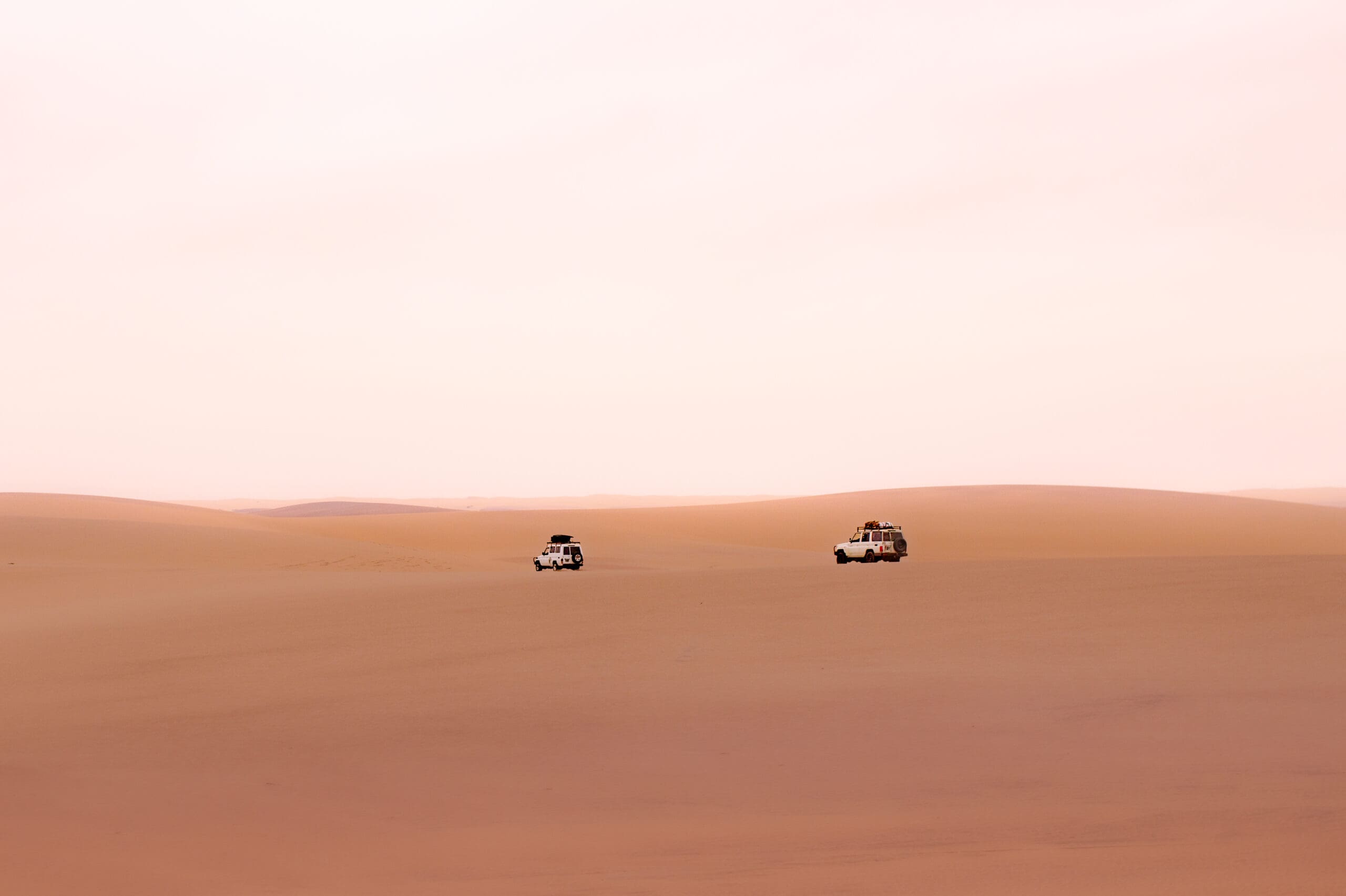
For the true adventurers, we head further south to the Namibe province, where the desert meets the sea in a surreal landscape. Near the fishing village of Tômbua, you'll find kilometers of left-hand waves that have only recently been filmed for the first time.
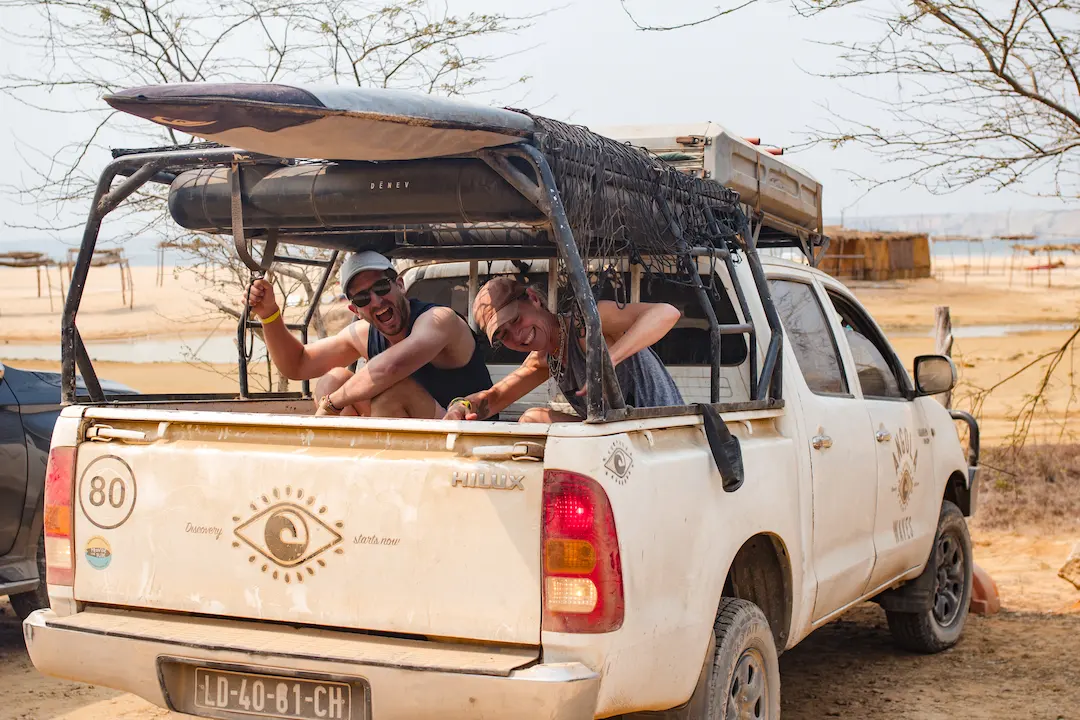
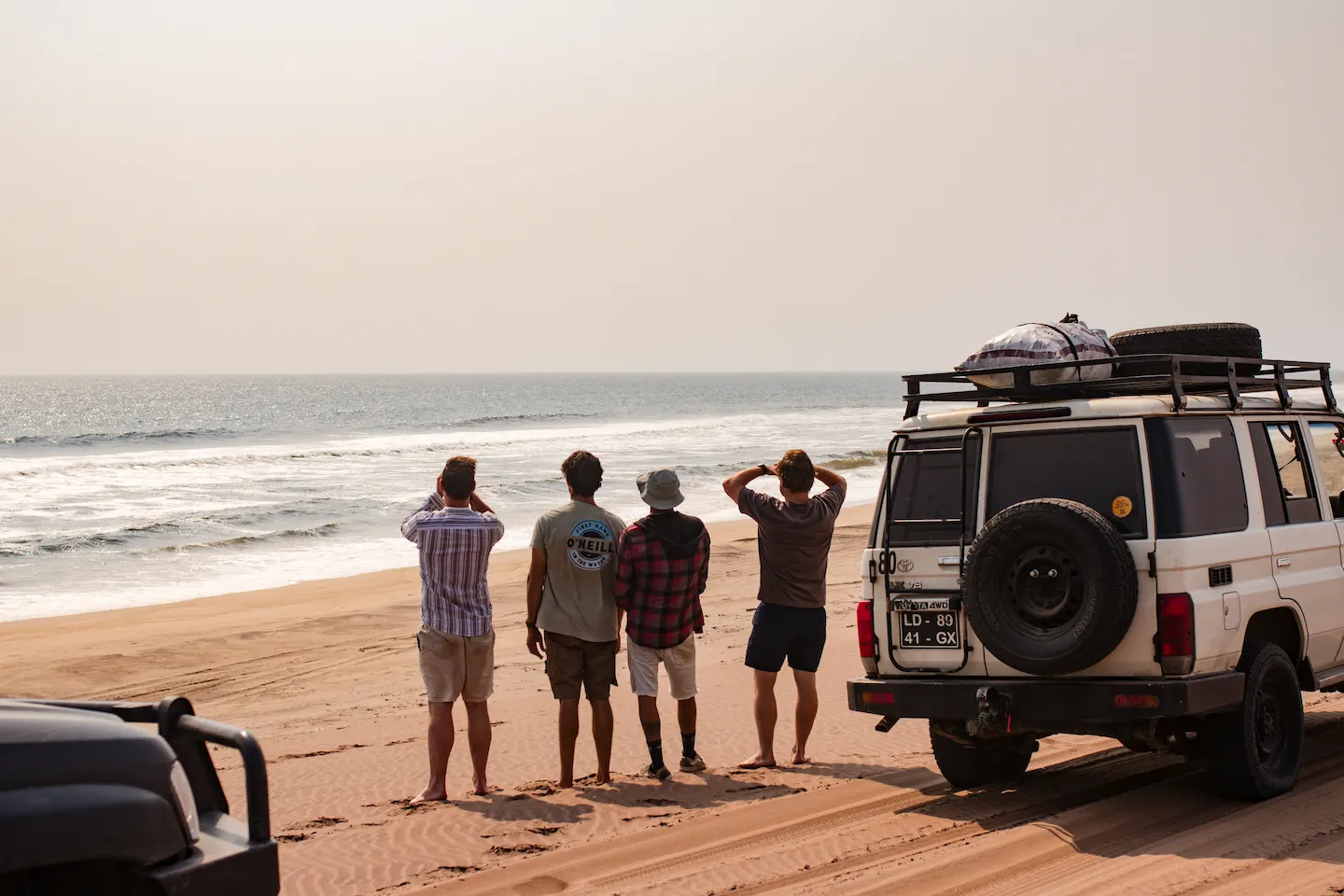
Because these spots are often only accessible by 4x4 via challenging sandy tracks, you are guaranteed to have the ocean to yourself here. Be careful though: the heat can make the sand so soft that your car gets stuck—fortunately, local workers are often nearby to help.
Wild camping on the 'Shipwreck Coast'
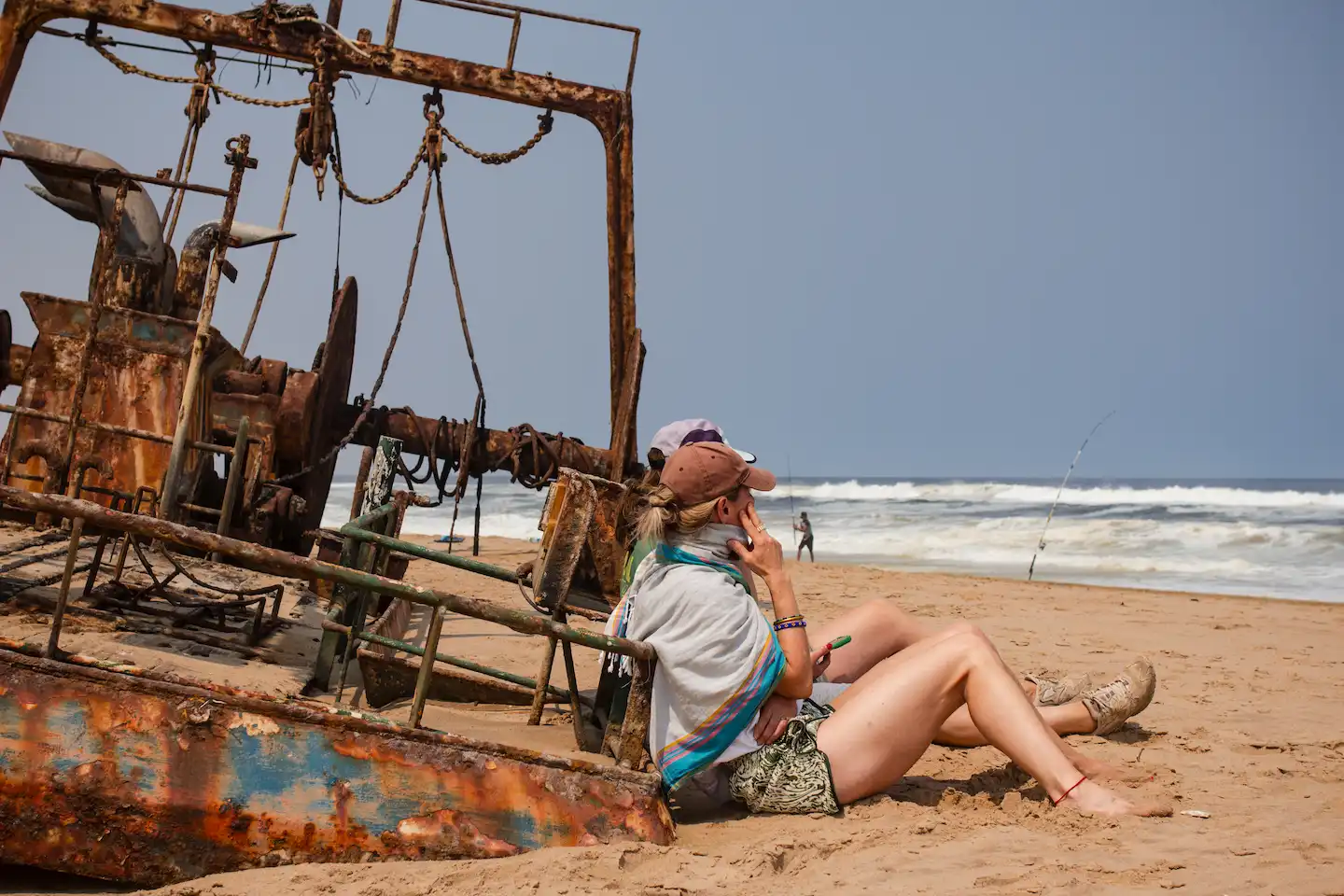
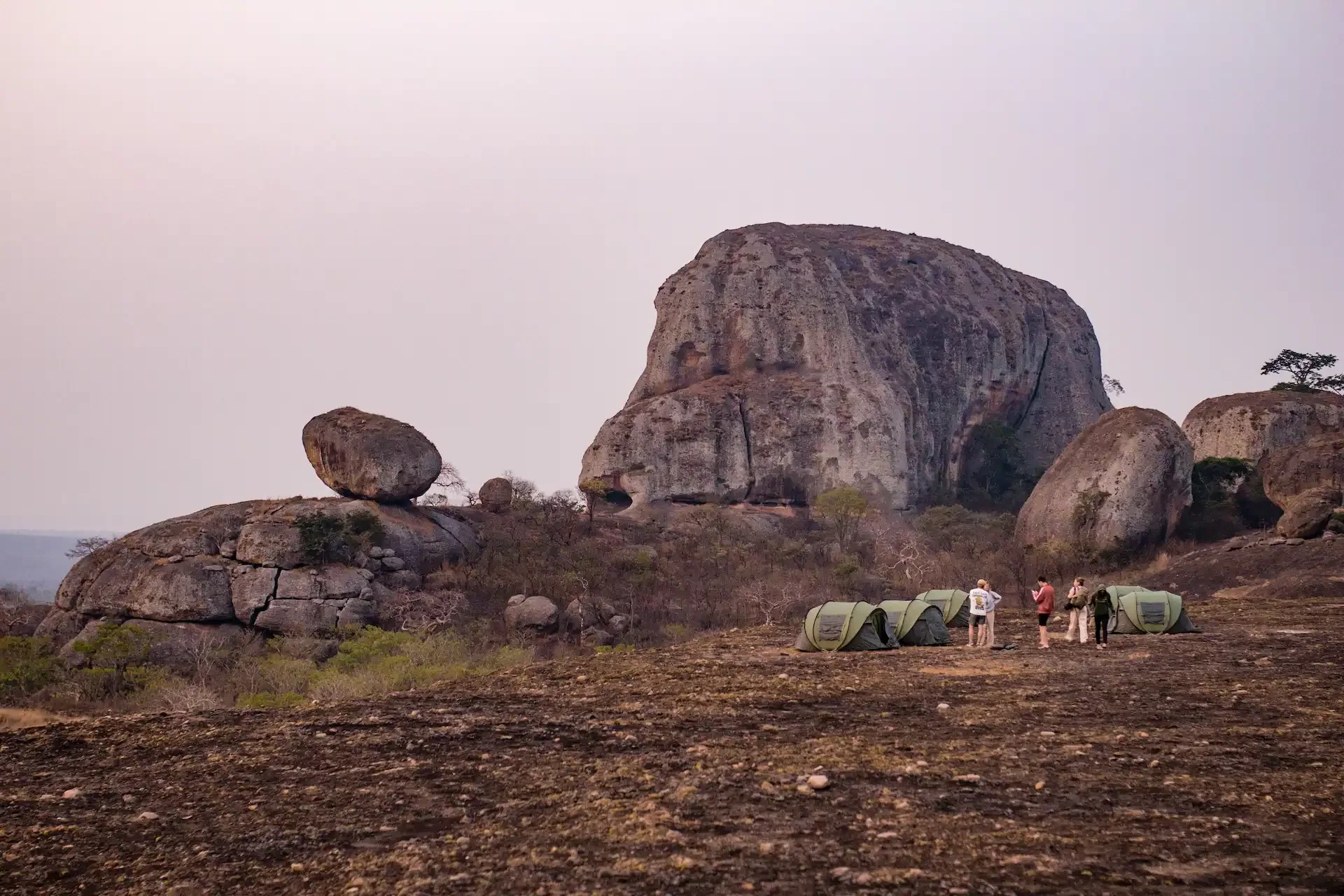
Your surf adventure in Angola is only complete once you leave the civilized world behind. We camp directly on the beach, in places where rusty shipwrecks lie in the surf like silent witnesses. You wake up to the cold sea mist rolling over your tent, light the fire for a pot of strong coffee, and watch the first sets of the day roll in perfectly.
In the evening, when the wind dies down and the starry sky bursts open over the Atlantic Ocean, you truly realize how far off the beaten path you have strayed.
Discover the hidden point-breaks of Benguela
Between Luanda and Namibe lies Benguela, a region full of steep coastal cliffs and hidden bays. Spots like Quicombo and Catanas Point require a bit of climbing and patience, but the reward is worth it: fast, hollow left-handers breaking over rock slabs.
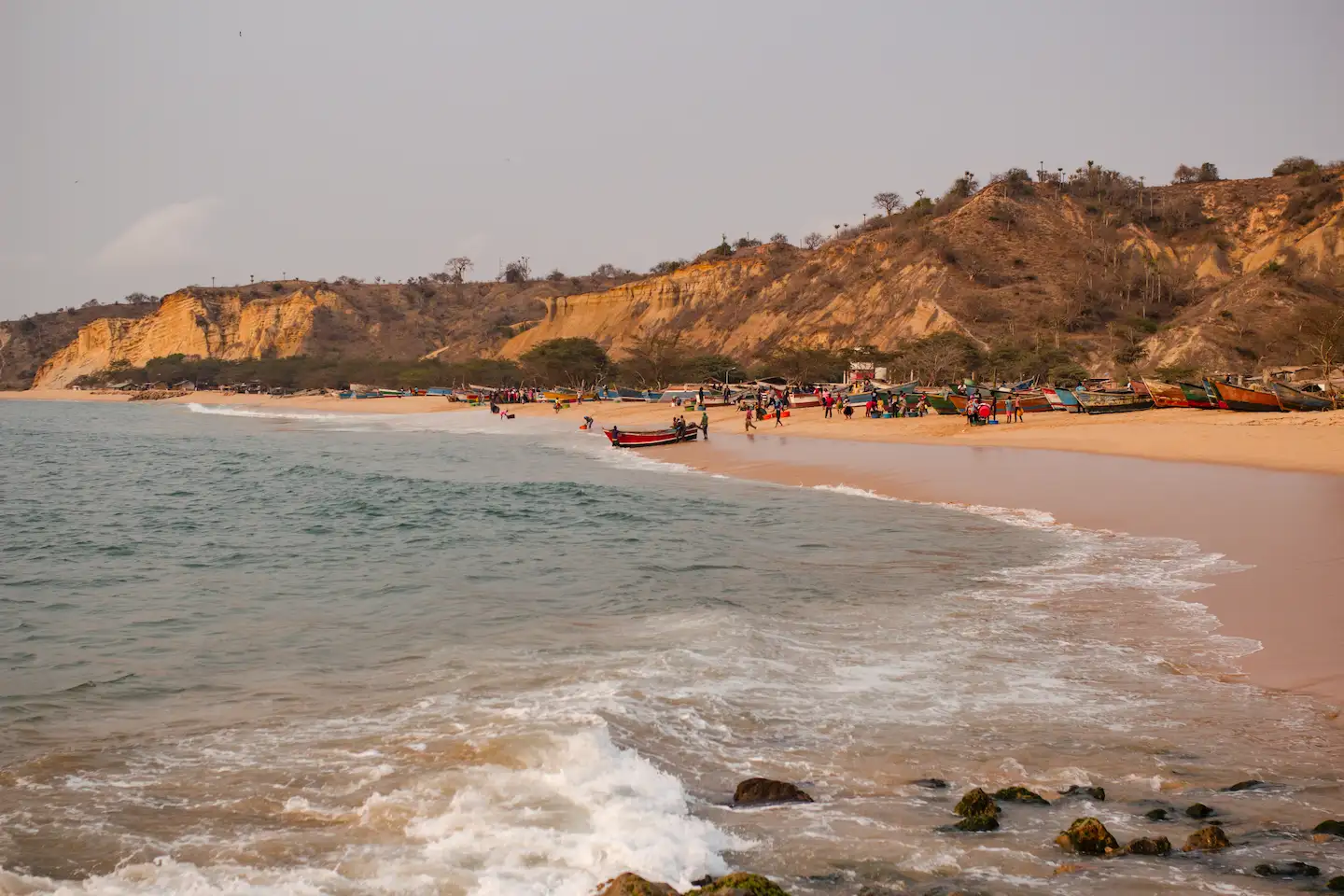
We meet local fishermen here who haul their colorful wooden boats onto the dry land and explain to you with broad gestures what the current is like today. This isn't a surf spot out of a magazine; this is real, daily life on the Angolan coast that you get to be part of for a while.
Charlie's way of travelling
Our team lives and works in Africa
We develop our own routes
Your trip will be tailor-made
100% insured and travel in safety
All your burning questions about surfing in Angola answered
When can I catch the best waves?
The dry season (cacimbo) from May to October is absolute prime time. The swells from the south are very consistent then, and the wind is favorable. During the day, it's a pleasant 20-25°C, but be sure to bring a warm sweater for the evenings by the campfire.
Do I really need a 4x4?
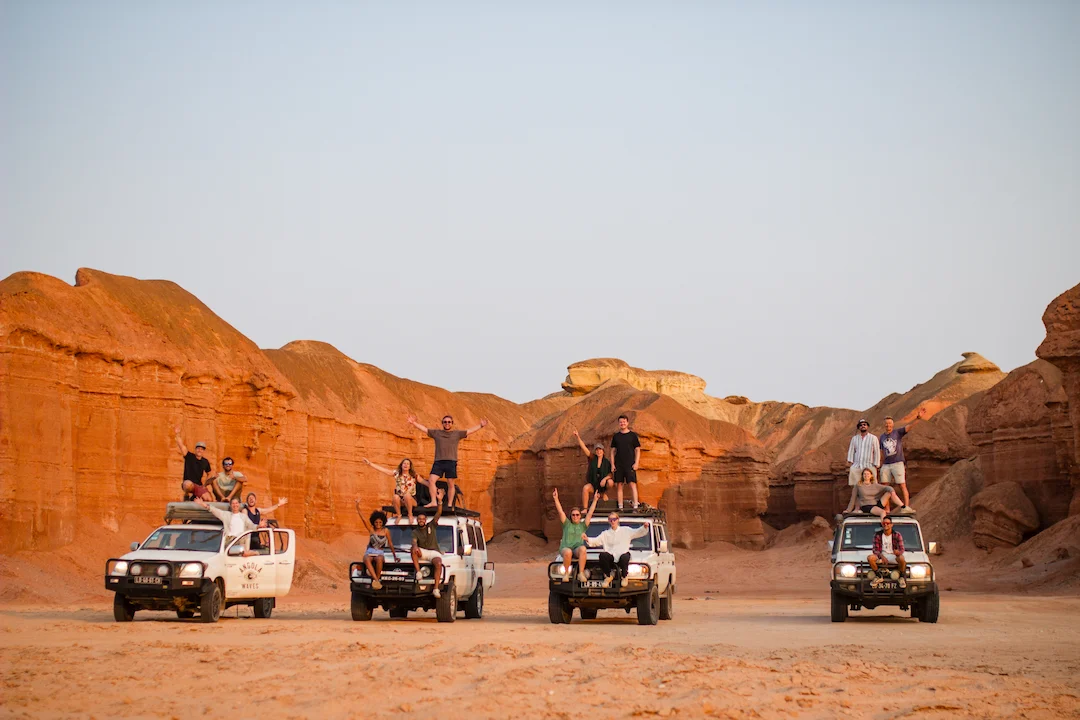
Yes, without a sturdy four-wheel drive and the necessary outdoor experience, you won't get anywhere in Namibe and Benguela. The most beautiful breaks are hidden behind sand tracks where regular cars disappear up to their axles in the sand immediately. Fortunately, we always travel with guides who know the way and the tricks of sand driving.
What about safety in the water?
- The Angolan coast is very safe. Shark incidents are virtually unknown here (only one recorded case in the last thirty years). However, you need to be sharp regarding strong rip currents and sharp rocks at the point-breaks in Benguela. Our local surf friends will tell you exactly where you can and cannot paddle out.
Can I rent a board on-site?
Short answer: no. Angola has no surf shops or rental centers on the beach. Bring your own boards, extra travel straps, wax (for cool to warm water), and a repair kit. Do you have some old wax or fins left over? Leave them with the local kids in Cabo Ledo; they will be very happy with them.
What health preparations should I take?
A yellow fever vaccination is mandatory to enter Angola (bring your yellow book!). In addition, we recommend malaria pills, especially for the nights we camp on the coast.
Discover more about Angola
Or browse through all our unique and authentic experiences
Discover the undiscovered Angola
Multi-day jungle expeditions, deep desert expeditions, canyons and fly-in camps far from civilisation,
Wild camping in Angola
Forget fenced-in campsites with numbered pitches, electricity points and a barrier that closes at ten o’clock in the evening. In Angola, you pitch your tent where the road ends and nature takes over.
Travel Story: Angola through the eyes of Pioneer Hanneke
Pioneer Hanneke takes you on a journey through Angola, from Luanda and Calandula Falls to the Namib Desert. Raw, chaotic, magical and full of stories.
Need travel advice? Ask Angola expert Anna
Fancy exploring the unknown? Our Africa experts have the answers to your burning questions.