




What to do in Marrakesh: Step right into the organized chaos
Forget standard tours. Cycle through the chaos of the medina with our guides and pull up a chair at the best street food stalls in Marrakesh.
Welcome to the enchanting city of Marrakesh
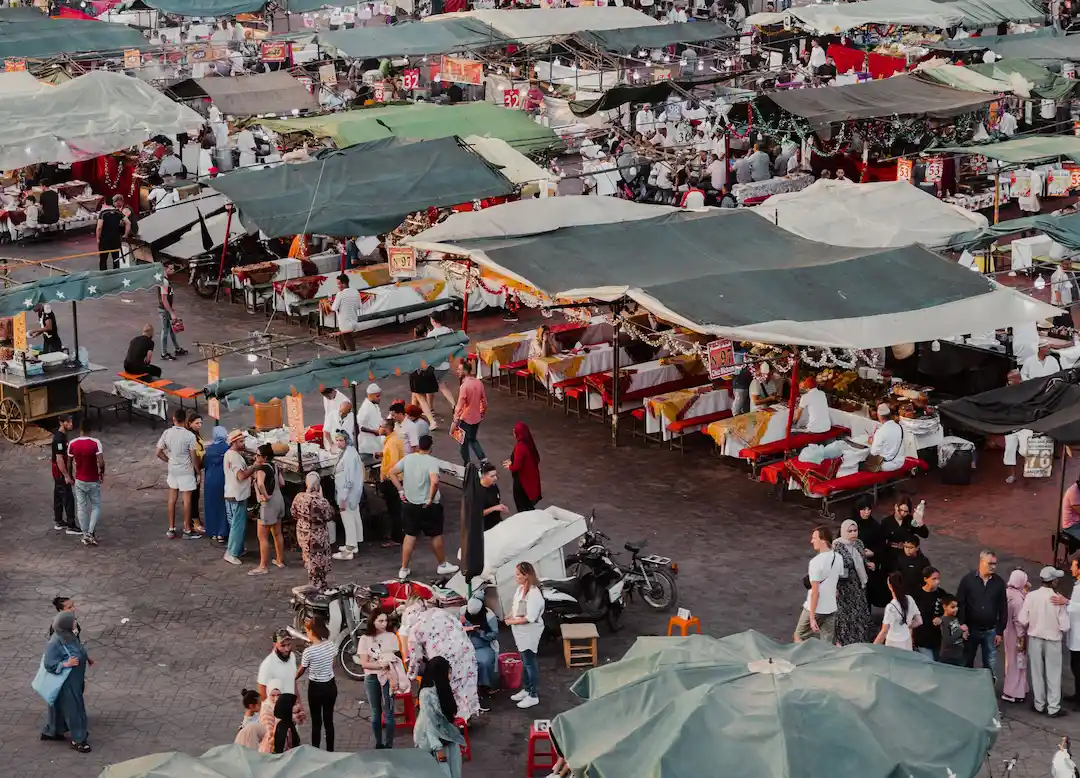
Marrakesh is not a city you watch quietly from the sidelines; you step right into it. It’s the scent of freshly ground cumin and exhaust fumes, the sound of mopeds zipping past you in the narrow alleys, and the warmth of a fresh glass of mint tea pressed into your hands. Of course, you can stand in line at the famous palaces or buy standard souvenirs in Djemaa el Fna square. But the true soul of the city is found in the corners most travelers skip. Together with our local guides, we wander behind the scenes, far away from the tour buses and the slick tourist restaurants.
“Morocco is a crazy world of rugged beauty and immense contrasts. While the average group obediently lingers in the over-stimulated city of Marrakesh, we prefer to chase you into the real wilderness. But even in the city, you can dodge the crowds. Hop on a bike or dive into the deepest alleys with a local guide. That is how you get to know Marrakesh raw, unfiltered, and authentically."
- Travel consultant Sjoerd
Activities in Marrakesh
Marrakesh isn't something you experience from a guidebook. These two experiences bring you into direct contact with the rhythm of the city and the people who live there.
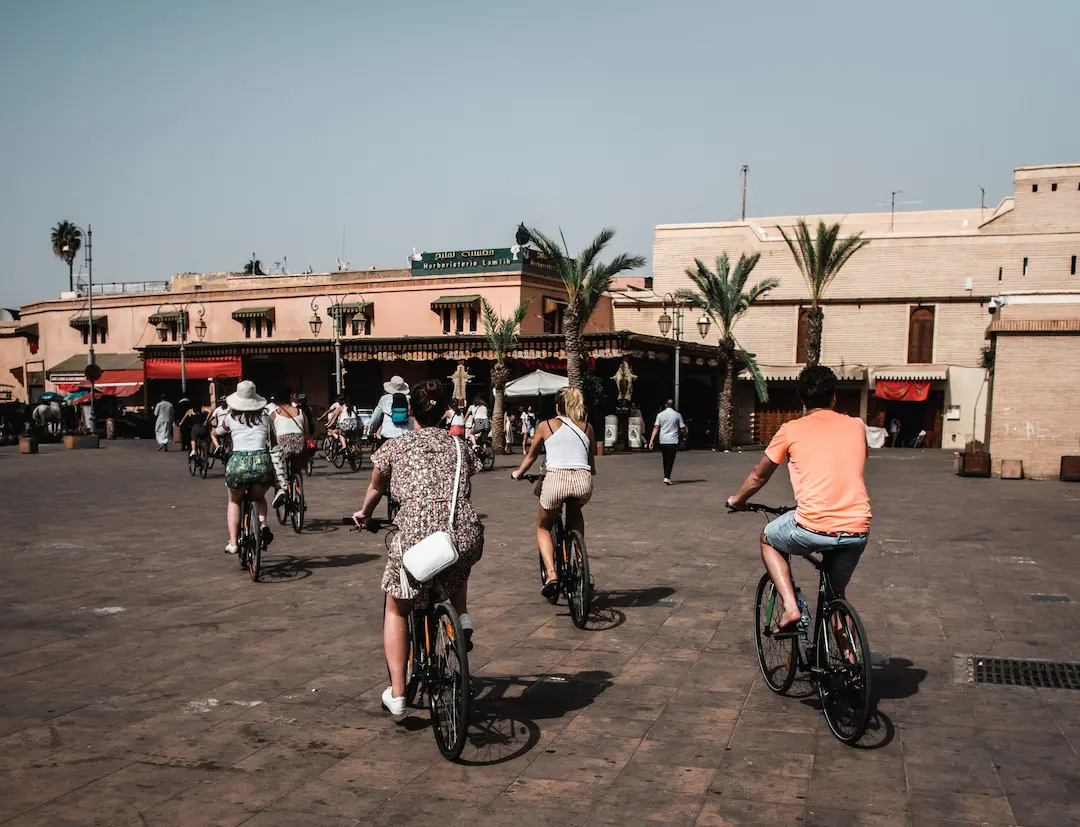
Cycling through the medina of Marrakesh with our local partner
Hop on a bike and experience Marrakesh in the most dynamic way possible. Together with our local guide, you'll maneuver through the narrow, bustling alleys of the old medina. We'll be honest: the first five minutes might feel like a game of Mario Kart, but our local partner rides these routes daily and will effortlessly guide you past hidden squares where cars simply can't fit. Along the way, we stop at our favorite spots, drink traditional mint tea, and the guide will tell you what it’s really like to grow up in this historic imperial city. No dry history lessons, just the real story of Marrakesh.
Pull up a chair in the souks: Street food as it's meant to be
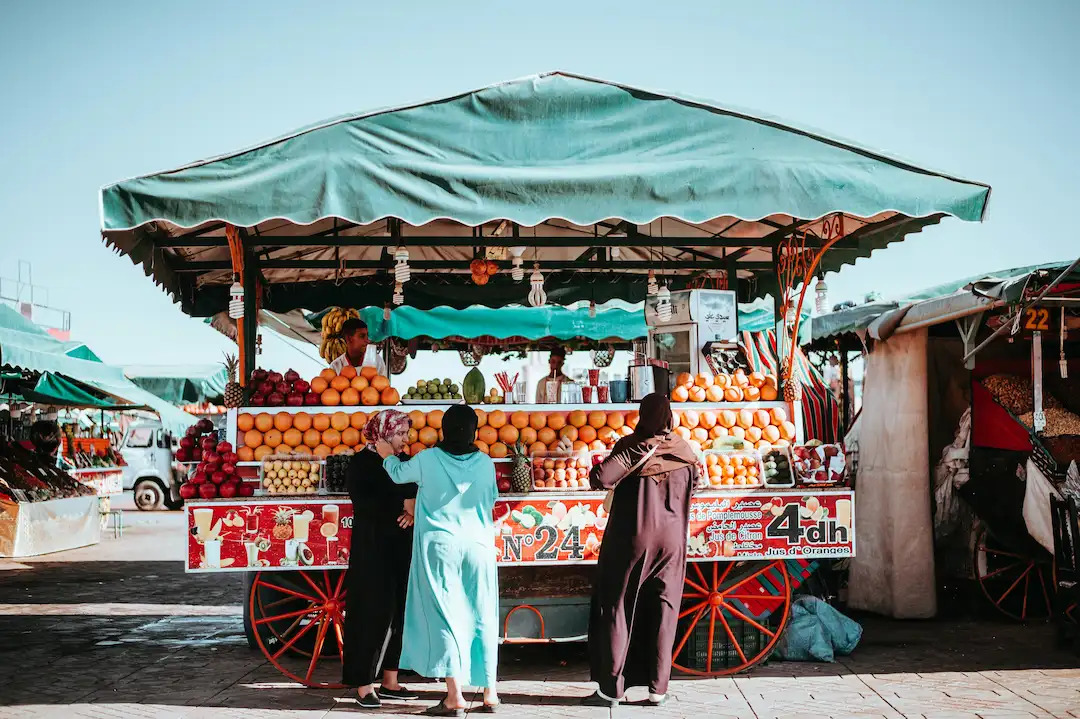
Leave the tourist menus behind and eat where the locals themselves stand in line. Our foodie guide takes you deep into the souks, to the city's hidden kitchens. No fancy set tables, just plastic chairs and steaming pans. You'll taste 'tanjia' (meat that has been slow-cooking for hours in the ashes of the local bathhouse), freshly baked 'msemen' pancakes still hot from the griddle, and marinated olives straight from the market. As you walk from stall to stall, you get to know the faces behind the food. This is the ultimate way to literally taste the city and directly support local entrepreneurs.
Charlie's way of travelling
Our team lives and works in Africa
We develop our own routes
Your trip is tailor-made by us
100% insured while travelling
Frequently Asked Questions about Marrakesh
What are the main sights in Marrakesh for a 3-day trip?
For a balanced 3-day city trip to Marrakesh, these are the five most important sights you shouldn't miss:
- Jemaa el-Fnaa: The central square, known for its lively evening market, street performers, and food stalls.
- Jardin Majorelle & Musée Yves Saint Laurent: A botanical garden featuring the iconic cobalt-blue villa, combined with the adjacent fashion museum.
- Bahia Palace: A 19e-century palace complex that showcases the pinnacle of Moroccan and Islamic architecture and mosaic art (zellij).
- The Souks of the Medina: A historic maze of trade markets, specifically divided by craft, such as leather goods (Souk Cherratine) and spices (Souk El Attarine).
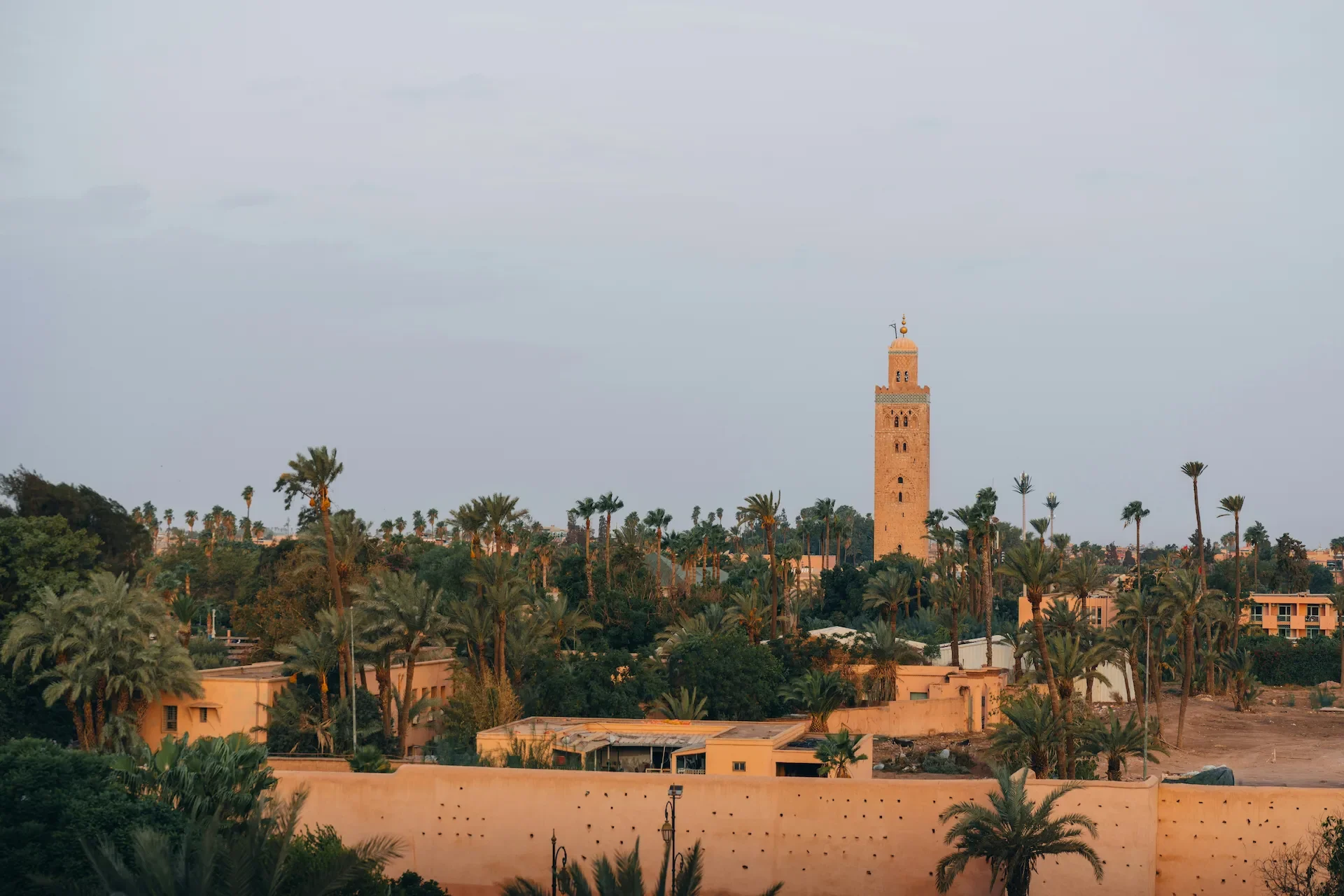
- Koutoubia Mosque: The largest mosque in Marrakesh with a 77-meter-high minaret, which serves as the city's navigational landmark.
What is the best time to travel to Marrakesh to avoid extreme heat?
The best time to travel to Marrakesh is in the spring (March to May) and autumn (September to November). During these periods, temperatures range between 22°C and 28°C, which is ideal for city trips and outdoor activities.
What is the difference between a hotel and a riad in Marrakesh?
The difference between a traditional hotel and a riad in Marrakesh lies in the architecture, scale, and cultural experience:
- Architecture: A riad is a traditional Moroccan townhouse or palace with an interior garden or courtyard (atrium) that all rooms face. The exterior is often austere, while the interior is richly decorated. A hotel has a Western, linear structure with rooms that face outward.
- Location: Riads are almost exclusively located inside the walls of the historic old city (the Medina). Large hotels and resorts are usually found in modern districts like Guéliz or Hivernage.
- Scale and Atmosphere: A riad is small-scale (usually 4 to 10 rooms), offers plenty of privacy, and focuses on an authentic, personal experience. Hotels are larger and often offer facilities like big swimming pools and fitness centers.
How many days do you need to discover Marrakesh?
To discover the essential sights of Marrakesh, 3 full days (4 nights) is the ideal duration. This timeframe offers a good balance between culture, logistics, and relaxation.
What should you watch out for in terms of dress codes and culture in Marrakesh?
Marrakesh is an Islamic city where tradition and modernity meet. To show respect for the local culture and minimize unwanted attention, follow these guidelines:
- Dress codes (public spaces): Cover at least your shoulders and knees. This applies to both men and women. Loose-fitting clothing is recommended.
- Clothing at religious sites: Access to active mosques is generally prohibited for non-Muslims. Modest clothing is mandatory for historic madrasas.
- Photography etiquette: Always ask for permission before photographing residents, artisans, or performers.
- Alcohol consumption: Alcohol is legally restricted to licensed bars, restaurants, and hotels, and must never take place on the street.
Discover more in Morocco
Or browse through all our unique and authentic experiences

Need travel advice? Ask our Morocco expert Sjoerd
Hungry for the unknown? Our Africa experts have the answers to your burning questions.