Northern Zambia & Lake Tanganyika: The Wild Frontier

Bumpy dirt tracks, ancient waterfalls, and cold beers by the world’s deepest lake. This is Zambia without the crowds.

Welcome to the Untamed North of Zambia

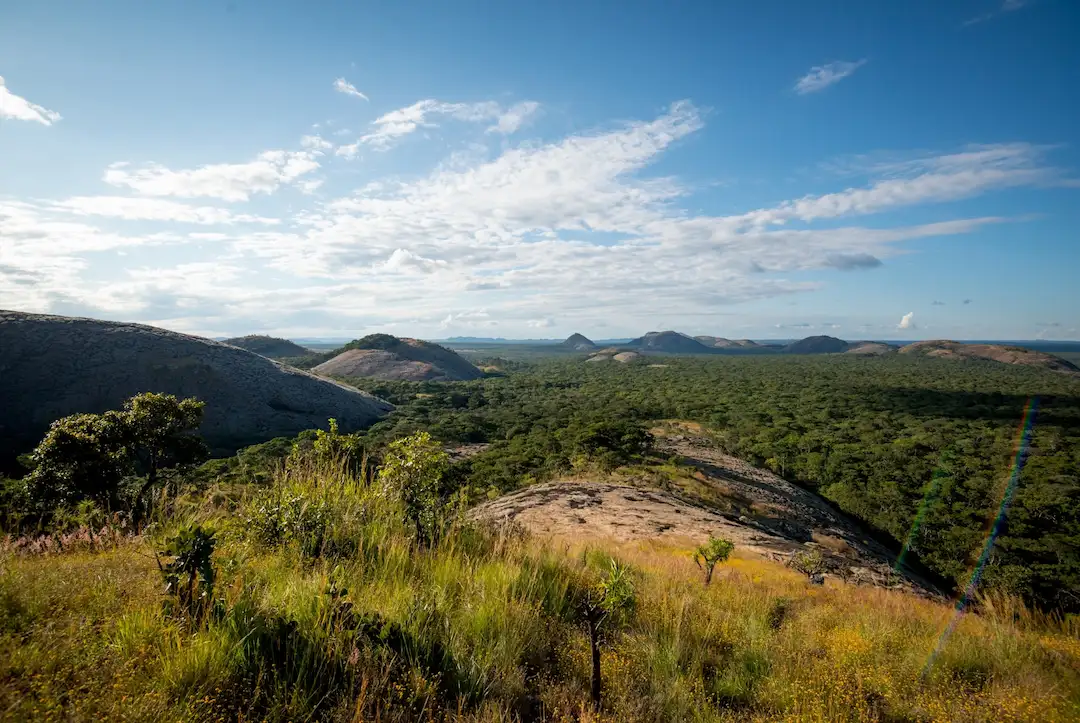
Northern Zambia doesn't do manicured, sit-in-a-jeep safaris. It’s a massive, rugged playground where the roads are long and dusty, but the reward is a feeling of raw discovery that is hard to find anywhere else on the continent. Our team spent weeks navigating the bumpy tracks from the spectacular granite inselbergs of Mutinondo to the pristine shores of Lake Tanganyika.

Along the way, we soaked in natural hot springs, shared stories around wood-fires with our local partners, and realized this is what African travel is supposed to feel like. You won’t find tourist crowds here. Just pure wilderness, ancient histories, and communities that welcome you with real, unpolished warmth.

Activities in North Zambia & Lake Tanganyika

Get ready to ditch the tourist trail and dive headfirst into wild landscapes alongside the locals who call them home.

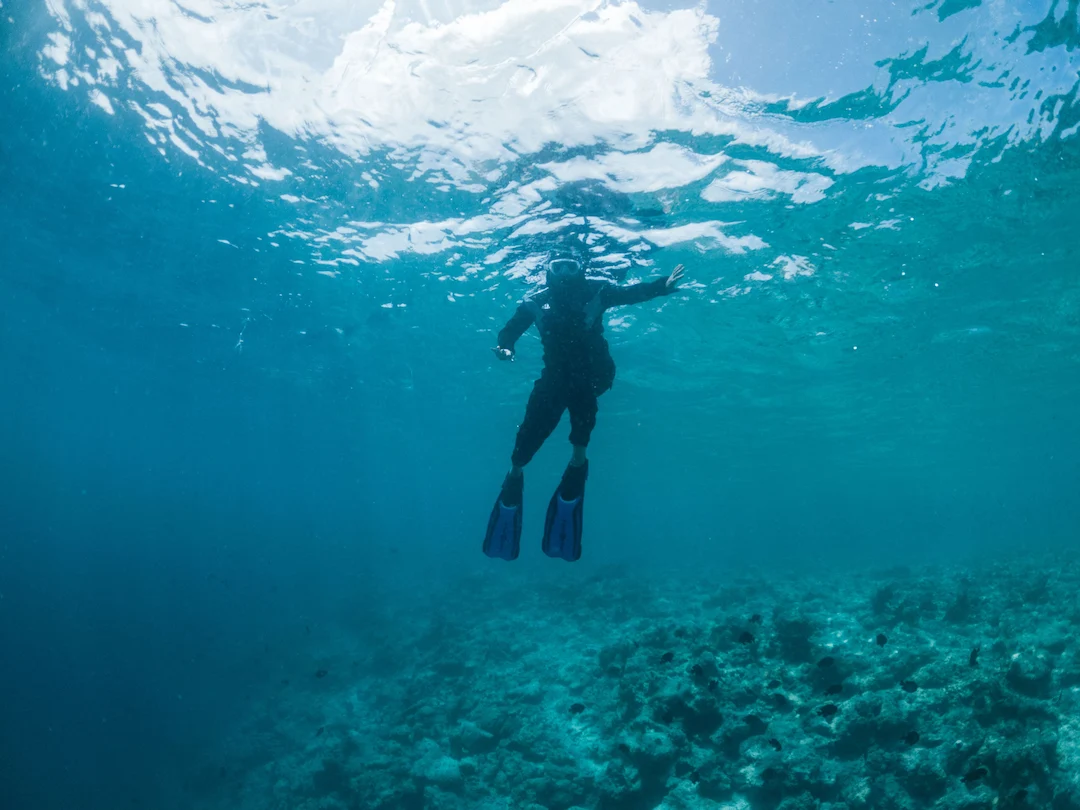
Snorkel with Cichlids in Lake Tanganyika

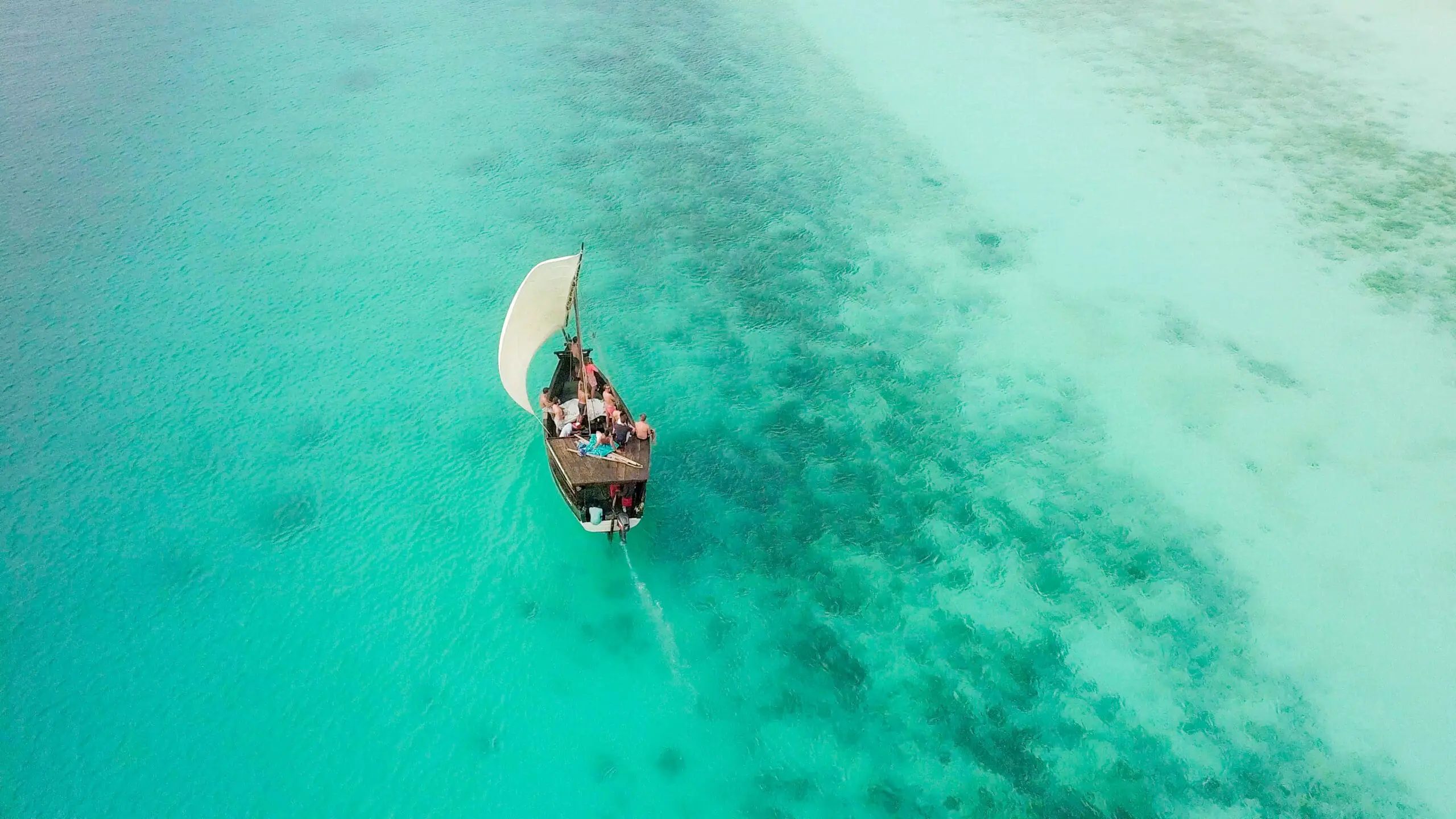
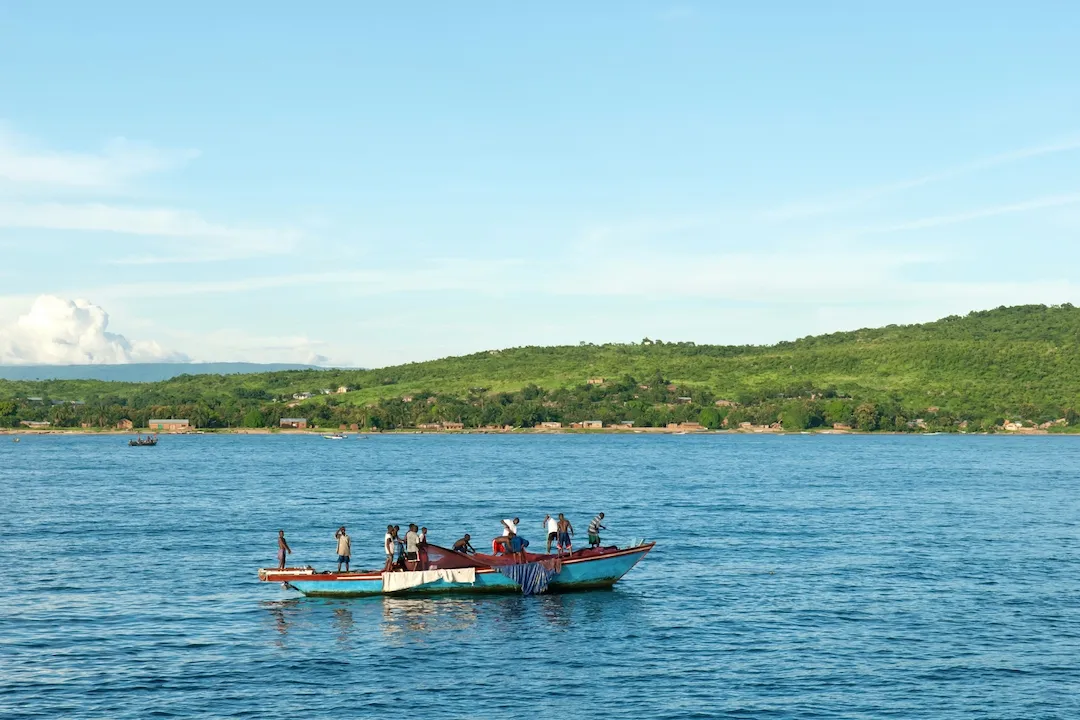
Climb aboard a traditional wooden boat and head out onto what looks like an ocean but is actually the longest freshwater lake on Earth. Alongside our local partner who has spent their entire life navigating this massive inland sea, and even helped build the lakeside lodge from the sand up you'll sail to isolated, rocky coves.

Strap on your snorkel and dive into crystal-clear water to swim among hundreds of brightly colored, endemic cichlid fish found nowhere else on earth. Afterward, dry off on the deck with a cold Mosi beer while your host explains the delicate balance of this aquatic wilderness.

Hike the Granite Domes of Mutinondo Wilderness

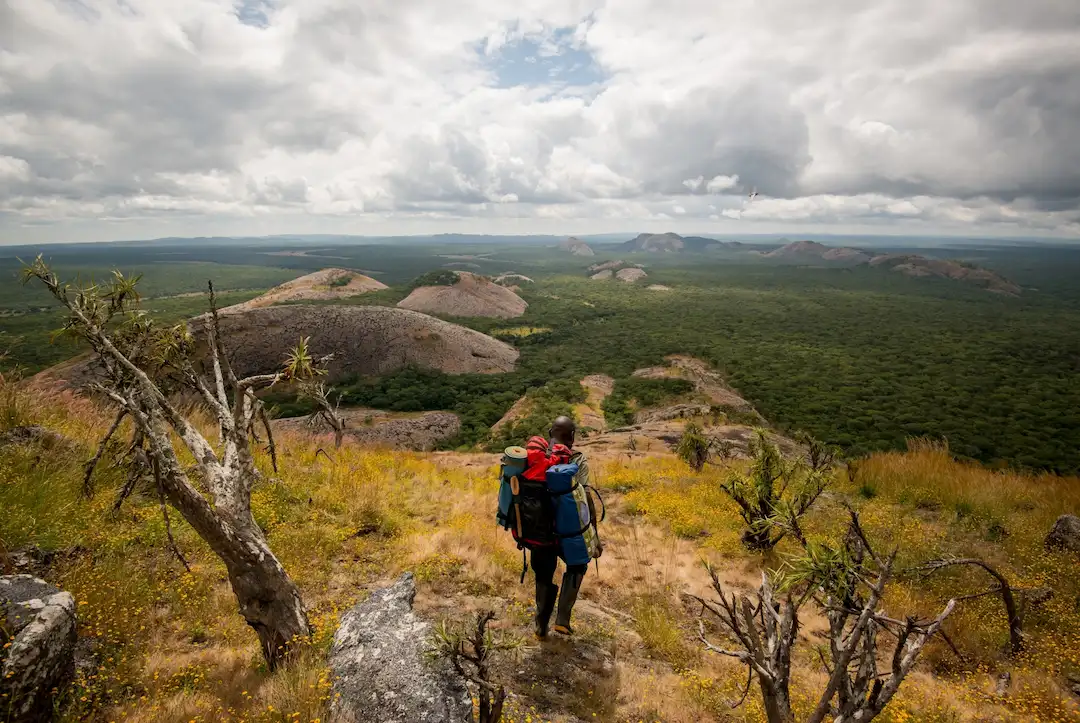
Tie your boots and head out into the ancient miombo woodland alongside a local partner who grew up exploring these forests and knows every hidden trail. Mutinondo is a maze of giant, smooth granite inselbergs that rise out of the forest canopy like sleeping giants.

You'll scramble up the warm rock of the Mayense dome just in time to see the sunset turn the endless wilderness below a deep shade of copper. There are no fences, no signs, and no other travelers. Along the way, your partner will show you the exact mountain streams where you can safely scoop up sweet, ice-cold water to drink straight from your hands.

Soak in Kapishya Hot Springs

After a long, bumpy day navigating the dirt roads, slip into the natural, sulfur-free thermal waters of Kapishya. Hidden beneath a dense canopy of lush raffia palms and giant ferns on the Shiwa Ng'andu estate, this natural pool is kept perfectly warm by the earth. Here, you'll meet the local host whose family has run this wild paradise for generations.

As you soak away the road dust, they’ll pour you a cold drink and share personal stories of growing up in the Zambian bush, raising children in the wild, and protecting this remote oasis.

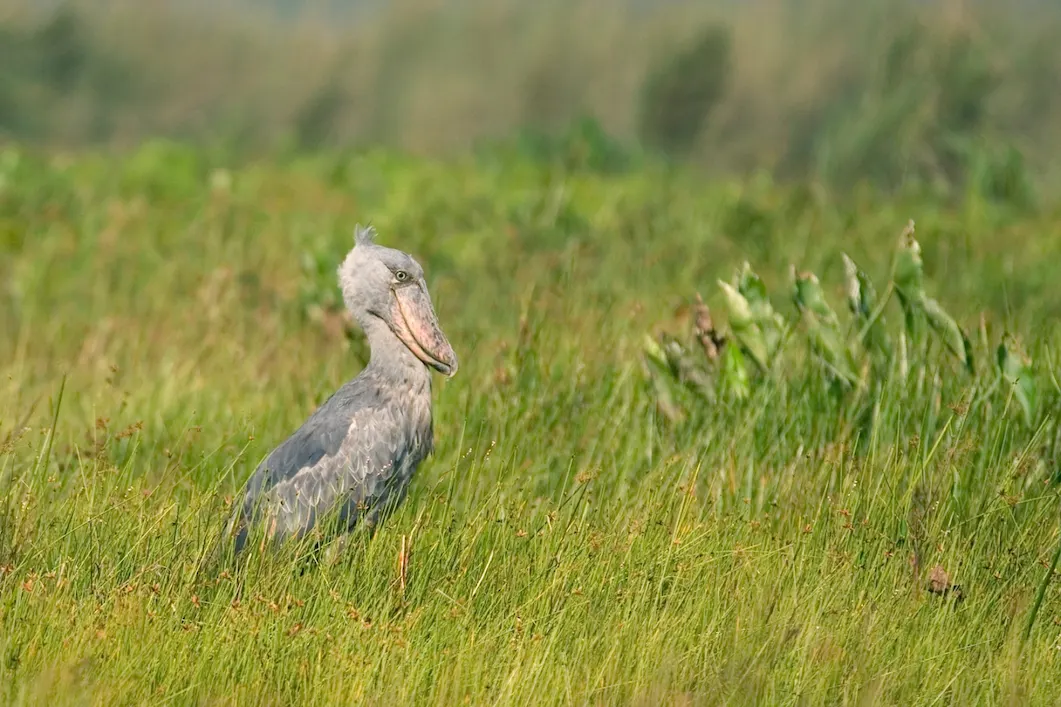
Spotting the Prehistoric Shoebill at Lake Bangweulu

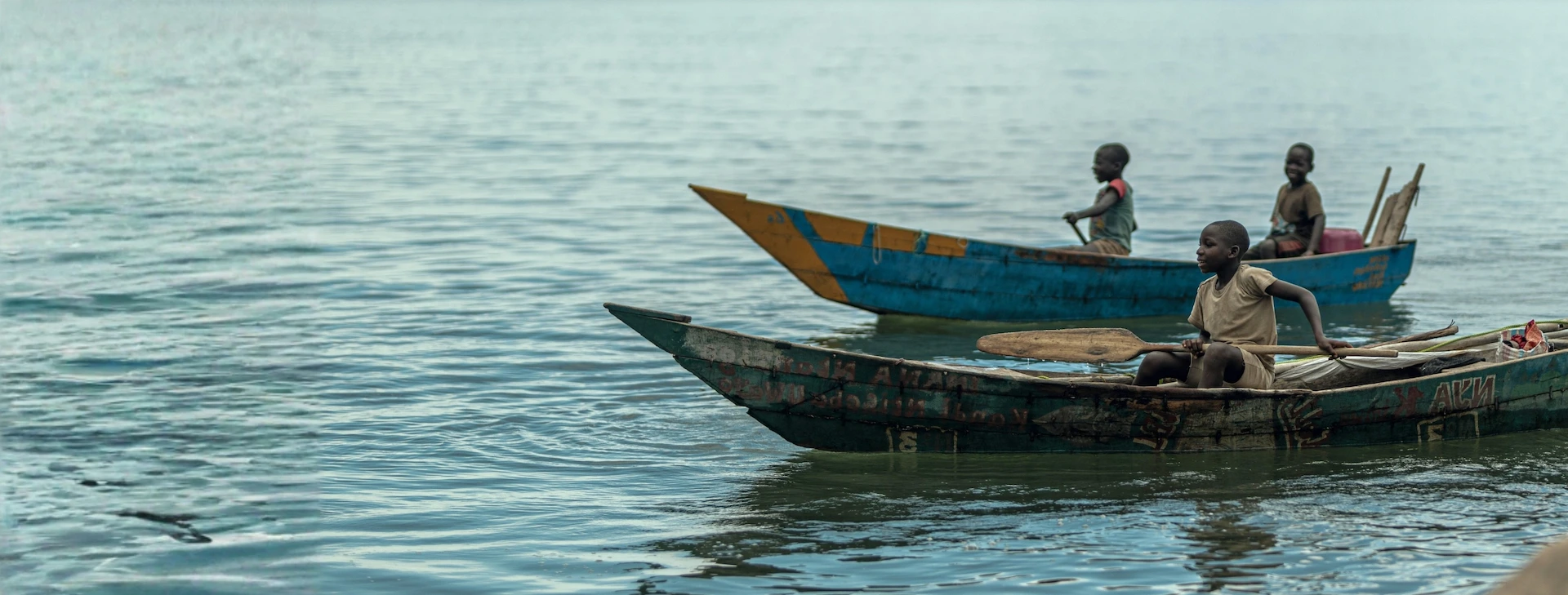
Wake up before dawn and hop into a wooden dugout canoe. A local fisherman, who has read the currents and papyrus maze of these wetlands since childhood, will glide you silently through the tall reeds of the Bangweulu Swamps.

In this vast watery wilderness that feels like the edge of the world, patience is key. With a lifetime spent on these waters, the local fisherman knows exactly where to look as you search the shallows for the prehistoric, almost cartoonish silhouette of the rare Shoebill stork. It's a quiet, intense encounter with one of Africa’s most elusive birds.

Sunset Dhow Cruise on Lake Tanganyika

Step onto the creaking deck of a hand-built wooden dhow just as the afternoon heat begins to break. Together with a local partner who knows every shift in the lake's winds, you'll slide out onto the deep water. As the canvas sail catches the breeze, you'll pass small wooden canoes where fishermen are busy trimming the wicks of their paraffin lamps, getting ready for a night of Kapenta fishing.

The soft murmur of their songs drifts over the water. Pop open a cold Mosi beer, feel the cool spray on your skin, and watch the jagged silhouettes of the Congolese mountains across the lake turn a dusty purple against a copper sky.

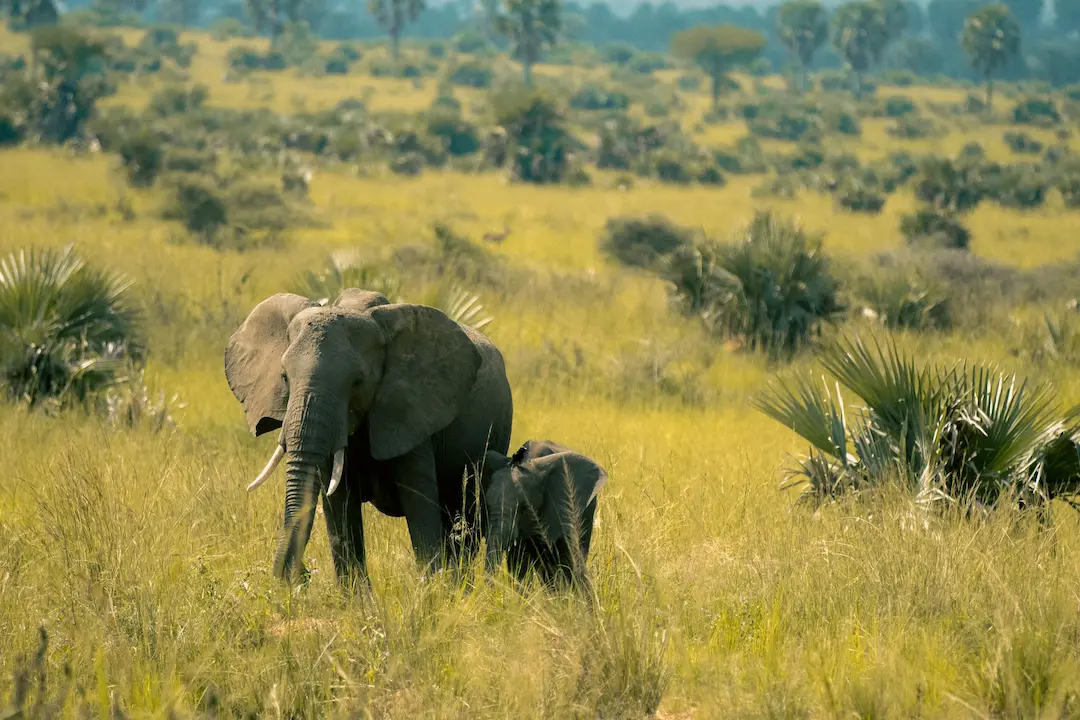
Walking Safari in Nsumbu National Park

Step out of the vehicle and feel the sand crunching beneath your boots where the dense African miombo bush directly meets the shoreline of Lake Tanganyika.

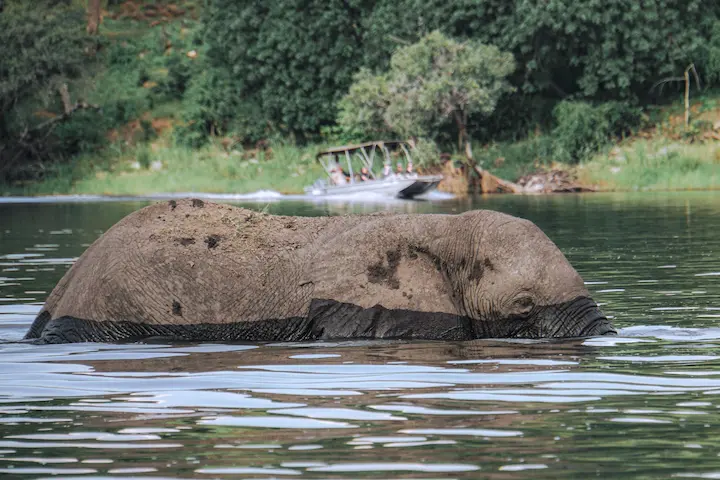
This is one of the country's most isolated corners, where elephants and buffaloes frequently walk right down to the water's edge. Alongside a local partner who grew up along these shores, you’ll track fresh hoofprints and heavy footprints pressed into the wet sand. You'll stop to listen to the piping call of fish eagles overhead and scan the bays where elephants occasionally come down to splash and cool off in the shallows. It’s a dusty, slow-paced march through a coastal wilderness where you leave the engines behind.

Stand on the Edge of Kalambo Falls

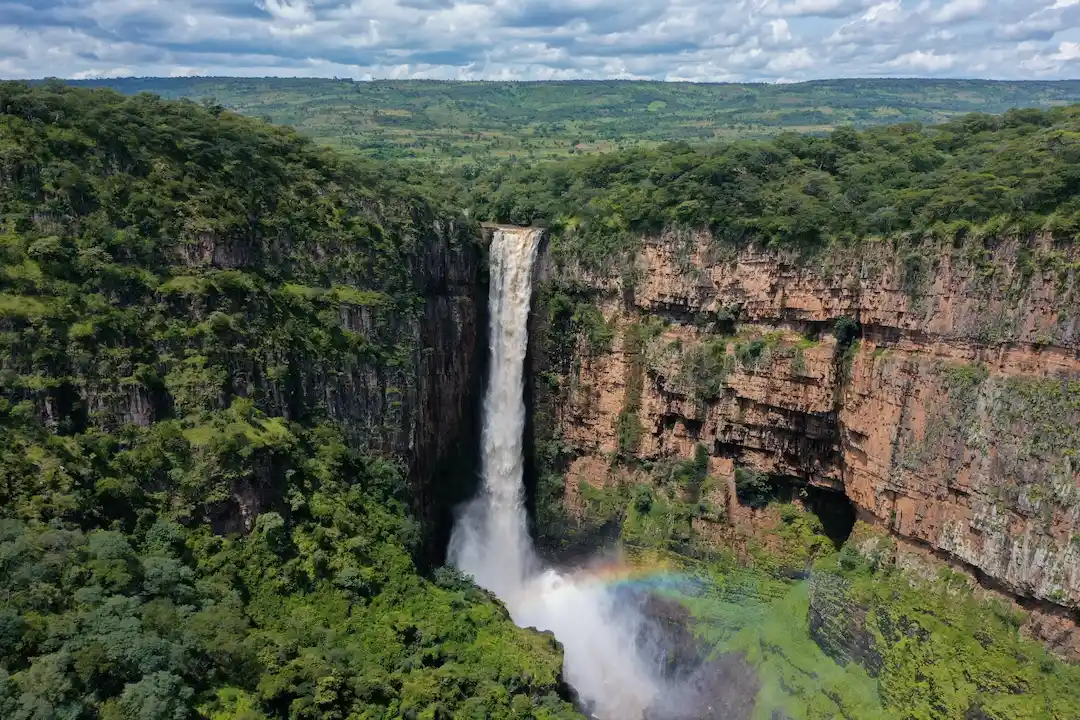
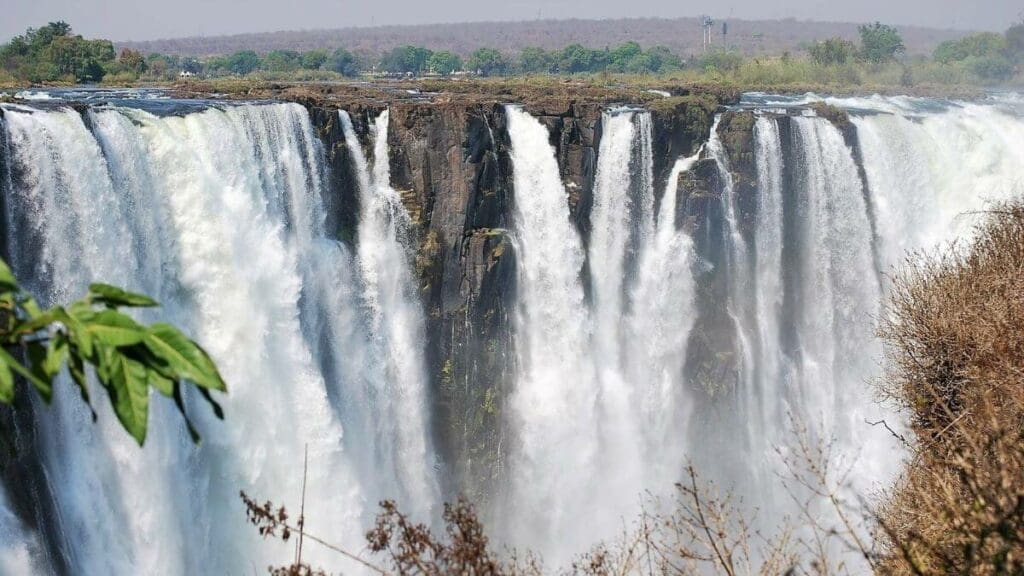
Walk through the quiet forest on the border of Zambia and Tanzania with a partner who grew up in the nearby village and has spent decades listening to the thunder of these waters. Together, you'll walk until the ground suddenly drops away. Here, the Kalambo River plunges an uninterrupted 221 meters into a deep, prehistoric gorge that’s twice the height of Victoria Falls, but without a single souvenir stall, guardrail, or tourist crowd in sight.

Our partner will guide you to a hidden, rocky viewpoint to feel the cool spray on your face, pointing out the nesting ledges of rare Marabou storks on the sheer cliffs.

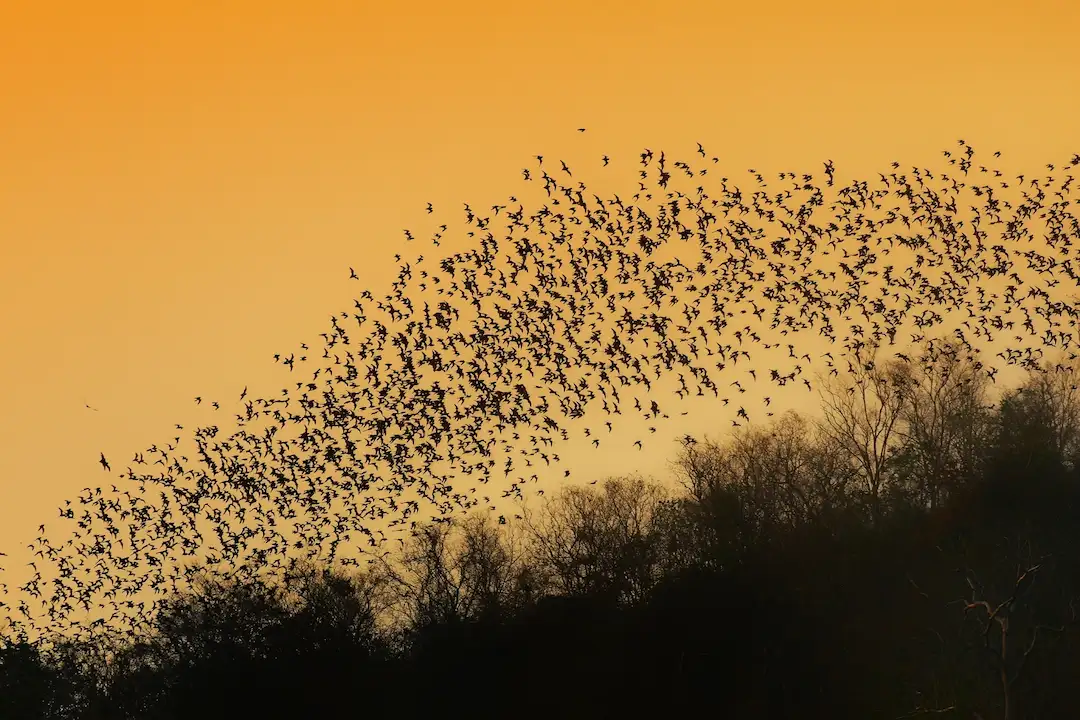
Witnessing the Kasanka Bat Migration

Travel to Kasanka National Park between late October and December to experience the largest mammal migration on earth. During these weeks, roughly ten million straw-colored fruit bats congregate in a tiny patch of swamp forest.

Climb up to a viewing platform built high in the tree canopy at dusk or dawn. You will watch the sky turn black as millions of bats take flight simultaneously to forage. The sensory impact of the migration: the continuous movement, rushing sound of wings, the high-pitched chattering, and the scale of the movement, it’s an intense, raw experience of nature in motion.

Our team lives and works in Africa

We develop our own routes

Your trip is tailor-made by us

100% insured while travelling

All frequently asked questions about Northern Zambia and Lake Tanganyika

Why should I choose Northern Zambia over the standard Southern tourist loops?

While places like Victoria Falls and South Luangwa are magnificent, they are highly touristy. Northern Zambia offers a truly raw, wild, and exclusive adventure. Here, you get to explore dramatic highlands, ancient waterfalls, and a massive inland freshwater sea with almost zero other travelers around. It’s perfect for those who want an authentic journey of discovery off the beaten track.

When is the best time to visit Lake Tanganyika and the North?

The absolute best time is during the dry season, from May to October. The days are pleasantly warm, the nights are cool and crisp, and road travel is much easier. Wildlife is also easier to spot as animals gather around water sources. The green season (November to April) is beautiful and lush, but some dirt roads can become very challenging.

Is Lake Tanganyika safe for swimming and snorkeling?

Yes, but you must know where to go. Sandy beach areas and rocky shorelines around Ndole Bay and the national park boundaries are free of crocodiles and hippos, making them incredibly safe and wonderful for swimming, snorkeling, and diving. However, you should always consult our local guides before jumping in, as they know the water’s patterns perfectly.

How do we travel around this remote northern region?

Northern Zambia is vast, and the roads can be rugged. We travel in robust, fully equipped 4x4 vehicles driven by experienced local guides who double as mechanics. For those short on time, we can also organize charter flights to remote airstrips near Lake Tanganyika, allowing you to fly over the wild landscapes and land right on the adventure’s doorstep.

Do I need malaria medication and specific vaccinations?

Yes. Northern Zambia is a malaria-risk area, so taking prophylactics is highly recommended, along with using mosquito repellent (DEET) and sleeping under nets. You will also need standard vaccinations like DTP and Hepatitis A. A Yellow Fever vaccination certificate is required if you are entering Zambia from a country where Yellow Fever is endemic. Always consult your travel clinic beforehand.

Discover more in Zambia

Victoria Falls: Zambia or Zimbabwe?
Experience

Victoria Falls: Zambia or Zimbabwe?

On the border of Zimbabwe and Zambia lie Africa’s widest waterfalls: a curtain of water over 1,700 metres wide and…

Discover this experience
Lower Zambezi & Zambezi River
Experience

Lower Zambezi & Zambezi River

Discover Victoria Falls and Livingstone in Zambia. Camp under the stars in the Batoka Gorge, take a mokoro trip or…

Discover this experience
Western Zambia & Liuwa Plains
Experience

Western Zambia & Liuwa Plains

Discover Liuwa Plains, Africa's hidden wildebeest migration, pristine wild dog territories, and the legendary story of Lady Liuwa on an…

Discover this experience