Dakar, Senegal: Africa's westernmost city and one of its most exciting
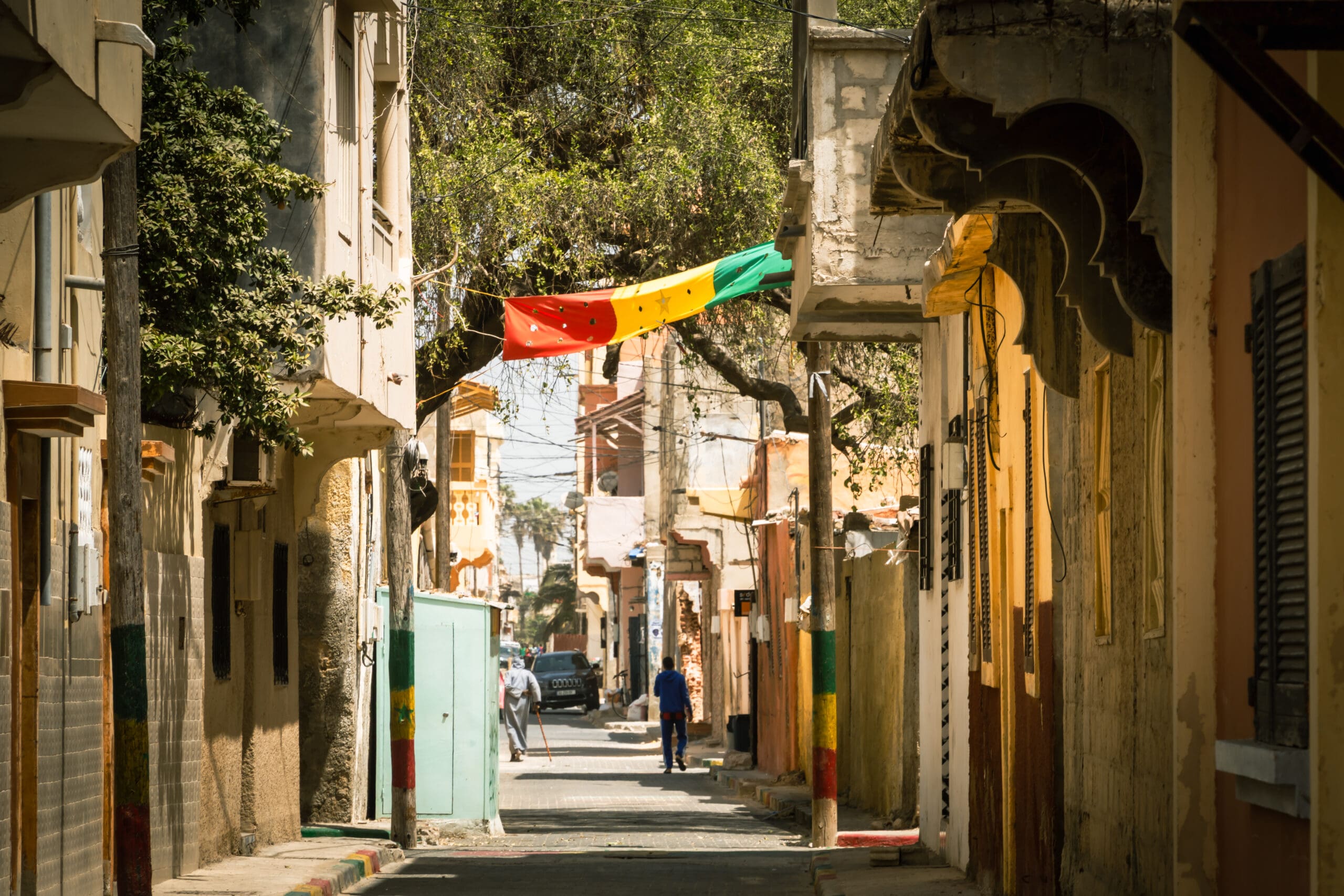
Dakar hits you immediately: ocean on three sides, the smell of grilled fish and incense, the roar of minibus-taxis and the energy of a city that never quite slows down. Gritty, beautiful and endlessly surprising.
Dakar: The city at the edge of Africa
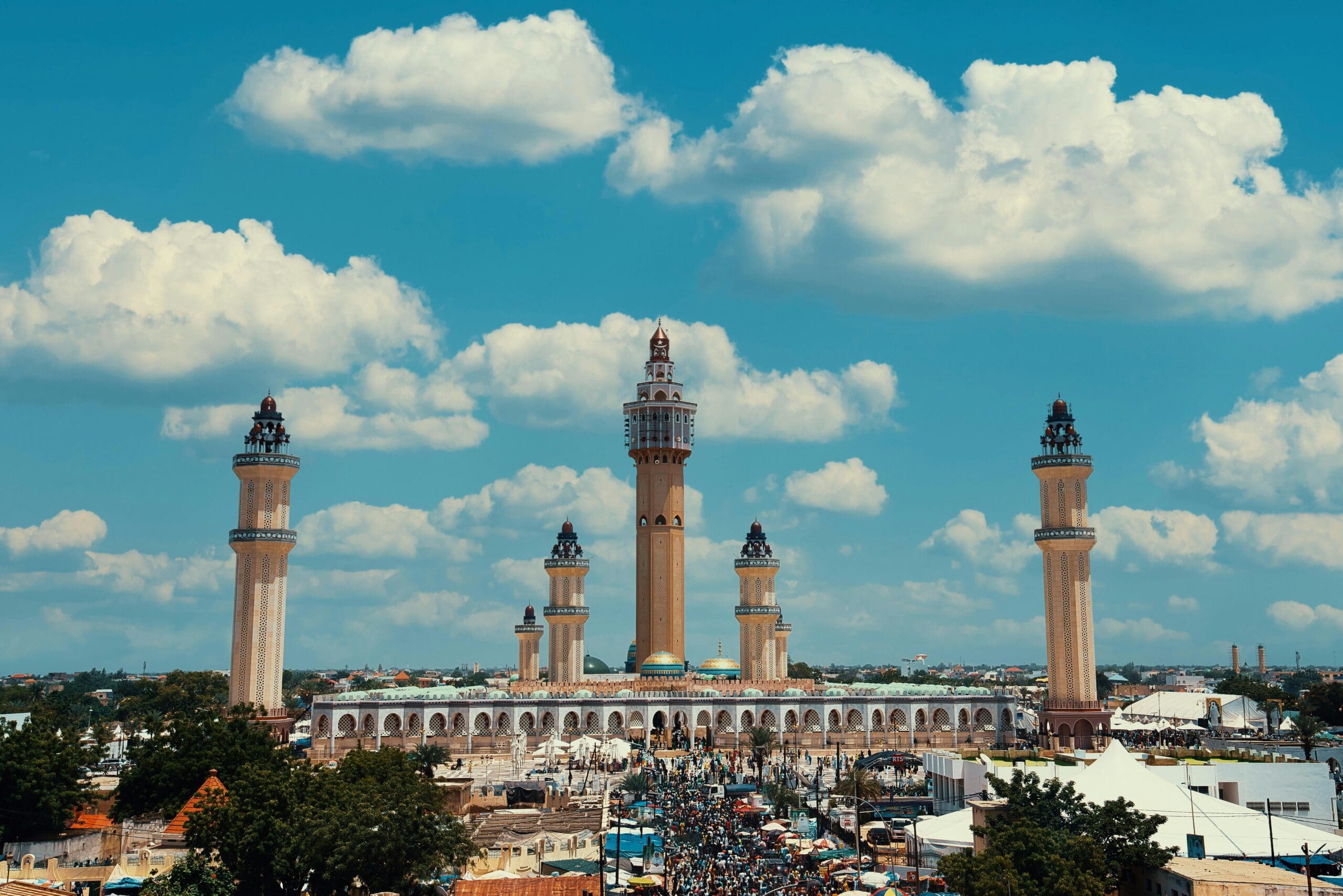
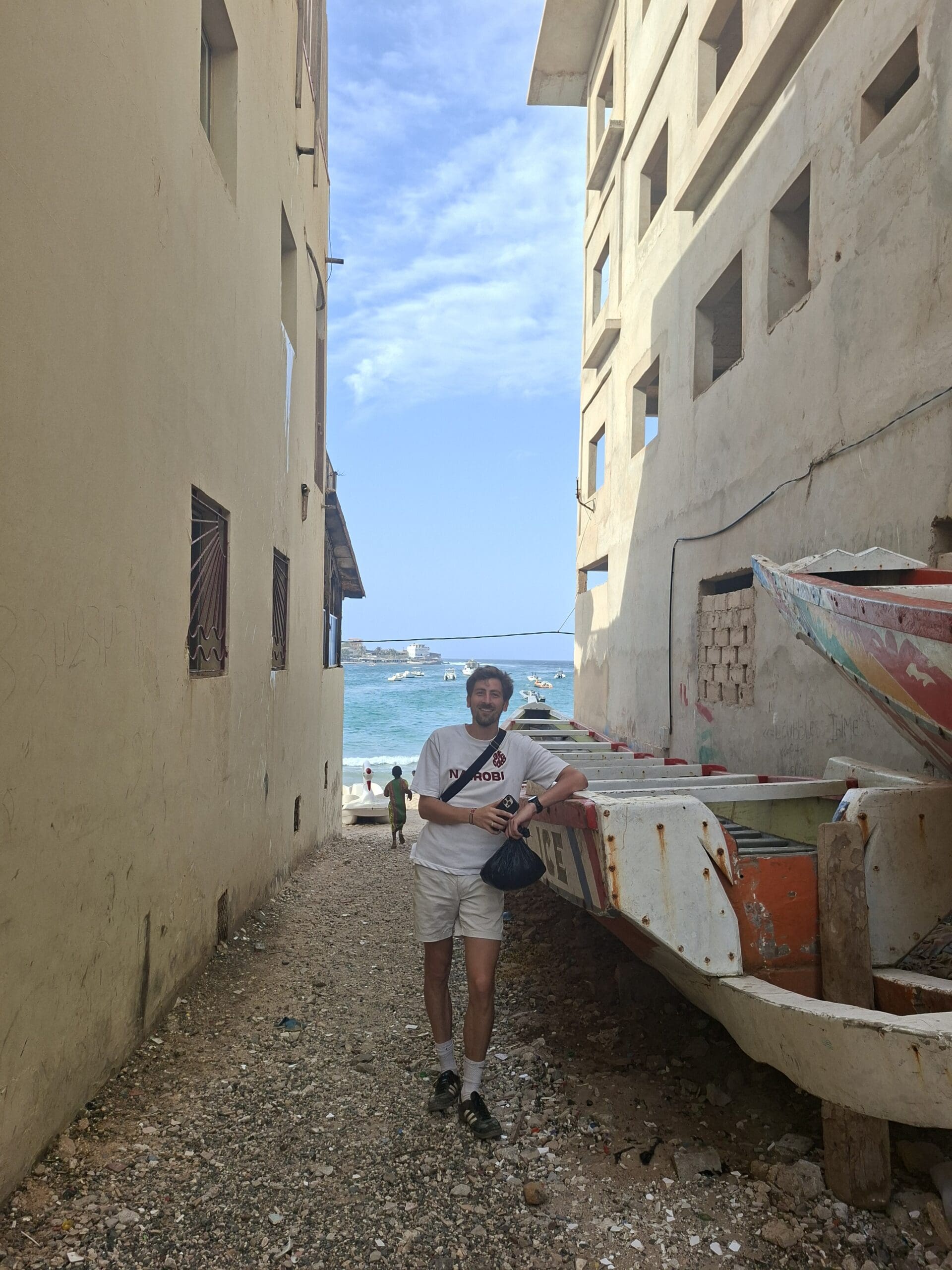
Perched on the Cap-Vert peninsula, the westernmost point of mainland Africa, Dakar is a city of contrasts. Grand colonial boulevards give way to chaotic market streets. Ultra-modern art museums sit beside crumbling apartment blocks draped in colourful laundry. The call to prayer drifts over beach bars where cold Flag beers sweat in the Atlantic breeze. Dakar can feel overwhelming at first, but beneath the noise is a city with a genuine soul: creative, fiercely proud and surprisingly welcoming.
Activities in Dakar
Whether you're after history, art, nightlife or simply good food and sea air, Dakar delivers.
The history of Ile de Goree
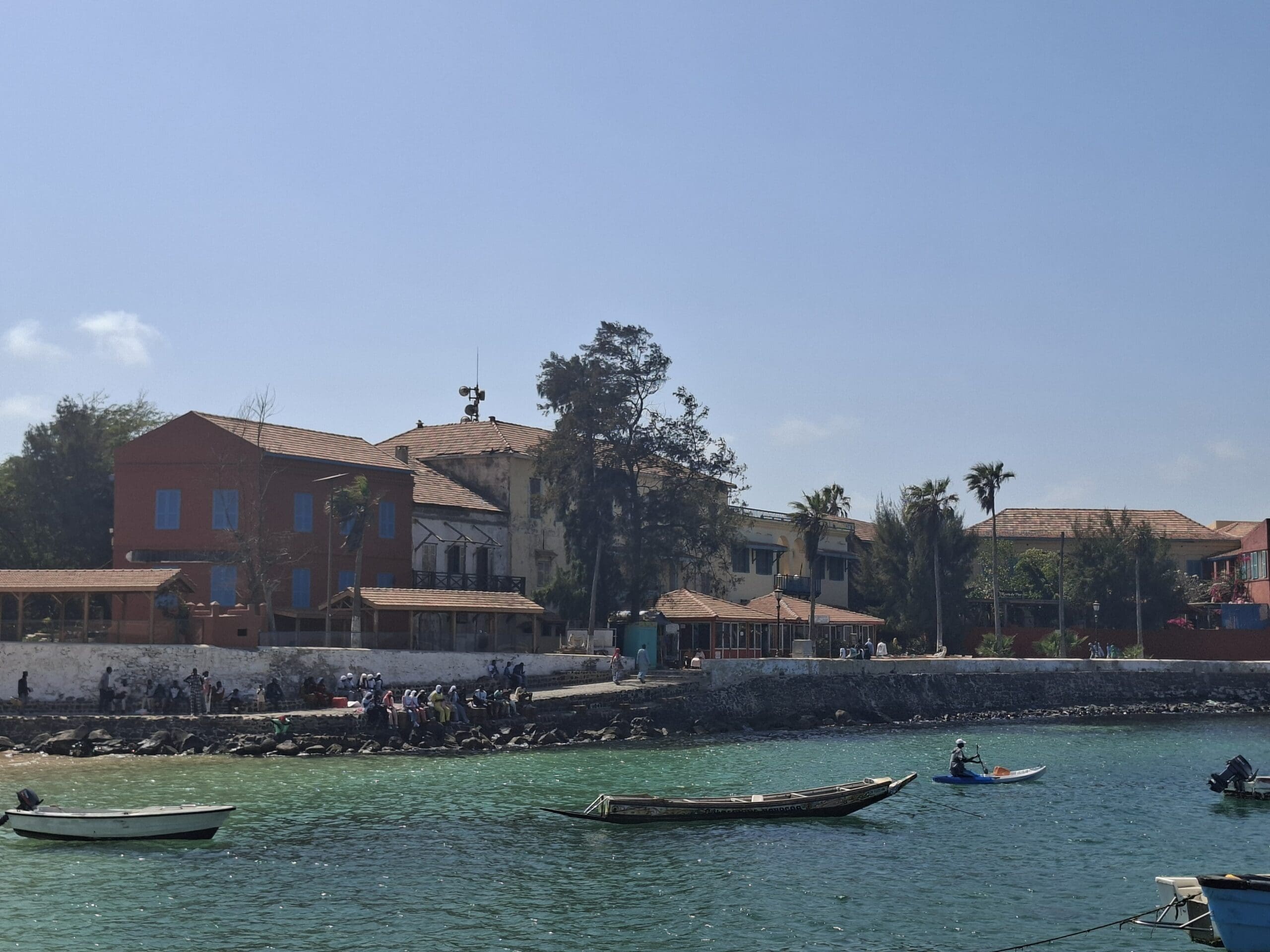
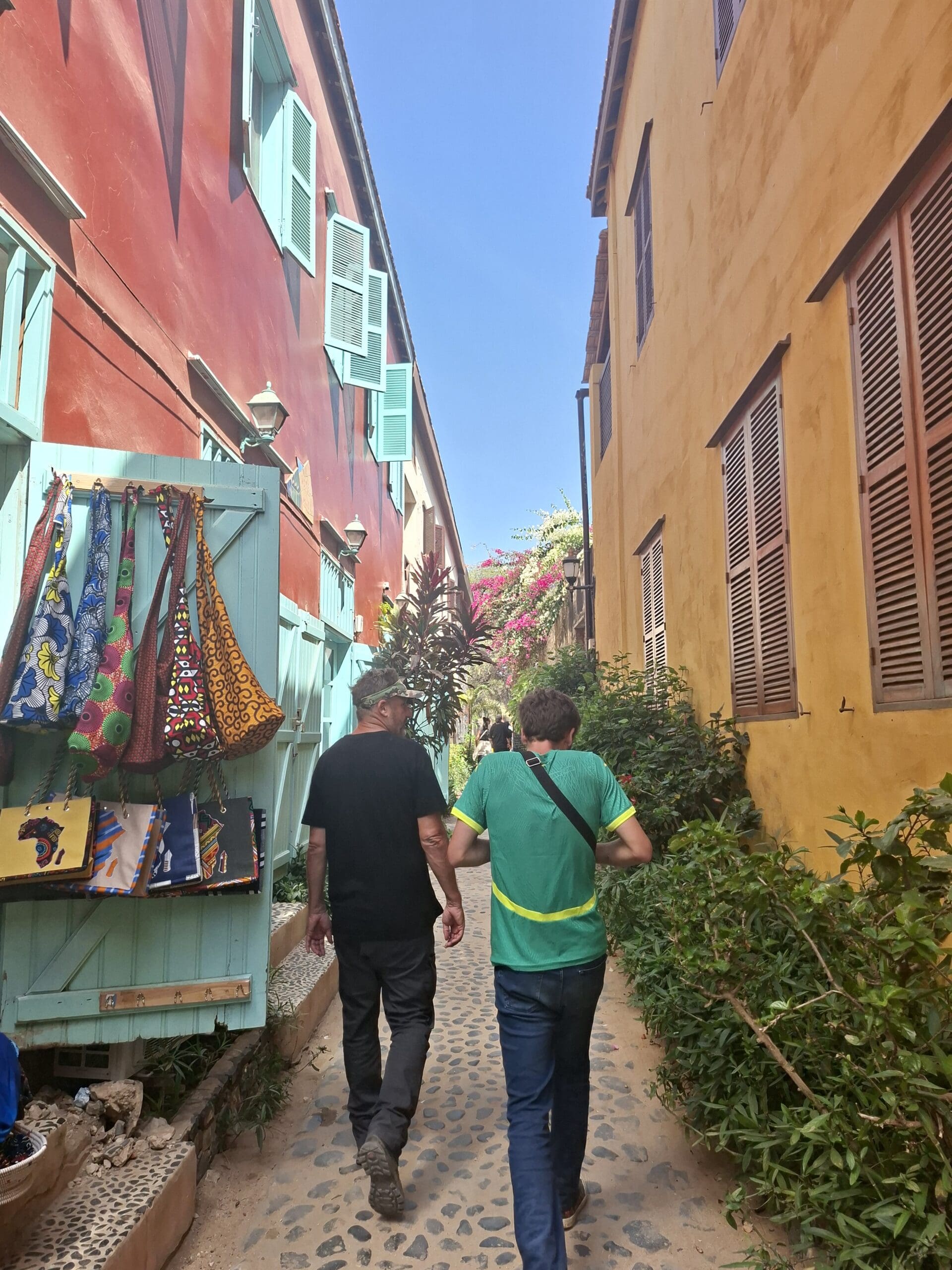
Just a 20-minute ferry ride from Dakar's port lies one of the most thought-provoking places in West Africa. Ile de Goree (whose name is thought to derive from the Dutch 'Goede Reede' (good harbour), while in Wolof the island carries connotations of dignity) is tiny: just 900 metres long and 300 metres wide. Yet for centuries it was a major hub in the transatlantic slave trade, and a deeply moving memorial to that history remains at its heart. The island is car-free and bicycle-free; everything moves on foot across cobbled lanes and grand renovated colonial houses painted in three colours: red (Portuguese), yellow (Dutch) and white (French), each shade a quiet marker of which European power held sway at the time. The island's roughly 2,000 residents are almost all Muslim, with a small Christian community and both a mosque and a church side by side. There is only a primary school and no hospital; daily life here is deliberately unhurried. Wander the lanes, visit the Slave House and its Door of No Return, and give yourself time to sit with what you find.
Visit the African Renaissance Monument
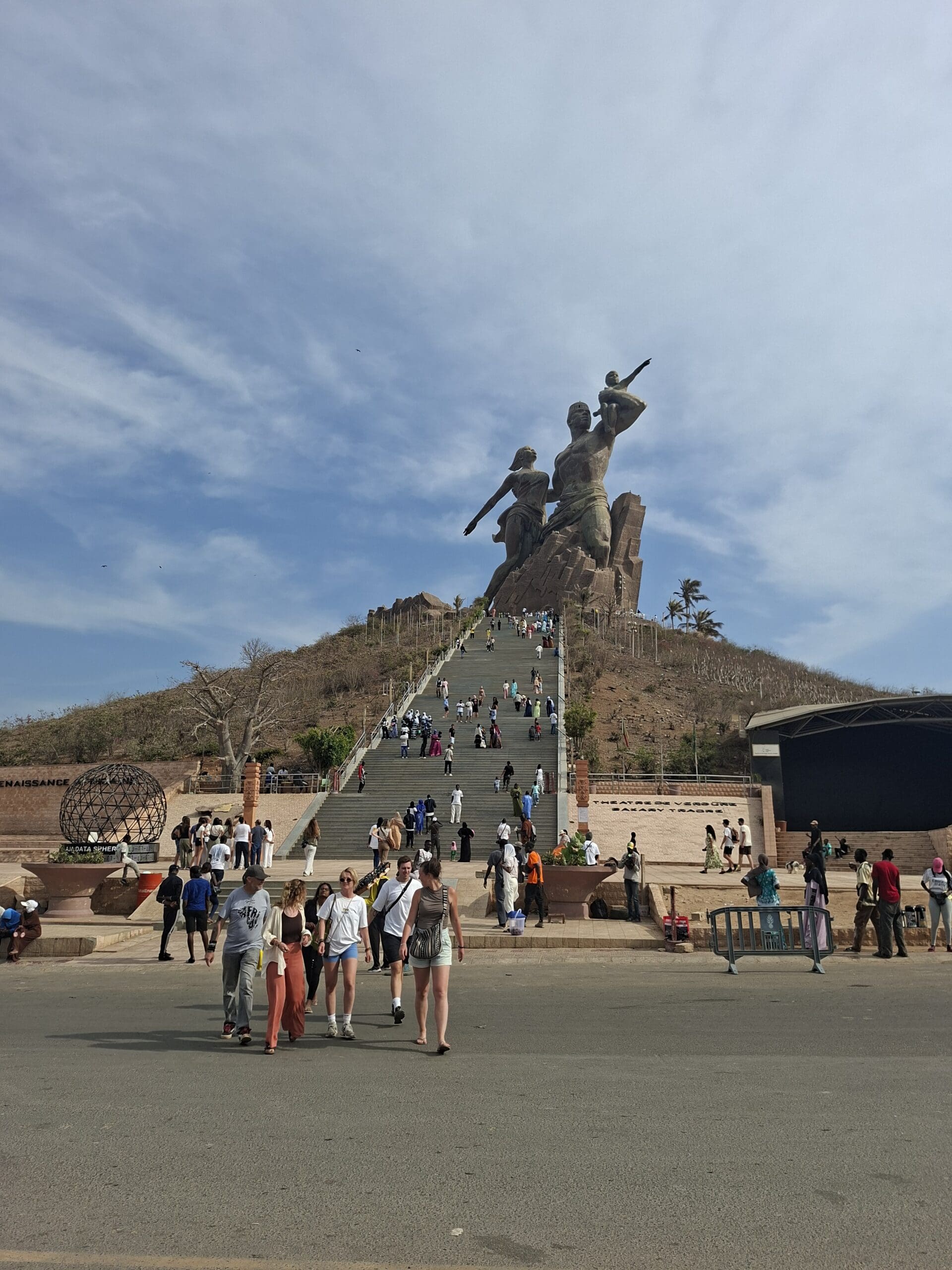
Standing 49 metres tall on a hilltop overlooking the Atlantic, the African Renaissance Monument is impossible to ignore and impossible to be neutral about. The bronze statue, depicting a man, woman and child emerging triumphantly from a volcanic rock, is Africa's tallest statue and a deliberate symbol of the continent's resurgence after colonialism. Inside the monument itself is a small but worthwhile museum. Whatever your view of its aesthetics (opinions are divided, in Dakar and beyond), the panoramic views from the top over the city and ocean are spectacular and alone worth the climb.
Explore Dakar's museums and cultural scene
Dakar punches above its weight culturally. The Museum of Black Civilisations (Musee des Civilisations Noires), opened in 2018, is a striking modern building housing an extensive collection celebrating the breadth of African and African-diaspora art and history. The IFAN Museum of African Arts, housed in a handsome colonial building on the Plateau, holds one of the finest collections of traditional West African art on the continent. If architecture is your thing, don't miss the old Dakar railway station, a beautiful French colonial structure that still has the quiet grandeur of a building that once connected the city all the way to Bamako, Mali.
Walk the Corniche and explore the Plateau-markets
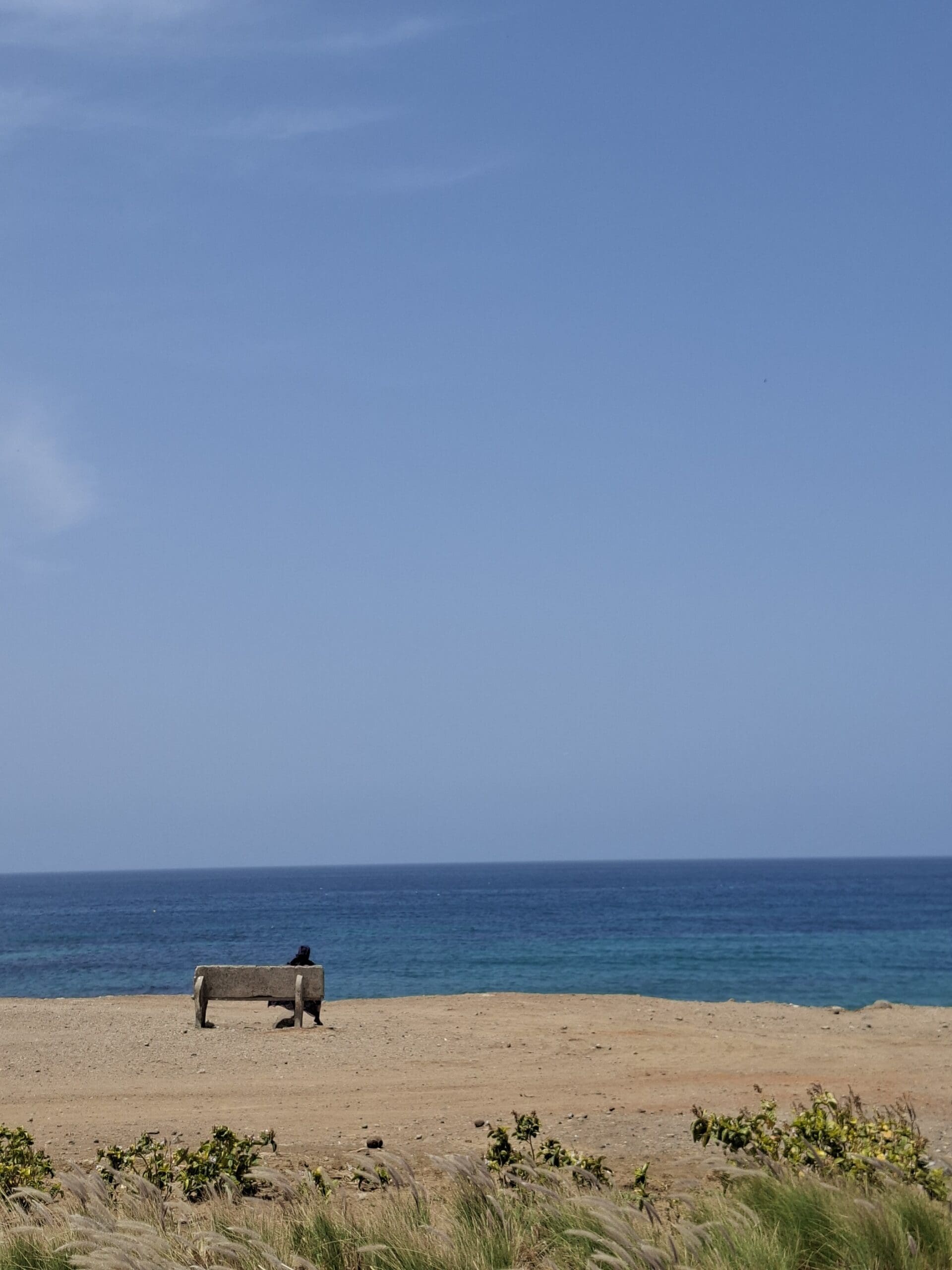
The Corniche Ouest is Dakar's great coastal boulevard, stretching several kilometres along the cliffs above the Atlantic. Walking or running it in the early morning — with the waves crashing below, fishing pirogues heading out to sea and the city still half-asleep — is one of the finest free experiences the city offers. When the day heats up, head inland to the Plateau district and lose yourself in the markets. The Marche Kermel and Marche Sandaga are sensory overloads of spices, fabrics, jewellery and fresh produce. Take cash, take your time, and don't be afraid to negotiate.
Bar-hop through Ouakam and the Almadies
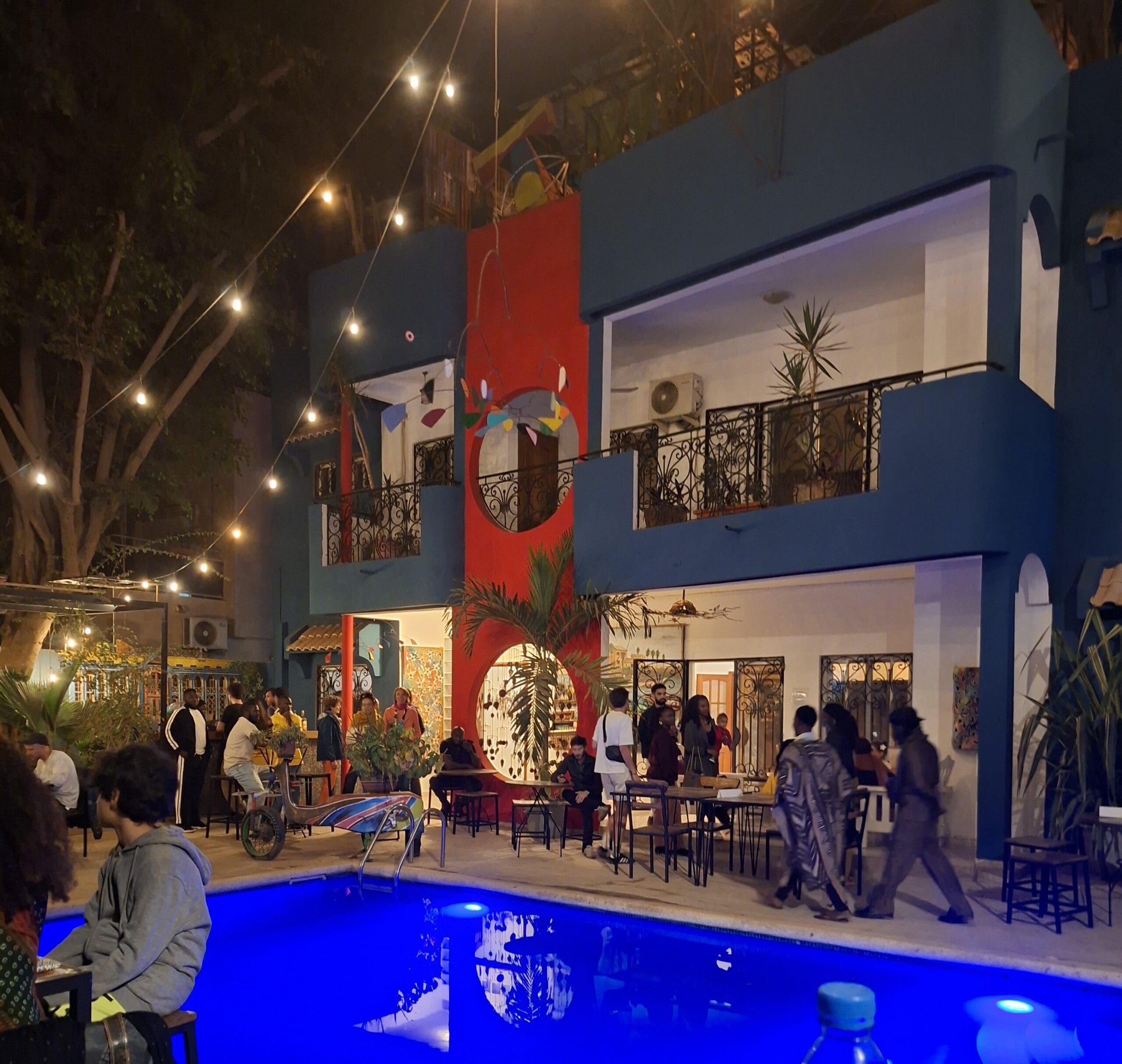
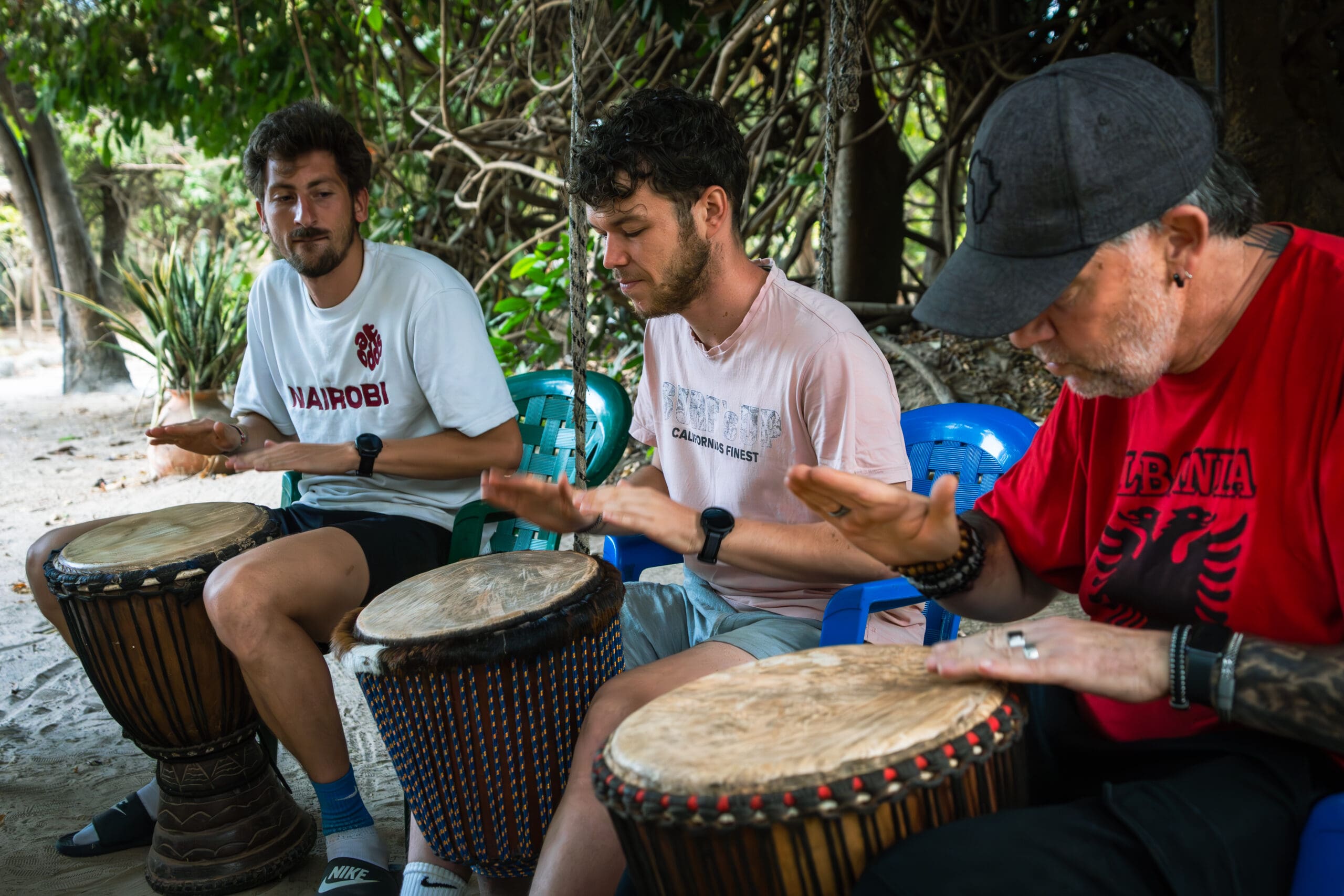
As the sun sets and the Atlantic breeze picks up, Dakar's nightlife shifts into gear. The Almadies and Ouakam neighbourhoods, on the northwestern tip of the peninsula, are where the city's bars, restaurants and beach clubs are concentrated. The vibe ranges from low-key terrace bars with cold beers and grilled fish to sleek rooftop spots with DJs and sweeping ocean views. Dakar has a genuinely vibrant music scene and you can often catch live music if you know where to look.
Relax on the beach
Dakar is one of the few African capitals where you can genuinely swim in the ocean within the city limits. The beaches at Yoff, Ngor and the strip along the Almadies coastline range from quiet and local to lively with beach bars and rentable sunbeds. Ngor Island, reachable by a short pirogue ride, is a particular favourite: small, calm, with clear water and a handful of beach restaurants grilling fresh catch. It's a world away from the city noise but never more than 20 minutes from downtown.
Charlie's way of travelling
Our team lives and works in Africa
We develop our own routes
Your trip is tailor-made by us
100% insured while travelling
All your burning questions about Dakar answered
Is Dakar safe for tourists?
Dakar is generally considered safe for tourists by West African standards. Petty theft and scams targeting visitors do occur, particularly around the port and busy markets, so keep valuables secure and be wary of overly persistent 'guides'. Violent crime against tourists is rare. Use your common sense and you'll be fine.
What language is spoken in Dakar?
The official language is French, which is used in government, education and business. However, Wolof is the true lingua franca of daily life in Dakar — most people on the street will greet you in Wolof before French. Learning a few words (jaama ngaam for 'hello', jerejef for 'thank you') goes a long way.
What currency is used in Senegal?
Senegal uses the West African CFA franc (XOF), which is pegged to the euro. ATMs are widely available in Dakar. Credit cards are accepted in hotels and upscale restaurants, but cash is king in markets, taxis and street food stalls.
How do you get from Dakar to Ile de Goree?
Ferries to Ile de Goree depart from the port terminal in central Dakar (near Place de l'Independence). The crossing takes about 20 minutes. Tickets are inexpensive and ferries run regularly throughout the day. Check the departure schedule on arrival as timings can vary.
What is the best time of year to visit Dakar?
The most comfortable time to visit is November to February, during the dry season, when temperatures are warm but not extreme (around 24-28°C) and humidity is lower. The rainy season runs July to September and brings heavy downpours, high humidity and some flooding, though the city stays lively year-round.
Discover more in Senegal
Or browse through all our unique and authentic experiences
Casamance
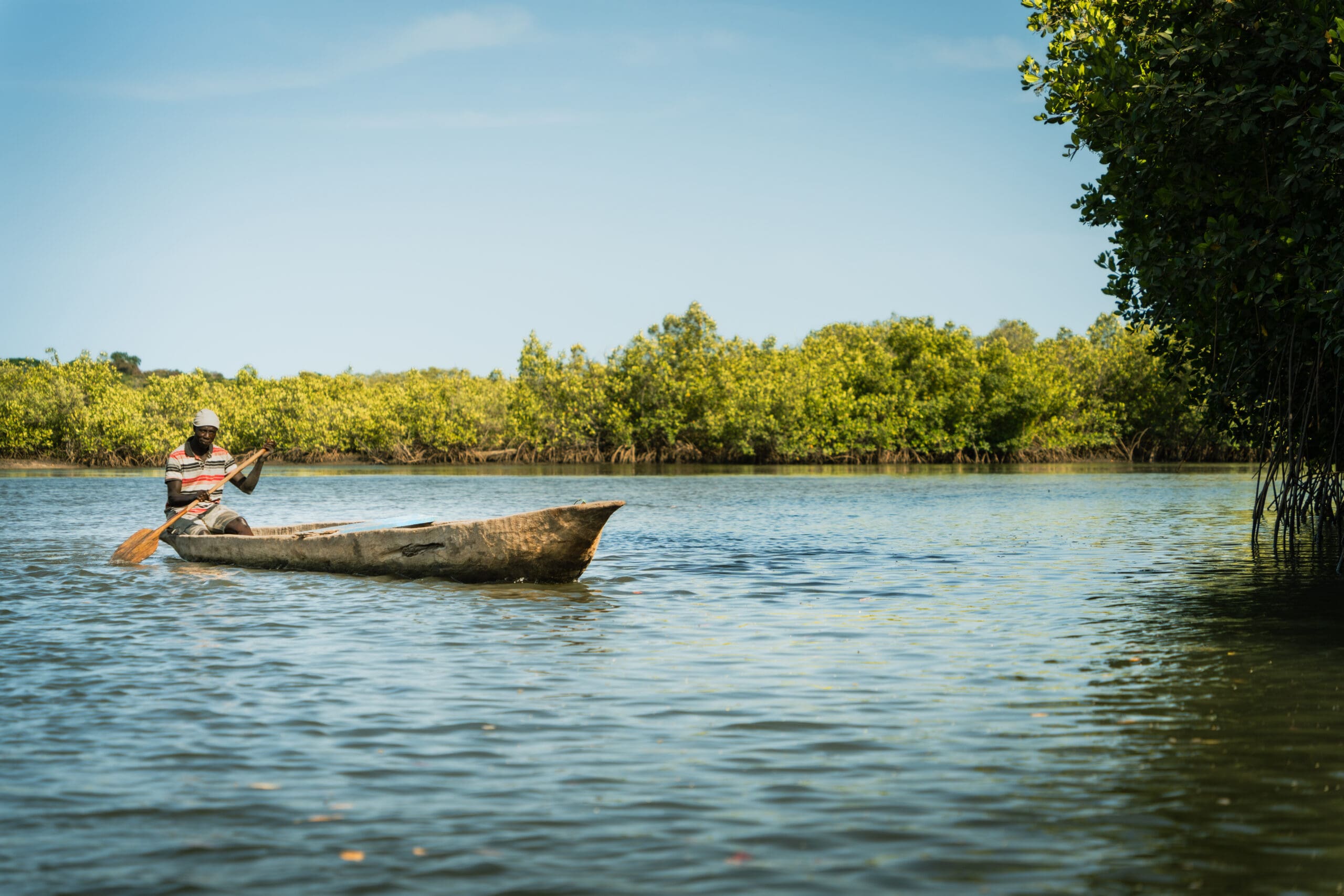
Romantic little islands, giant baobab trees, and beautiful beaches
A road trip through culture, mangroves, and magical baobabs in Senegal
Discover Senegal from Dakar to the far south, and truly unwind.
Want to know more about this trip?
Receive an instant proposal for this trip or rather discuss the possibilities with one of our Africa experts? It's all possible!