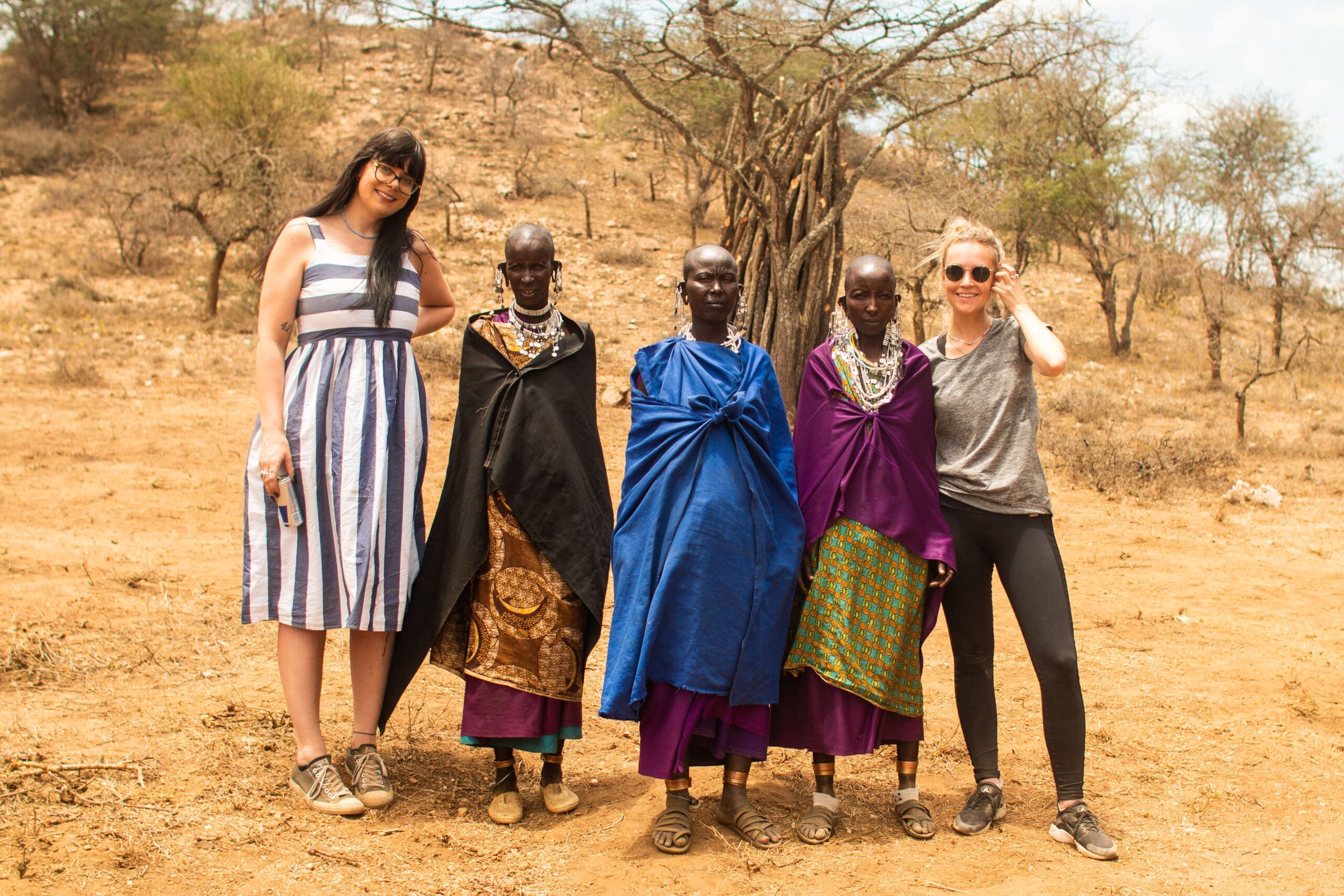
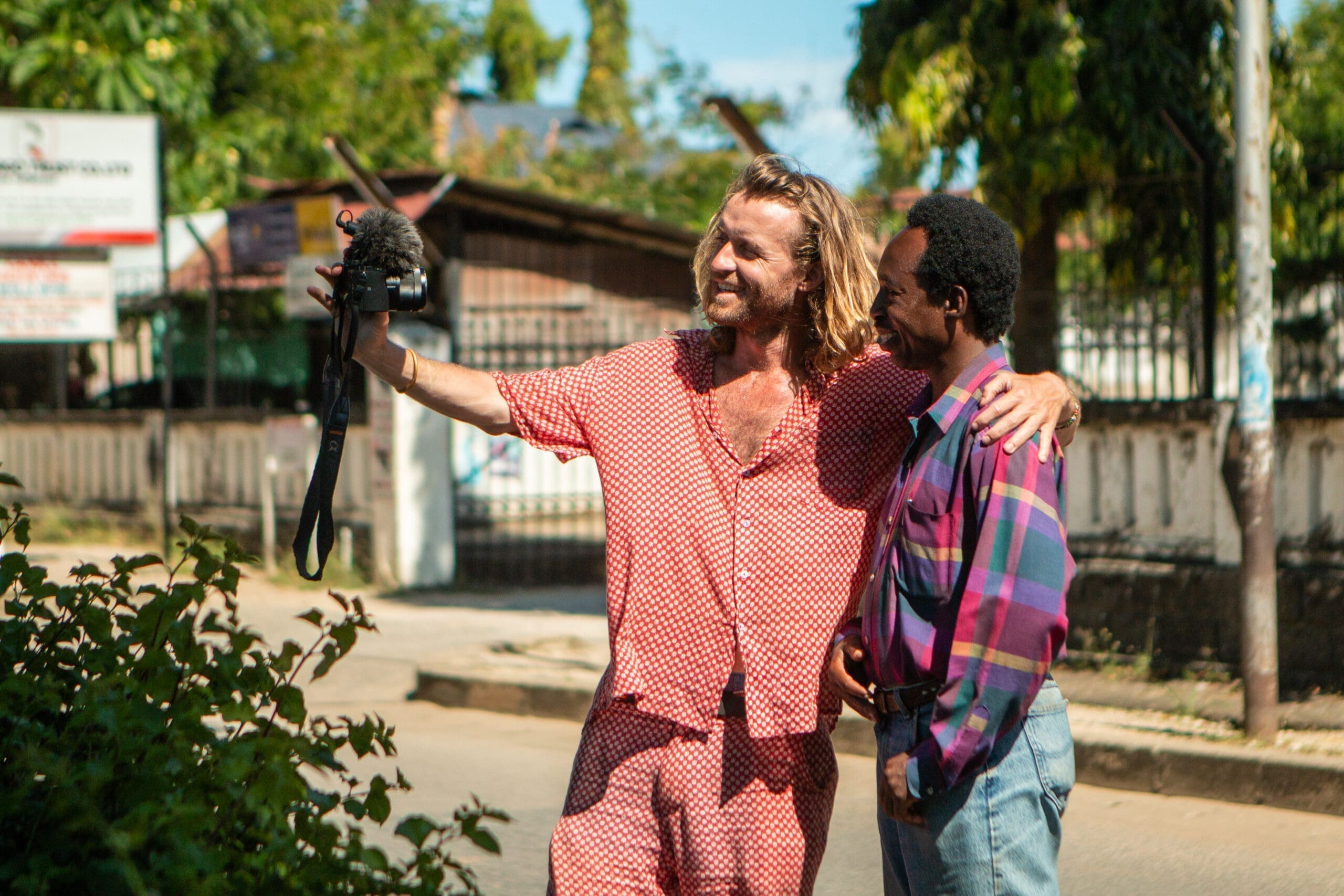


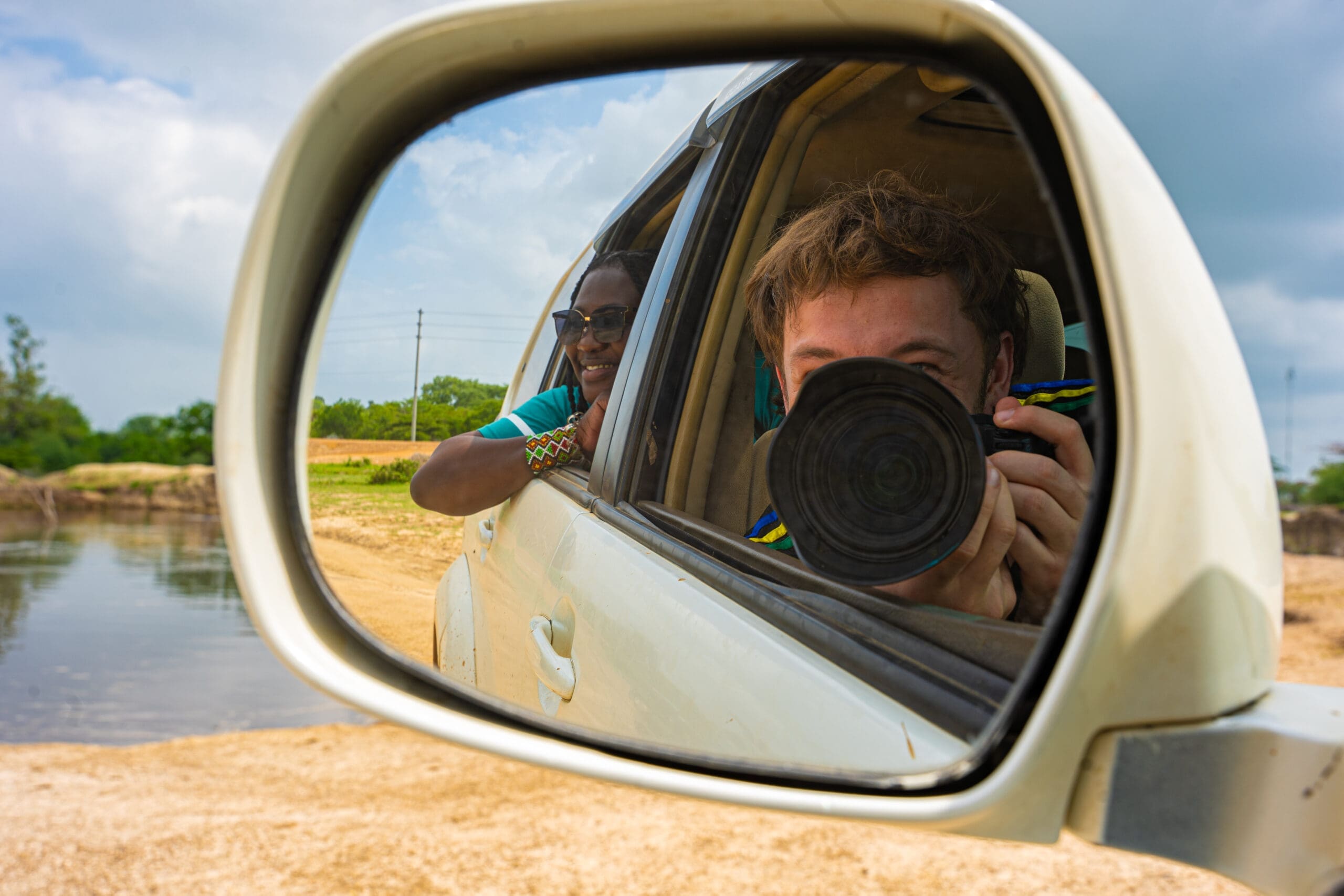
My name is Max, filmmaker at Charlie’s, and recently I got the chance to travel through Southern Tanzania for three weeks. An expedition to develop a new route, in search of experiences and stories that haven’t been told before.
With my camera, drone and two colleagues as my companions, we had a clear challenge ahead of us: to build a route that shows this country from a different perspective. Southern Tanzania is still raw, untouched, and largely unknown to most travelers. For me, there was an extra layer to that challenge: how do you capture a place like this in a way that feels real, without reducing it to a postcard?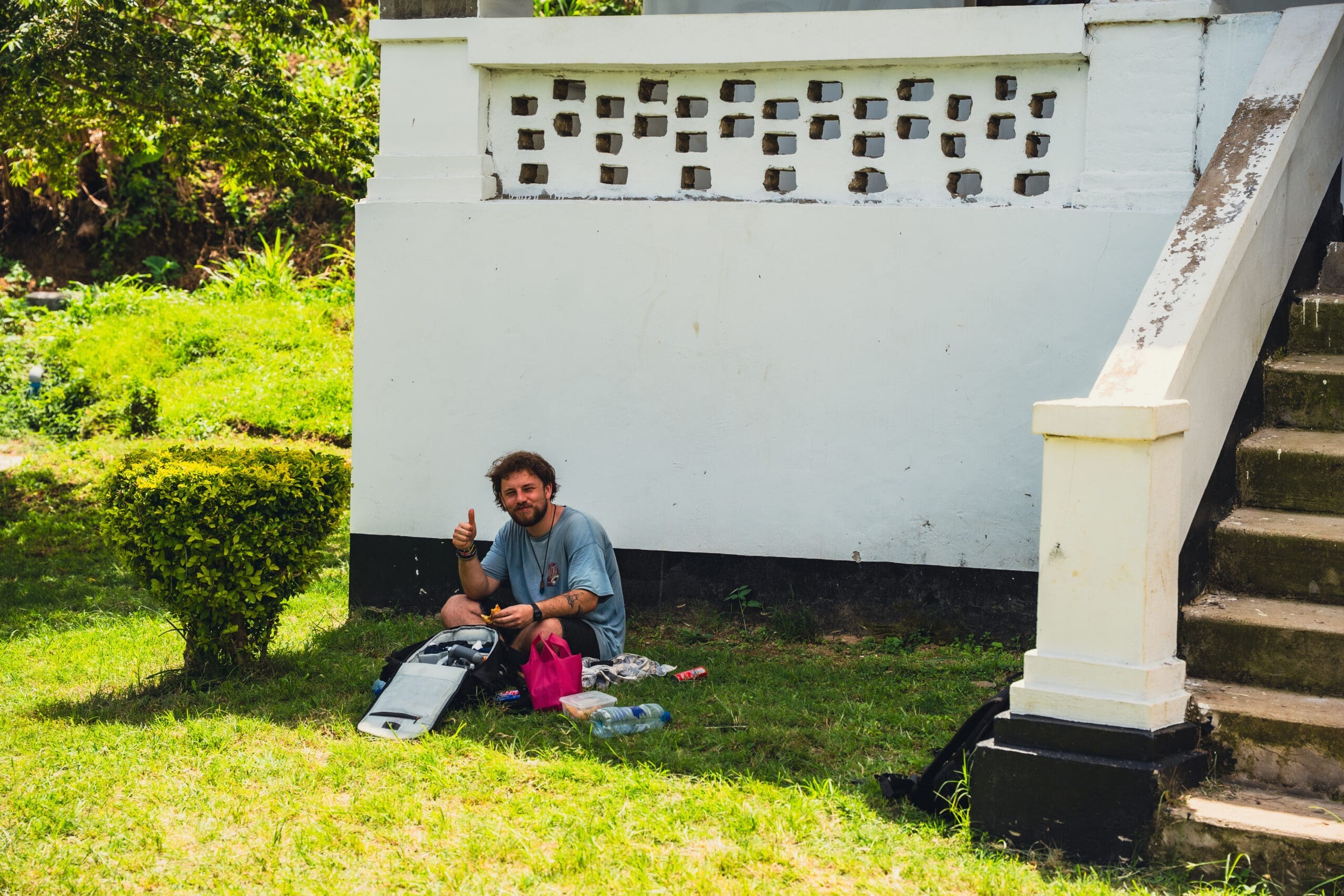
The next morning, we headed into the mountains. We started early, before the heat really set in. Together with our guide Joffrey, we left the city behind, the asphalt slowly fading into dirt paths. The climb took us past small farms where children waved, through tropical forests where the air turned cool and humid. I sent my drone up, tracing the winding trails through the landscape. At the top of Bondwa Peak, the world suddenly opened up beneath us. A panorama of misty valleys and mountains stretching endlessly into the distance.
That evening, we sat at our camp near Morning Site, an old German colonial building. We shared a simple but good meal as the sun slowly disappeared behind the hills. When darkness fell, a sky full of stars appeared, unlike anything I had ever seen before. I spent a large part of the night just lying there, staring up from my tent.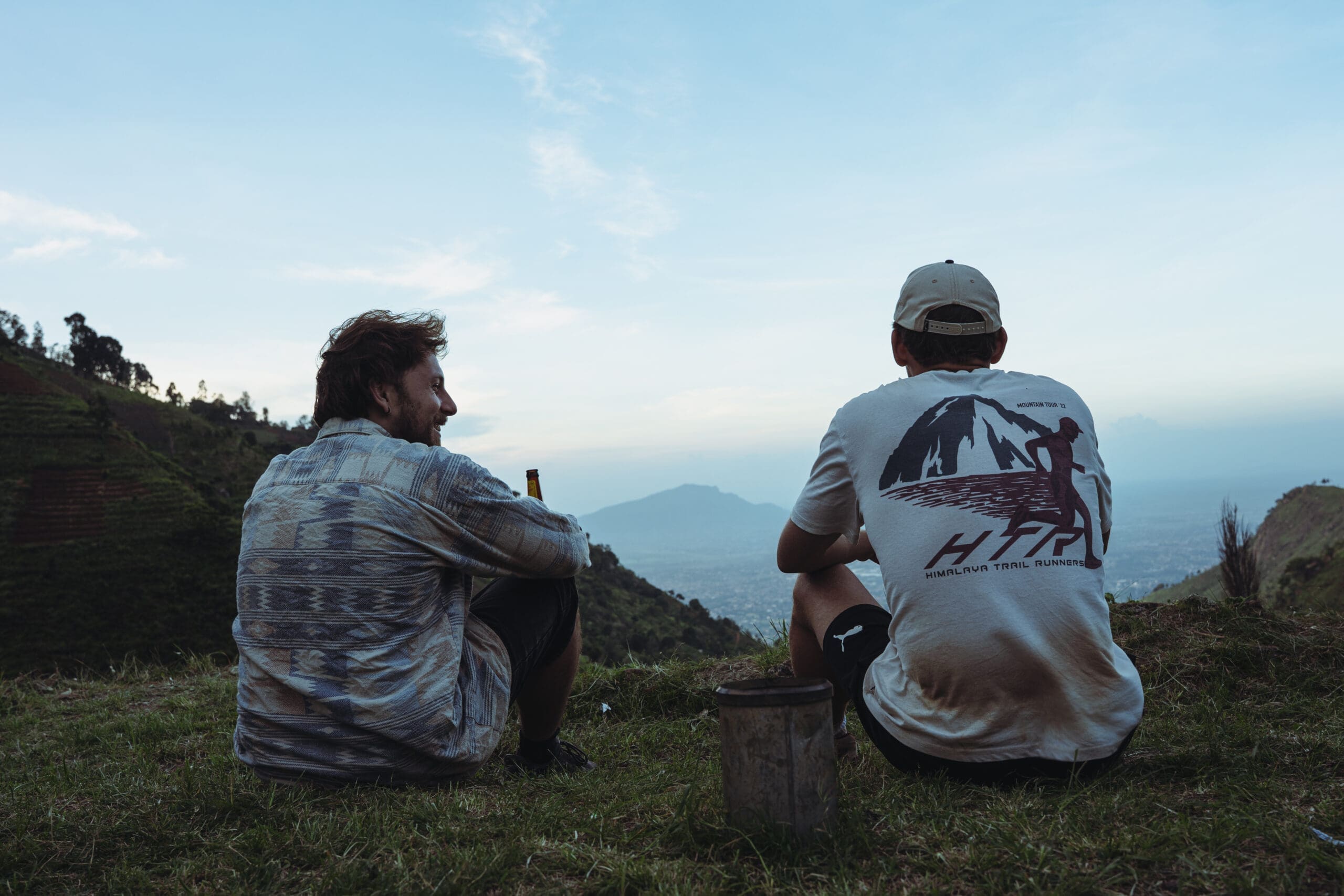
We arrived at Mufindi Farm Lodge, where we were warmly welcomed by Merel, who has called this place home for over six years. I filmed the morning mist slowly lifting over the fields, horses roaming freely, and the stillness of a landscape that seemed untouched by urgency. The meals here came straight from the land. Vegetables, fruit, dairy, everything local and prepared with care. You can taste it immediately. What is grown here is not only served, but also shared with the surrounding community.
It felt like a place where everything made sense. And honestly, I didn’t want to leave.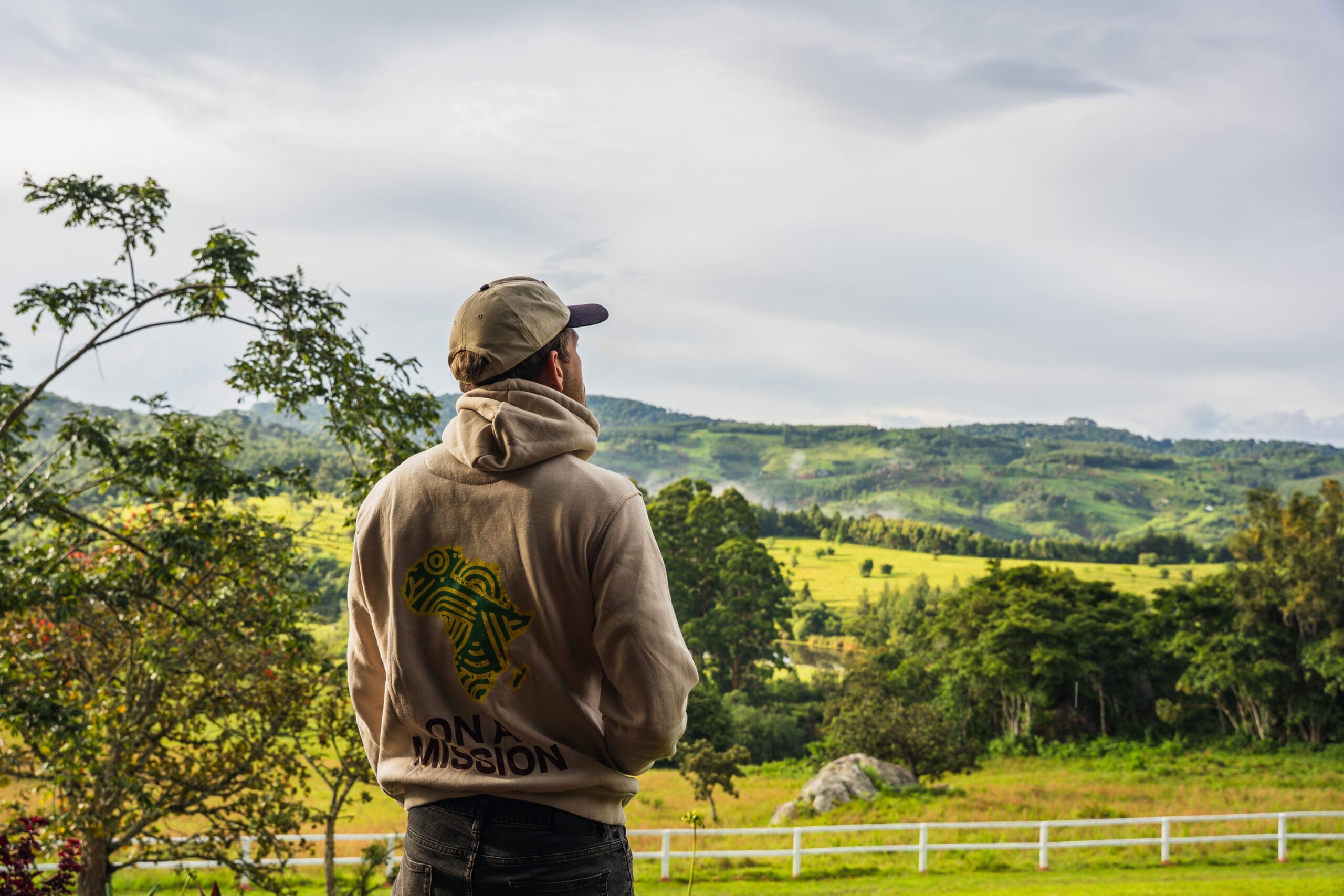
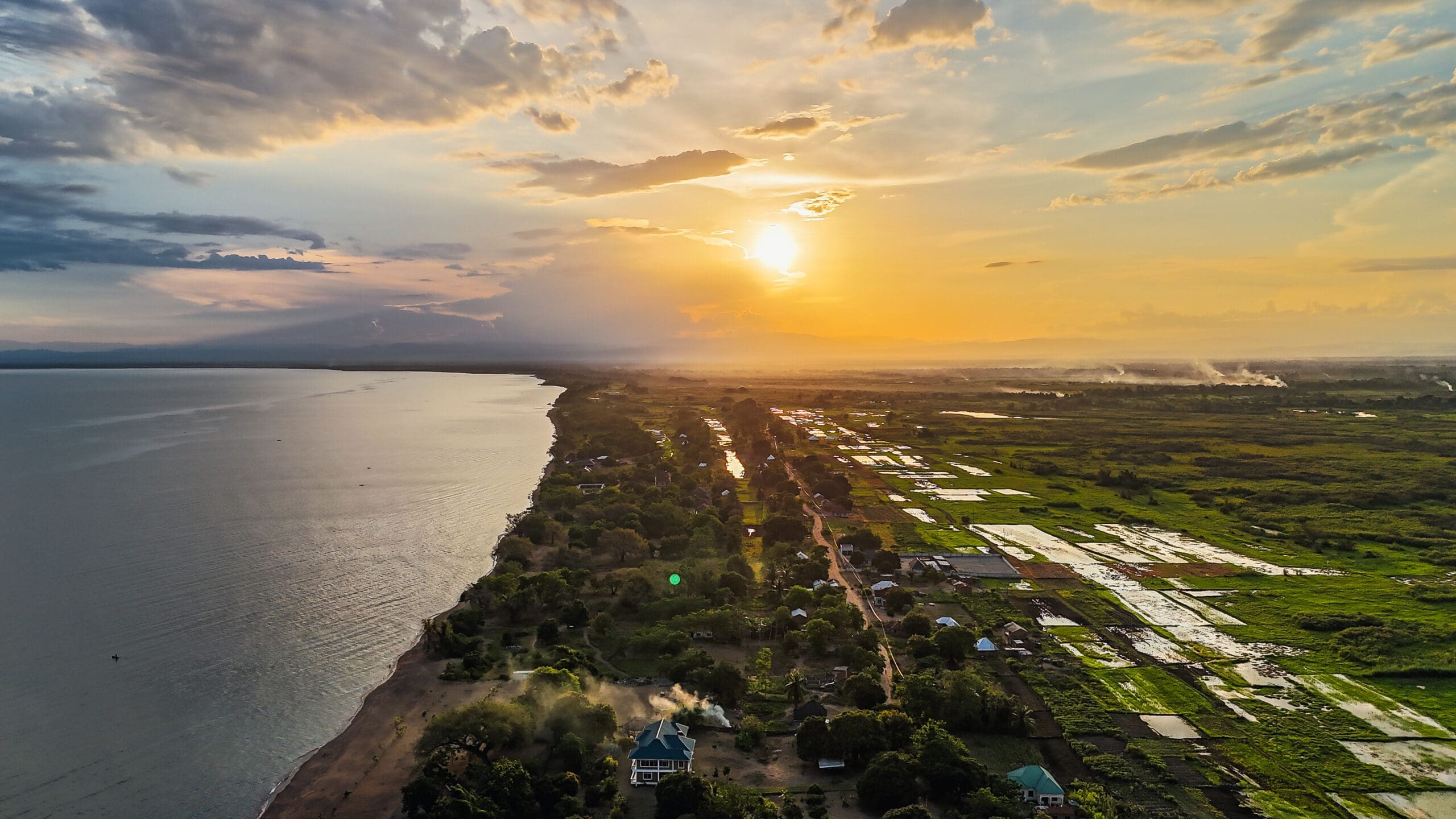
After days of traveling, this felt like arriving at the edge of the world. I walked straight from my hut onto the beach, my feet sinking into the soft sand. Everything here moves pole pole, the Swahili way of saying slow down, no rush.
The water reflects the sky, fishermen drifting in wooden canoes, their silhouettes sharp against the setting sun. I can’t really describe it any other way than simply magical.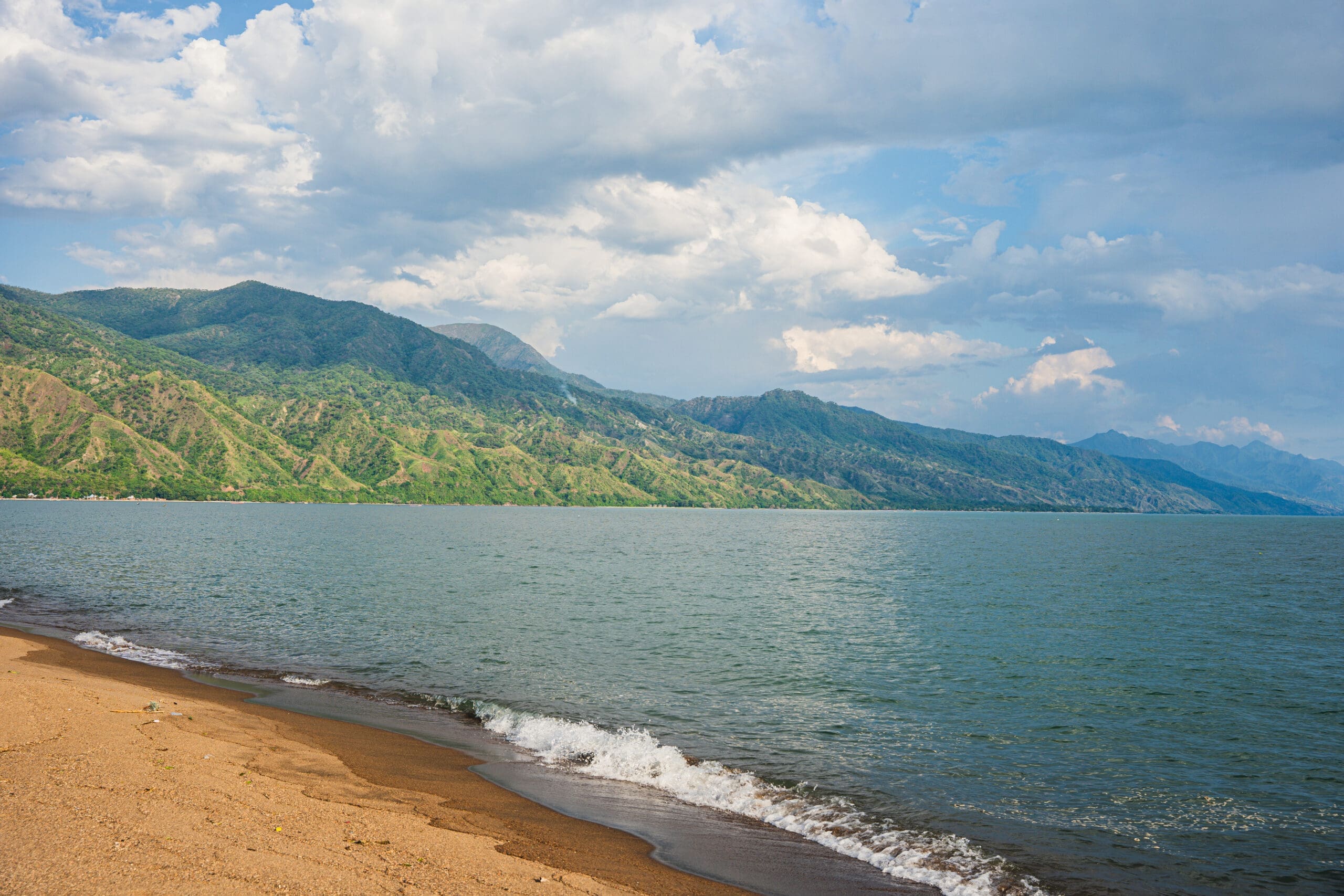
Here, between mangroves and empty beaches, lies a quiet coastal town shaped by centuries of trade routes. We took a boat to Songo Mnara and Kilwa Kisiwani, where I filmed the ruins of a sultan’s palace and abandoned mosques dating back to the 14th century. This UNESCO World Heritage Site stands as a silent witness to a time when this Swahili trading city was a thriving center of commerce in the Indian Ocean.
Tourism is still scarce here, so you often have the beach almost entirely to yourself, shared only with locals and fishermen bringing in their catch at the end of the day. Back at our accommodation, we sat on the rooftop overlooking the mangroves and the local fish market, enjoying a cold beer during an incredible sunset. The bar carried that same relaxed atmosphere, made even better by the homemade gin of the owner.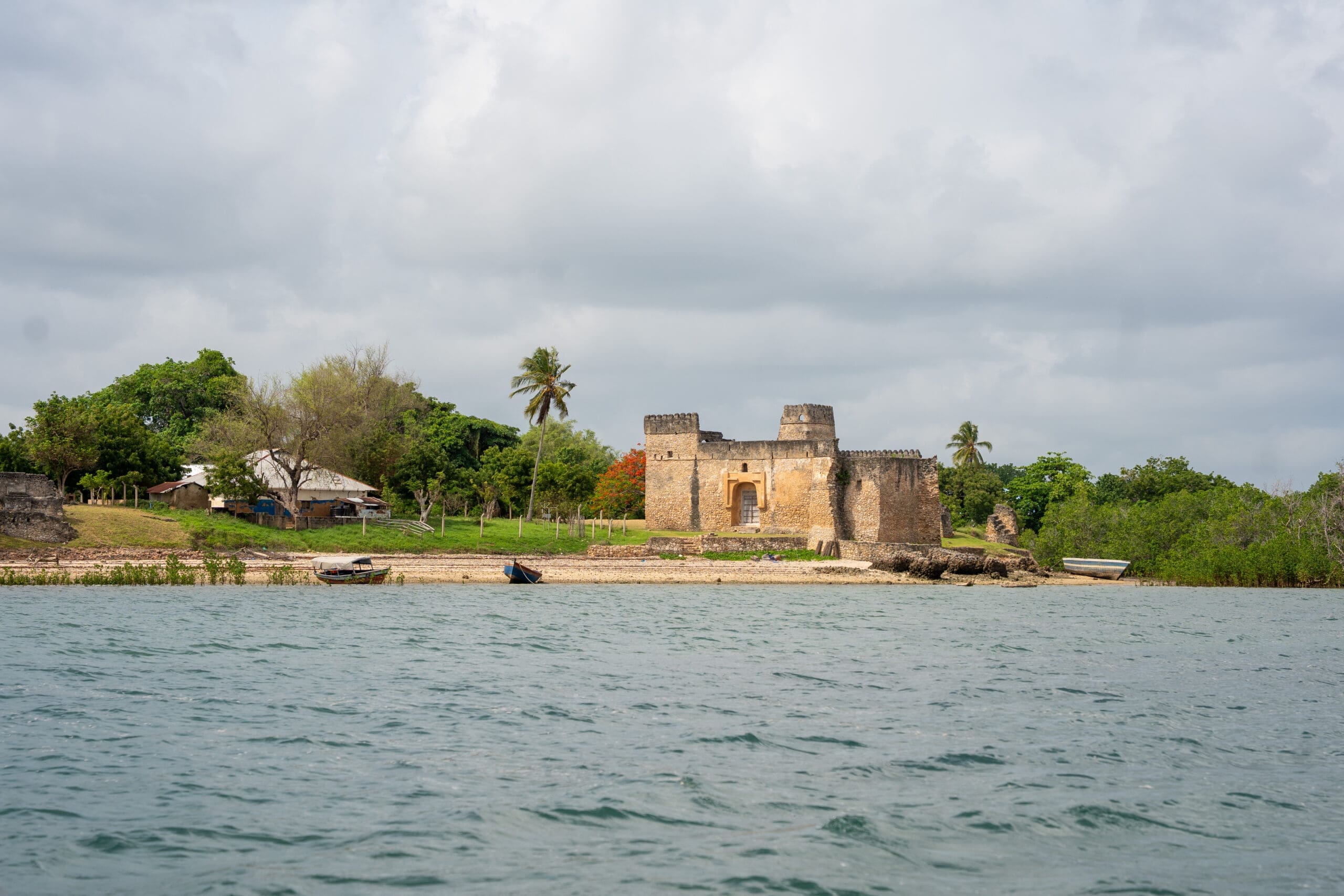 At first, Southern Tanzania didn’t feel like a destination that could easily be captured. And yet, around every corner, I discovered a new landscape, something unexpected, something worth filming. My camera barely got a moment of rest.
It’s a land of contrasts. Vast savannahs and misty mountains, green tea fields and tropical beaches, ancient ruins and vibrant villages. For me, as a filmmaker, an absolute visual feast.
But that deeper feeling, of being alone in the world, of endless space and quiet, the warmth of the people and their constant greetings, that’s something you can’t fully capture on film.
That feeling is something you can only truly understand when you’re there.
Still, I gave it a shot.
With my camera, drone and two colleagues as my companions, we had a clear challenge ahead of us: to build a route that shows this country from a different perspective. Southern Tanzania is still raw, untouched, and largely unknown to most travelers. For me, there was an extra layer to that challenge: how do you capture a place like this in a way that feels real, without reducing it to a postcard?
Morogoro and the Uluguru Mountains
Morogoro was our first stop, a lively town full of movement and chaos. Street vendors calling out their goods, motorbikes and tuk tuks weaving through traffic, music playing from every corner. I wanted to capture it all, but the rhythm of the city moved faster than my camera could follow. And just beyond that busy surface, a completely different world begins to unfold.The next morning, we headed into the mountains. We started early, before the heat really set in. Together with our guide Joffrey, we left the city behind, the asphalt slowly fading into dirt paths. The climb took us past small farms where children waved, through tropical forests where the air turned cool and humid. I sent my drone up, tracing the winding trails through the landscape. At the top of Bondwa Peak, the world suddenly opened up beneath us. A panorama of misty valleys and mountains stretching endlessly into the distance.
That evening, we sat at our camp near Morning Site, an old German colonial building. We shared a simple but good meal as the sun slowly disappeared behind the hills. When darkness fell, a sky full of stars appeared, unlike anything I had ever seen before. I spent a large part of the night just lying there, staring up from my tent.
Mufindi Highlands
Further south, Tanzania changed completely in character. The Mufindi Highlands. It almost felt European at first glance, yet unmistakably African at the same time. Rolling hills, endless tea plantations, and a fresh breeze that slows everything down.We arrived at Mufindi Farm Lodge, where we were warmly welcomed by Merel, who has called this place home for over six years. I filmed the morning mist slowly lifting over the fields, horses roaming freely, and the stillness of a landscape that seemed untouched by urgency. The meals here came straight from the land. Vegetables, fruit, dairy, everything local and prepared with care. You can taste it immediately. What is grown here is not only served, but also shared with the surrounding community.
It felt like a place where everything made sense. And honestly, I didn’t want to leave.
Matema, on the shores of Lake Malawi
After a long drive through the highlands, we reached Matema, a small village on the edge of Lake Malawi. The lake stretches out like an ocean, but without waves. Warm, calm, and endless. To the left, the green peaks of the Southern Tanzanian Highlands rise along the shoreline. To the right, you can see Malawi in the distance. And in front of you, nothing but water reaching all the way to the horizon.After days of traveling, this felt like arriving at the edge of the world. I walked straight from my hut onto the beach, my feet sinking into the soft sand. Everything here moves pole pole, the Swahili way of saying slow down, no rush.
The water reflects the sky, fishermen drifting in wooden canoes, their silhouettes sharp against the setting sun. I can’t really describe it any other way than simply magical.
Kilwa, along the ancient Swahili coast
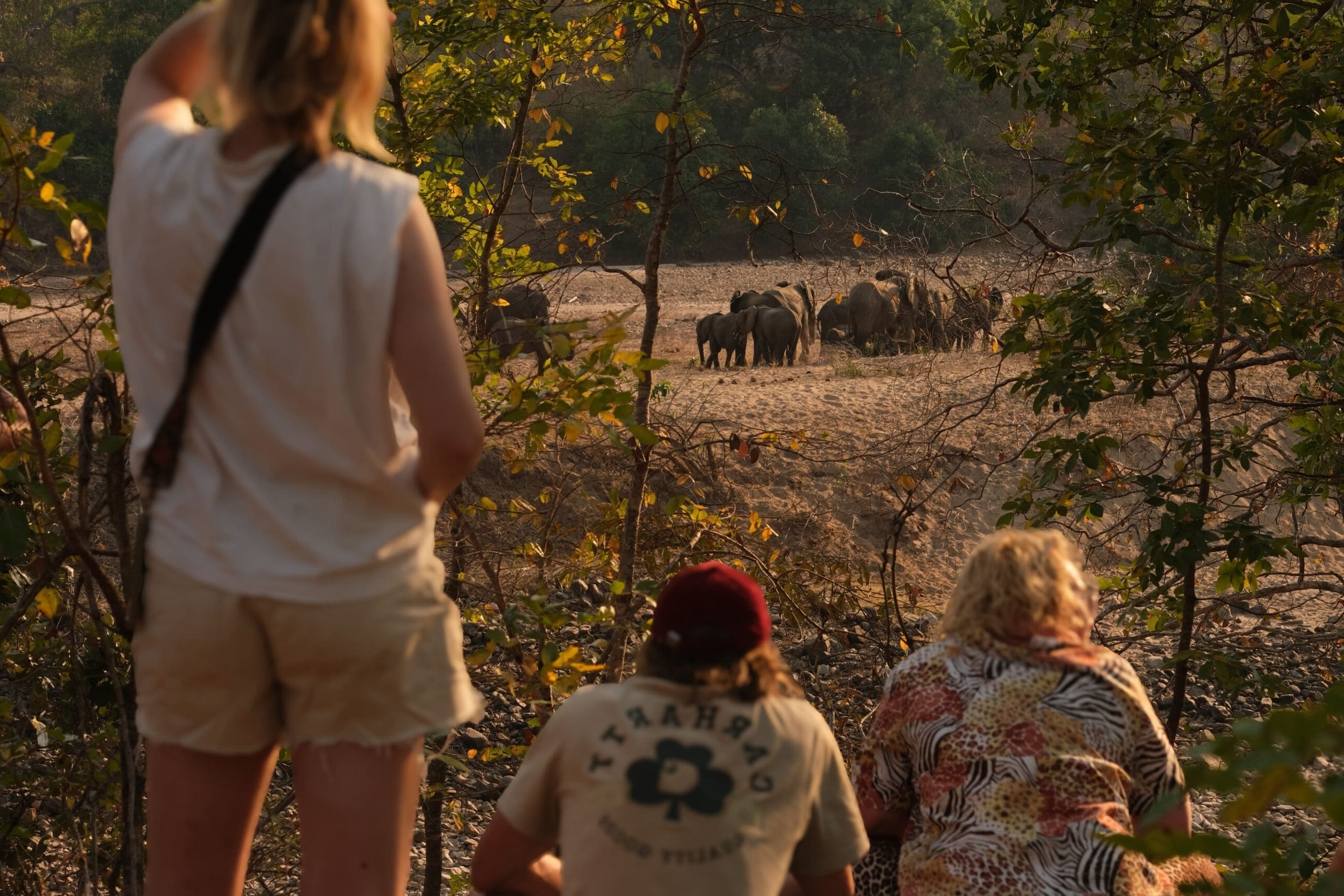
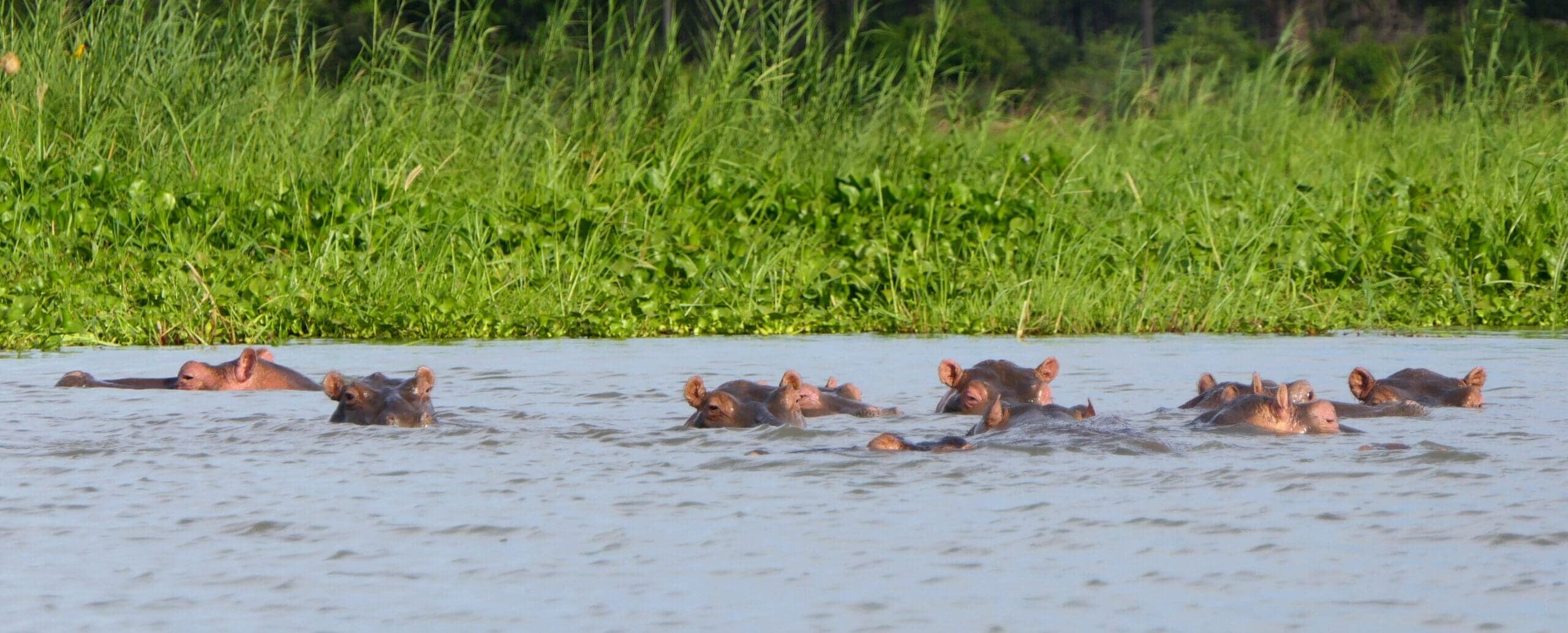
After traveling further inland, including a stop in Africa’s largest national park, Nyerere, we reached the coast at Kilwa.Here, between mangroves and empty beaches, lies a quiet coastal town shaped by centuries of trade routes. We took a boat to Songo Mnara and Kilwa Kisiwani, where I filmed the ruins of a sultan’s palace and abandoned mosques dating back to the 14th century. This UNESCO World Heritage Site stands as a silent witness to a time when this Swahili trading city was a thriving center of commerce in the Indian Ocean.
Tourism is still scarce here, so you often have the beach almost entirely to yourself, shared only with locals and fishermen bringing in their catch at the end of the day. Back at our accommodation, we sat on the rooftop overlooking the mangroves and the local fish market, enjoying a cold beer during an incredible sunset. The bar carried that same relaxed atmosphere, made even better by the homemade gin of the owner.
At first, Southern Tanzania didn’t feel like a destination that could easily be captured. And yet, around every corner, I discovered a new landscape, something unexpected, something worth filming. My camera barely got a moment of rest.
It’s a land of contrasts. Vast savannahs and misty mountains, green tea fields and tropical beaches, ancient ruins and vibrant villages. For me, as a filmmaker, an absolute visual feast.
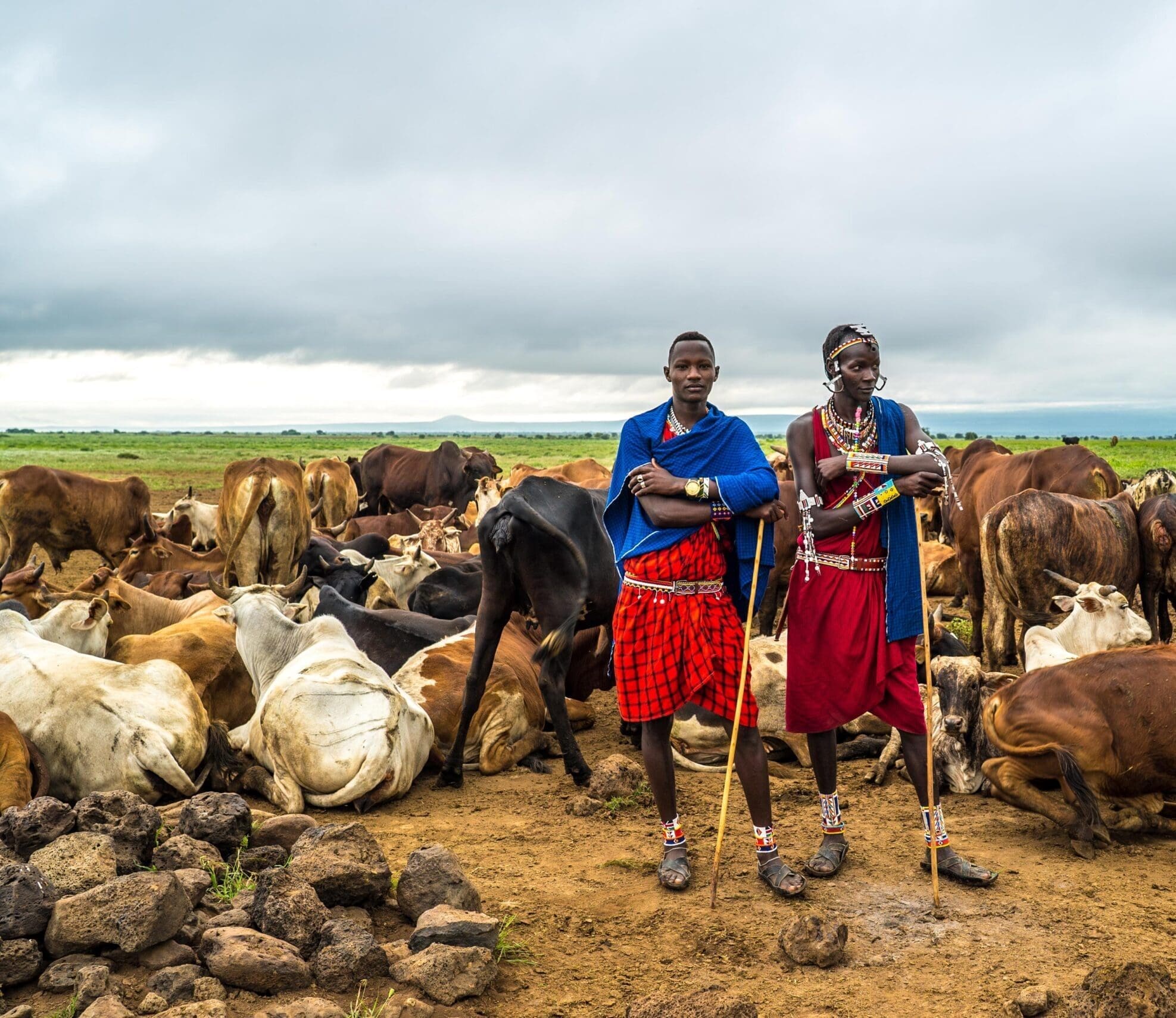
But that deeper feeling, of being alone in the world, of endless space and quiet, the warmth of the people and their constant greetings, that’s something you can’t fully capture on film.
That feeling is something you can only truly understand when you’re there.
Still, I gave it a shot.