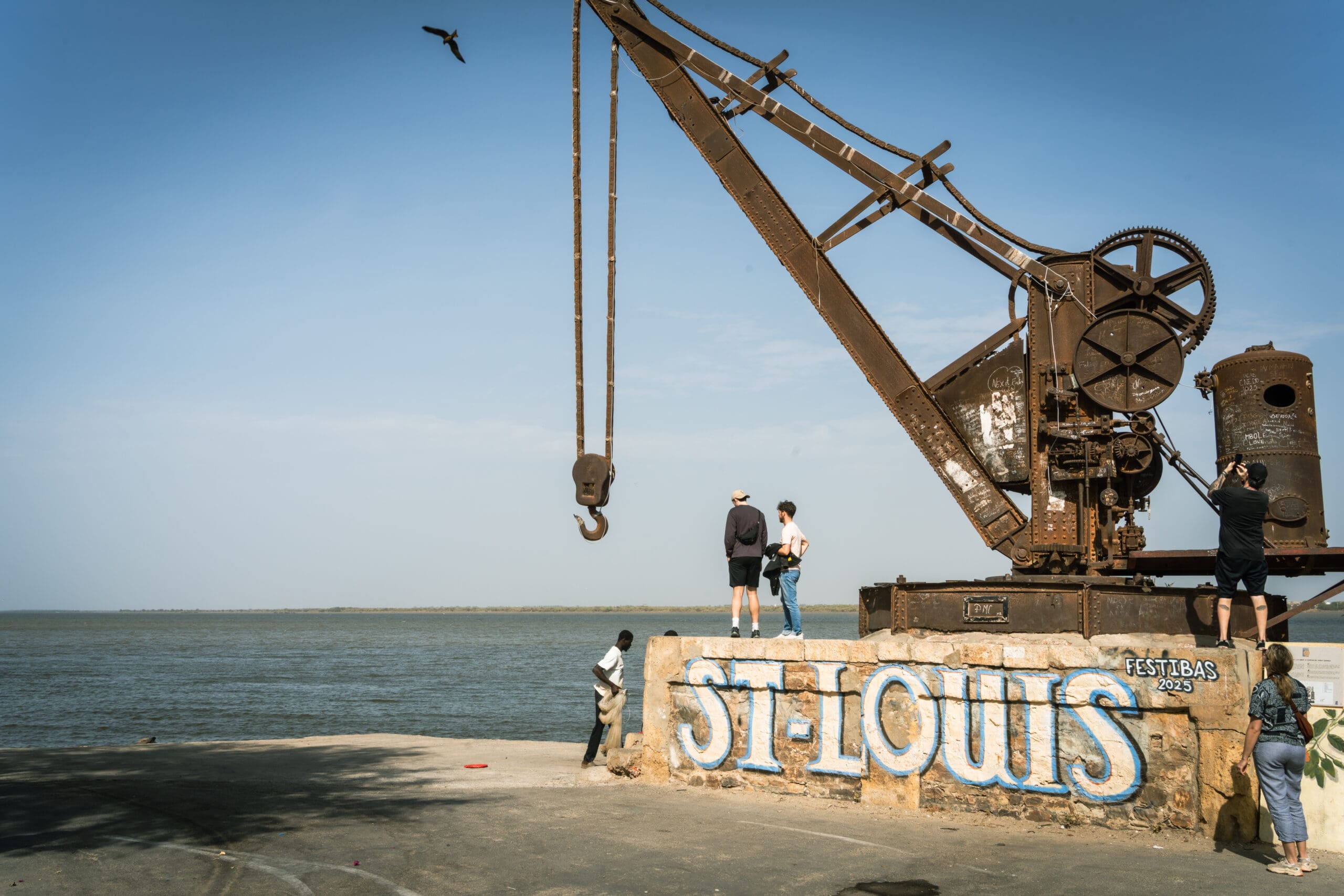
Saint-Louis, Senegal: Where Colonial History Meets the Atlantic

Saint-Louis feels like stepping into another era. A UNESCO-listed island city straddling the Senegal River, it captivates with its peeling pastel facades, horse-drawn carriages, bustling fish markets and a breezy promenade just steps from Mauritania.

Saint-Louis: Senegal's Most Soulful City

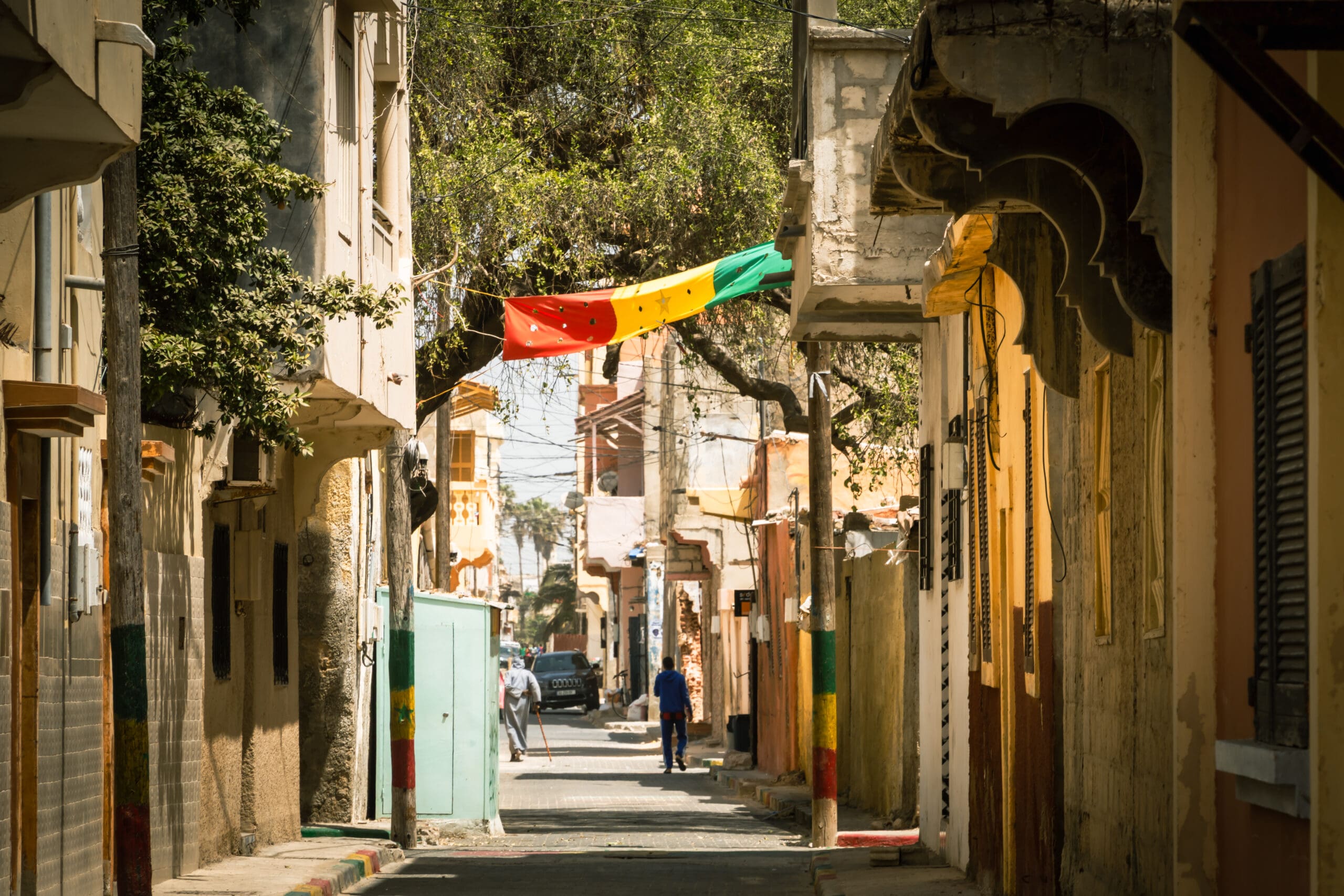
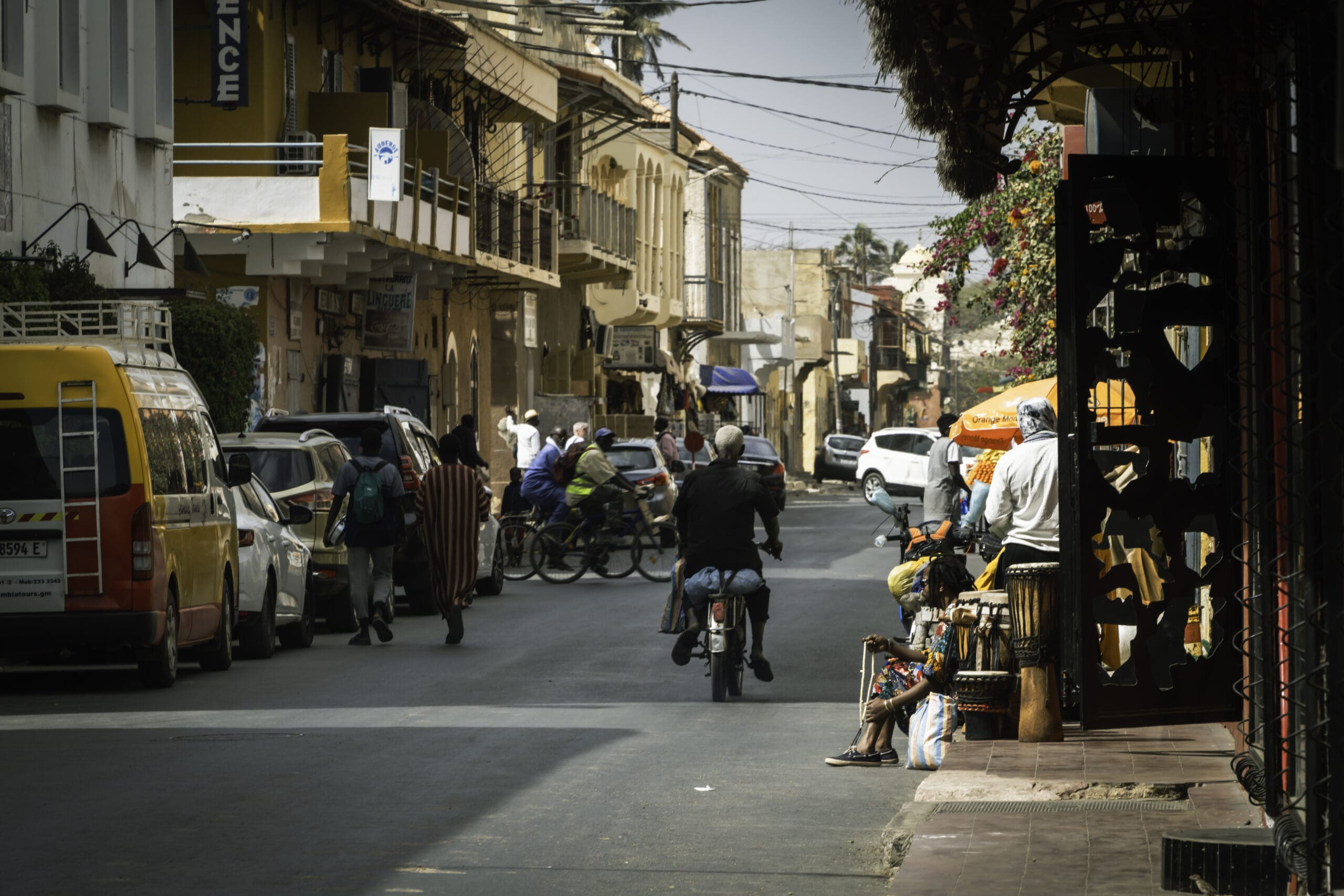
Driving into Saint-Louis is an experience in itself. The approach through the mainland is alive with small roadside stalls piled high with pyramids of oranges, horse-drawn carts weaving between orange-and-yellow taxis, and children kicking footballs in dusty squares. Then the road opens up along the ocean, a wide promenade stretching before you, until the iconic Faidherbe Bridge carries you onto the island itself. The streets are narrower, the buildings older but well-kept, painted in sun-faded colours. Terraces spill onto the pavement, restaurants hum quietly, and the mood is warm and wonderfully unhurried. The whole island is a UNESCO World Heritage Site, though renovation works remain largely awaited.

Things to do around Saint-Louis

From city history tours to padel in the middle of the desert, Saint-Louis surprises at every turn.

Cross the Faidherbe Bridge onto the Island

The iron Faidherbe Bridge is the gateway to Saint-Louis island and one of the most recognisable sights in all of Senegal. Walking or driving across it for the first time, with the river glittering on both sides and the terracotta rooftops of the island ahead, is a moment you won't forget. The northern end of the island is quieter and more residential, with some of the finest colonial-era architecture still standing. Wander without a plan and let the city reveal itself slowly.

Explore the Island on a City History Tour

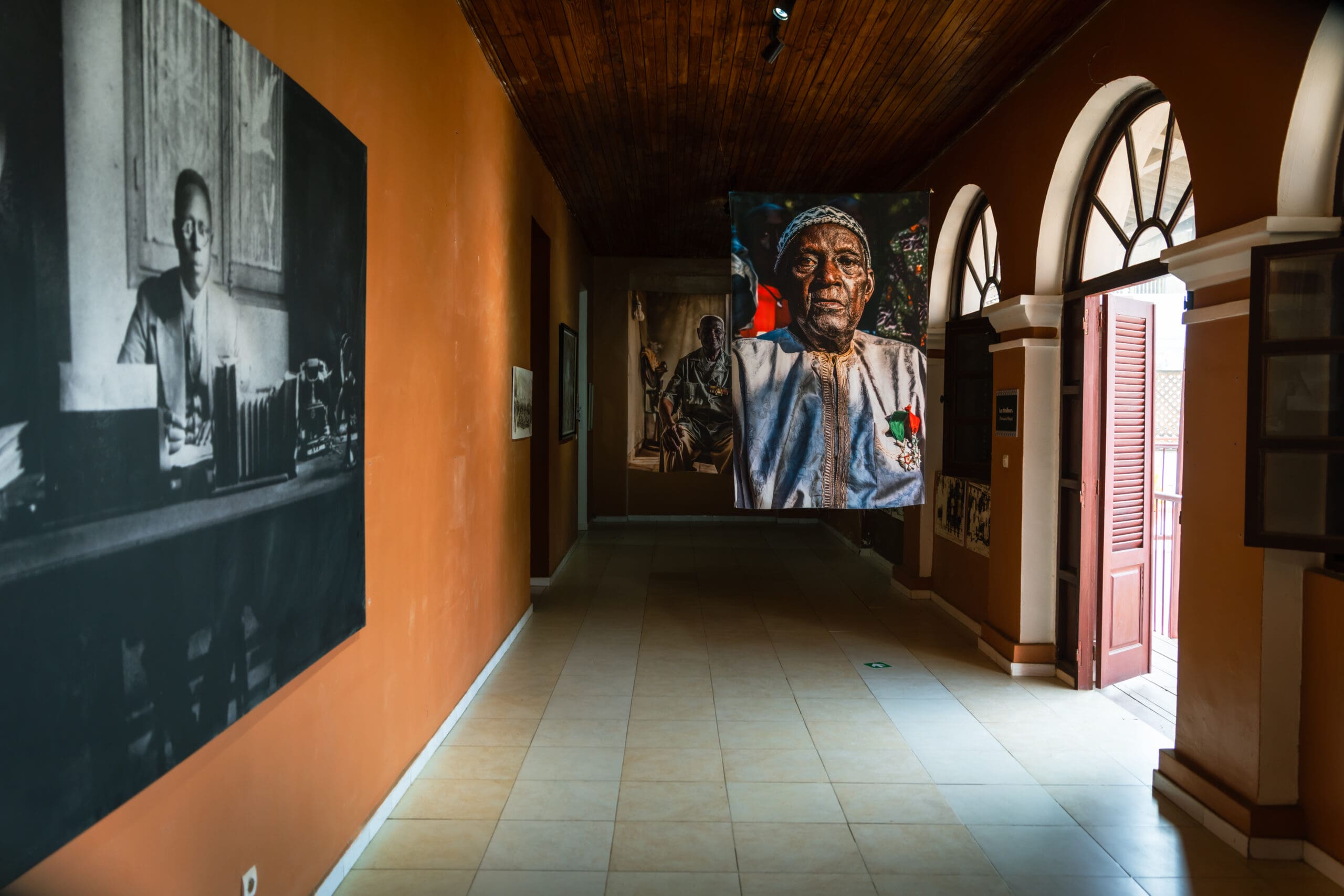
To truly understand Saint-Louis, join one of the local city tours that weave history, architecture and culture together. You'll learn about the city's role as the first French colonial capital in West Africa, its predominantly Muslim population shaped by centuries of trade, and the small Christian influence left behind by early French settlers. You'll also hear about the region's unique geography: just two kilometres north, across the Senegal River, lies Mauritania. The border is invisible but the difference in landscape and culture is striking. A good guide will bring this layered, fascinating history to life in ways that wandering alone simply cannot.

Visit Guet N'Dar, one of Africa's largest fishing villages

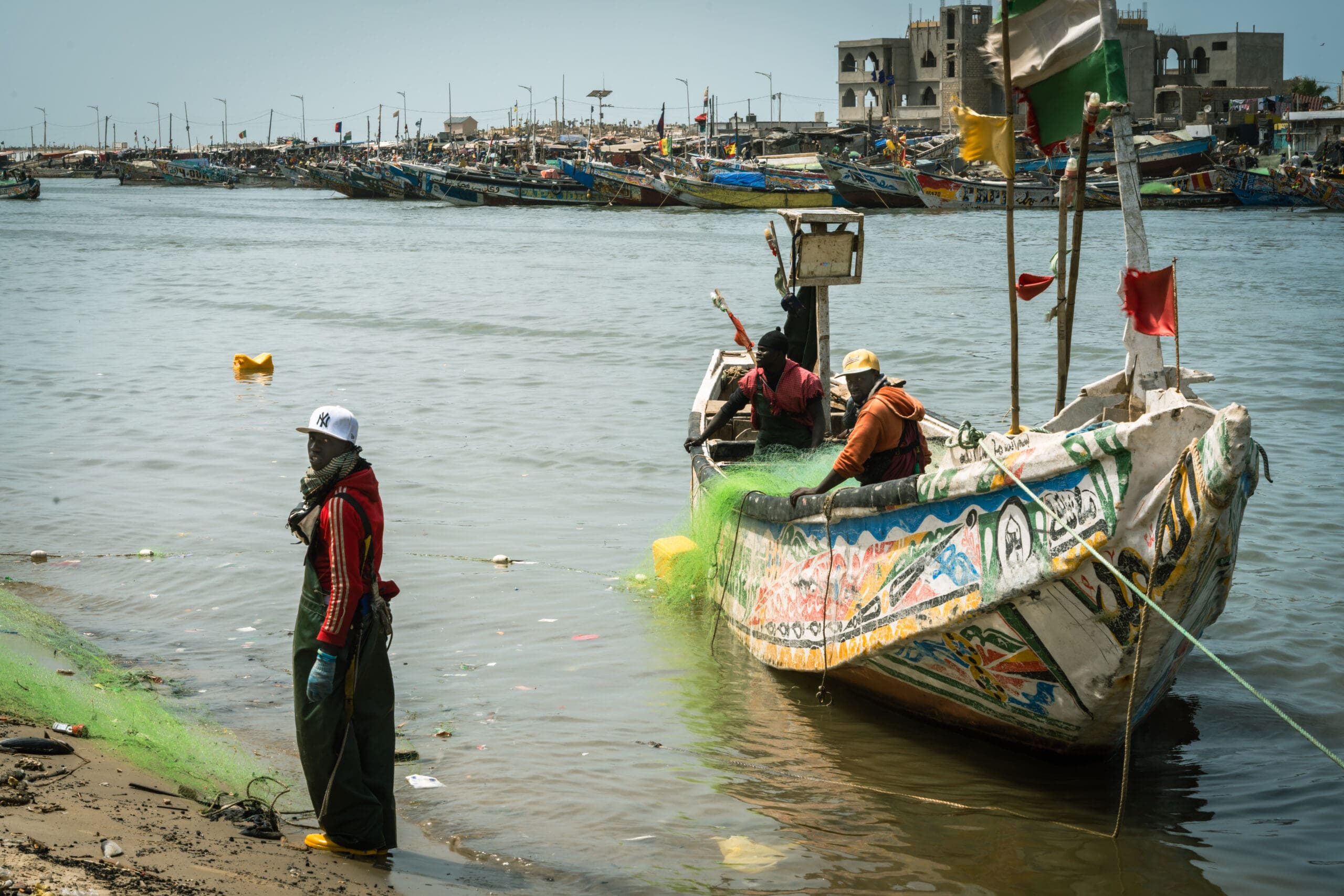
Guet N'Dar, the fishing village on the narrow Langue de Barbarie peninsula alongside the island, is one of the largest fishing communities in West Africa — and by some accounts, on the entire continent (though Madagascar gives it stiff competition). The sight of hundreds of brightly painted pirogues — long wooden fishing canoes — lined up on the beach is extraordinary. The colourful flags you'll see everywhere don't represent countries in any official sense; you'll spot Brazilian, German and other national colours all mixed together, used purely for their visual impact and personal meaning. Visit in the early morning when the catch comes in for the most atmospheric experience.

Stroll Along the Ocean Promenade

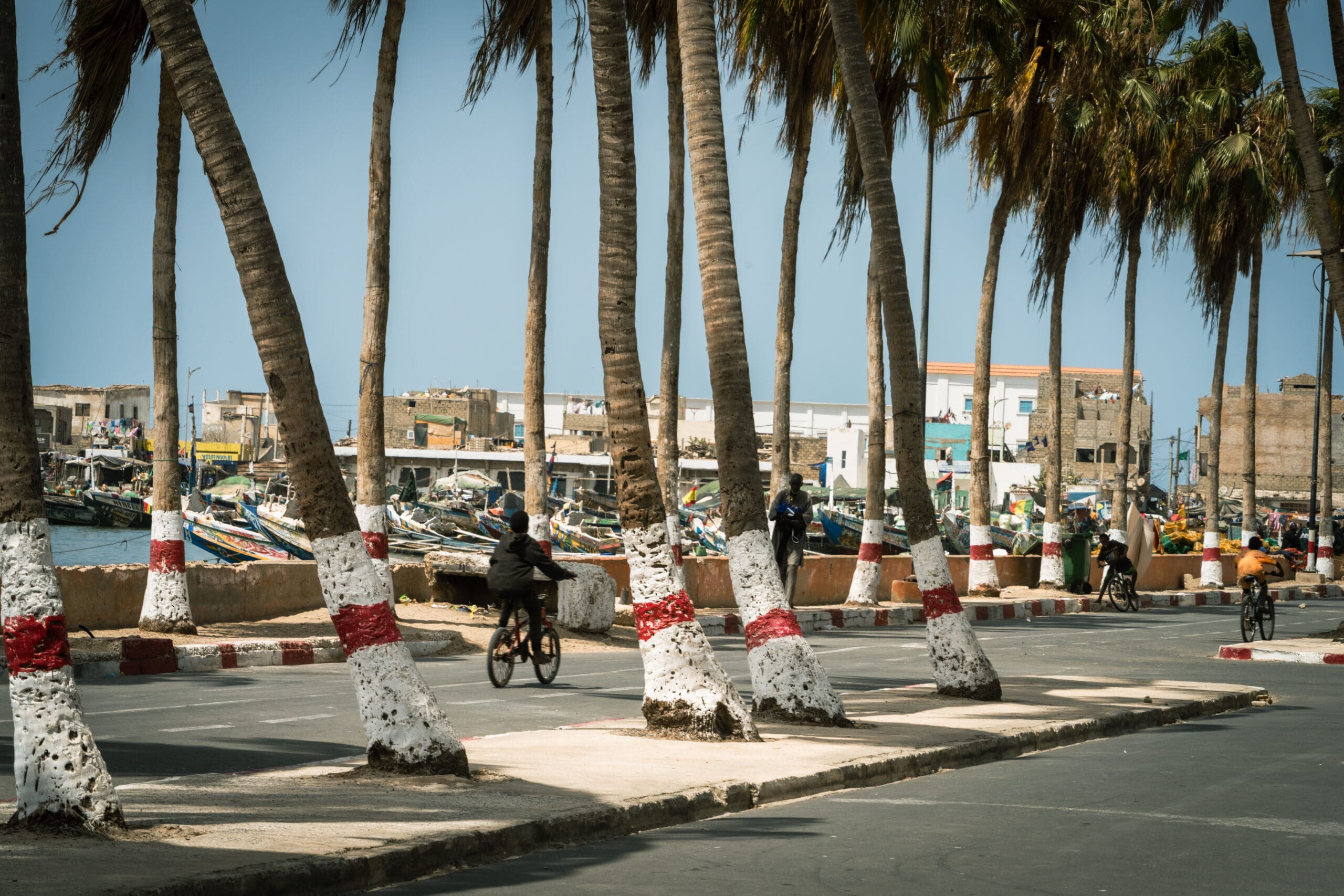
Before reaching the island, the road from the mainland runs alongside the Atlantic Ocean along a generous promenade. It's a wonderful place to stretch your legs, feel the sea breeze and watch local life unfold: joggers, families, fishermen mending nets, vendors selling cold drinks. The light in the late afternoon here is particularly beautiful, casting long shadows across the wide walkway and turning the ocean a deep shade of gold. It's a simple pleasure, but one of the most enjoyable ways to ease yourself into the rhythm of Saint-Louis before diving into the island proper.

Play Padel in the Senegalese Desert

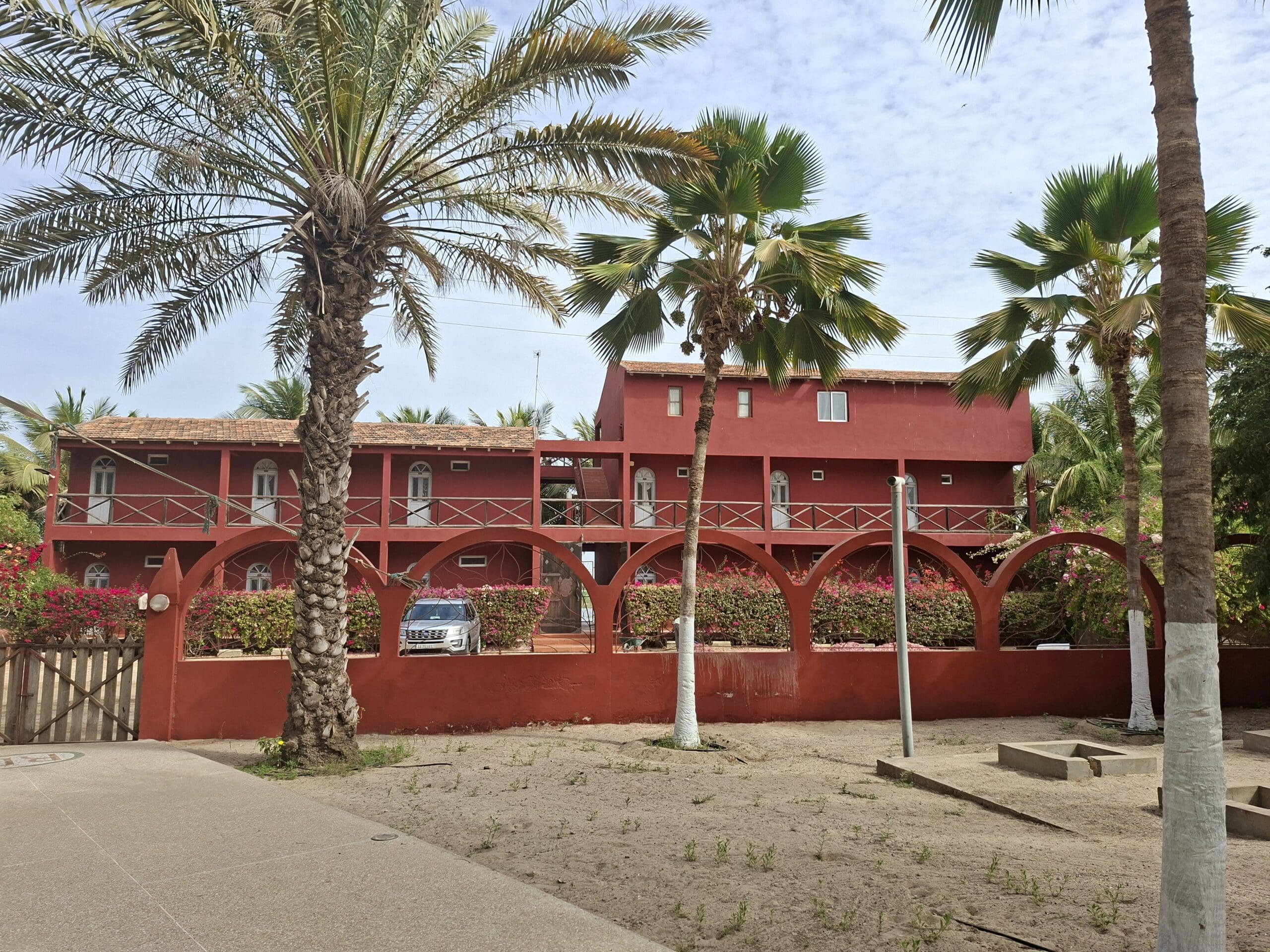
This one is unexpected. About half an hour's drive from Saint-Louis along sandy tracks with no sign of civilisation, a boutique resort has quietly built a well-maintained padel court in the middle of the scrubland. It sounds absurd — and it is, a little — but it makes for a genuinely fun and memorable morning out. The resort itself is well-kept and peaceful, a world away from the bustle of the city. If you play padel, it's worth the adventure. If you don't, the drive through the remote landscape alone gives a vivid sense of just how vast and empty this corner of Senegal truly is.

Our team lives and works in Africa

We develop our own routes

Your trip is tailor-made by us

100% insured while travelling

All your burning questions about Saint-Louis answered

Is Saint-Louis safe to visit?

Yes, Saint-Louis is considered one of the safer cities in Senegal for tourists. The island in particular has a calm, relaxed atmosphere. As always, take standard precautions with valuables and be aware of your surroundings, especially in busy market areas.

How far is Saint-Louis from Dakar?

Saint-Louis is approximately 270 km north of Dakar, roughly a 3.5 to 4-hour drive depending on traffic and road conditions. There are also shared taxis (sept-place) and occasional bus connections between the two cities.

Is the whole island of Saint-Louis a UNESCO World Heritage Site?

Yes, the island of Saint-Louis was inscribed as a UNESCO World Heritage Site in 2000 for its outstanding colonial architecture and urban layout. Renovation works are ongoing, with funding partly expected from France, though progress has been slow.

What religion do people in Saint-Louis follow?

The vast majority of the population is Muslim, which is typical of Senegal as a whole. However, owing to French colonial influence, there is also a small Christian community on the island, and the city has historically been known for its religious tolerance.

How close is Saint-Louis to Mauritania?

Mauritania begins just about two kilometres north of Saint-Louis, separated by the Senegal River. While the border crossing is technically nearby, most tourists do not cross. The contrast between the two countries — in landscape, culture and atmosphere — is immediately apparent from the northern tip of the island.

Discover more in Senegal

Or browse through all our unique and authentic experiences

Experience

Casamance

Romantic little islands, giant baobab trees, and beautiful beaches

Travel Story

With the pioniers to Senegal!

Relive how our pioneers experienced Senegal!

Voorbeeldreis

A road trip through culture, mangroves, and magical baobabs in Senegal

Discover Senegal from Dakar to the far south, and truly unwind.