


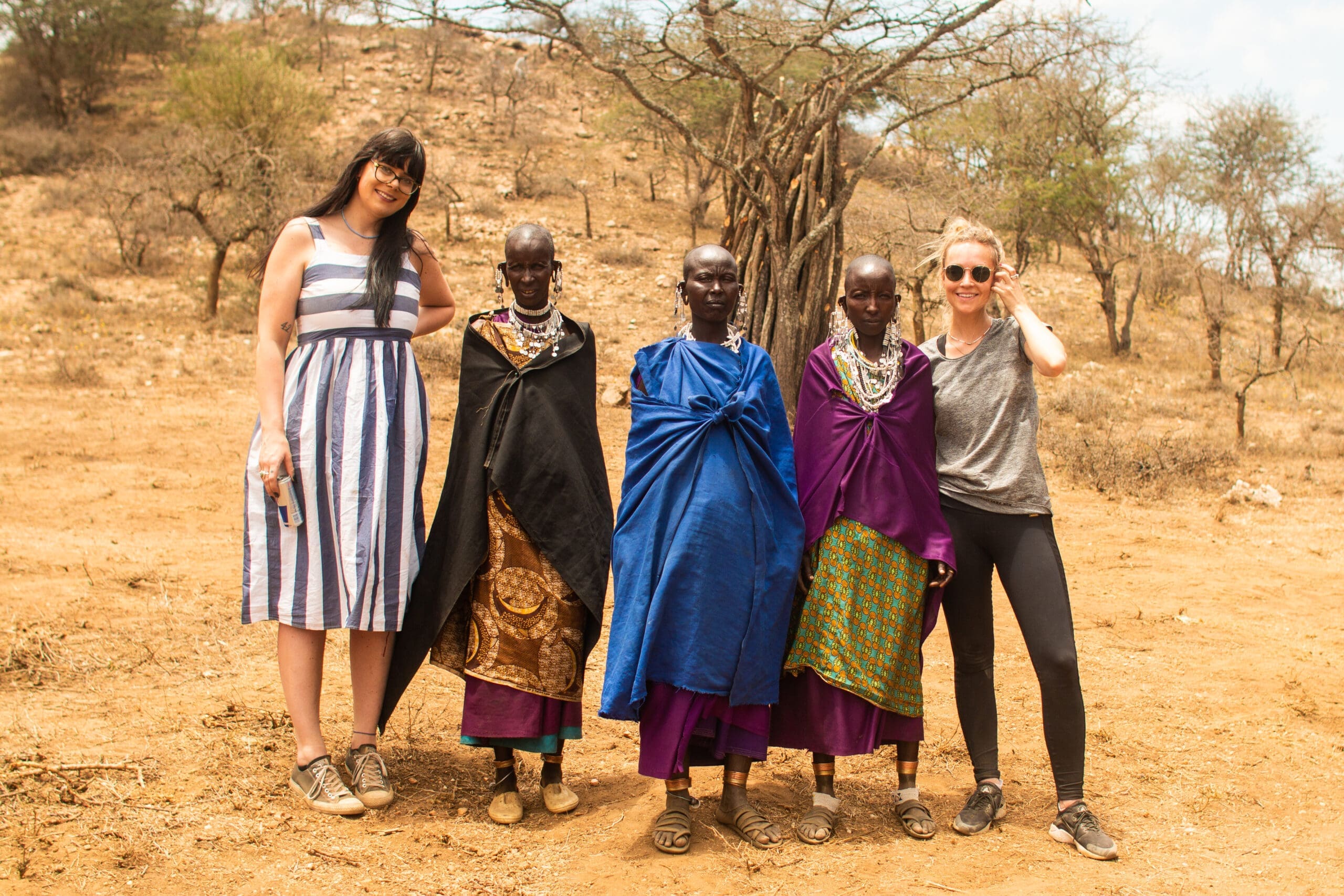


Karoo, Klein Karoo and Baviaanskloof
This is South Africa stripped back to its bones: big skies, endless roads, honest food, and locals who still wave when you drive past. It’s raw, rugged, and real, the kind of place that slows you down.
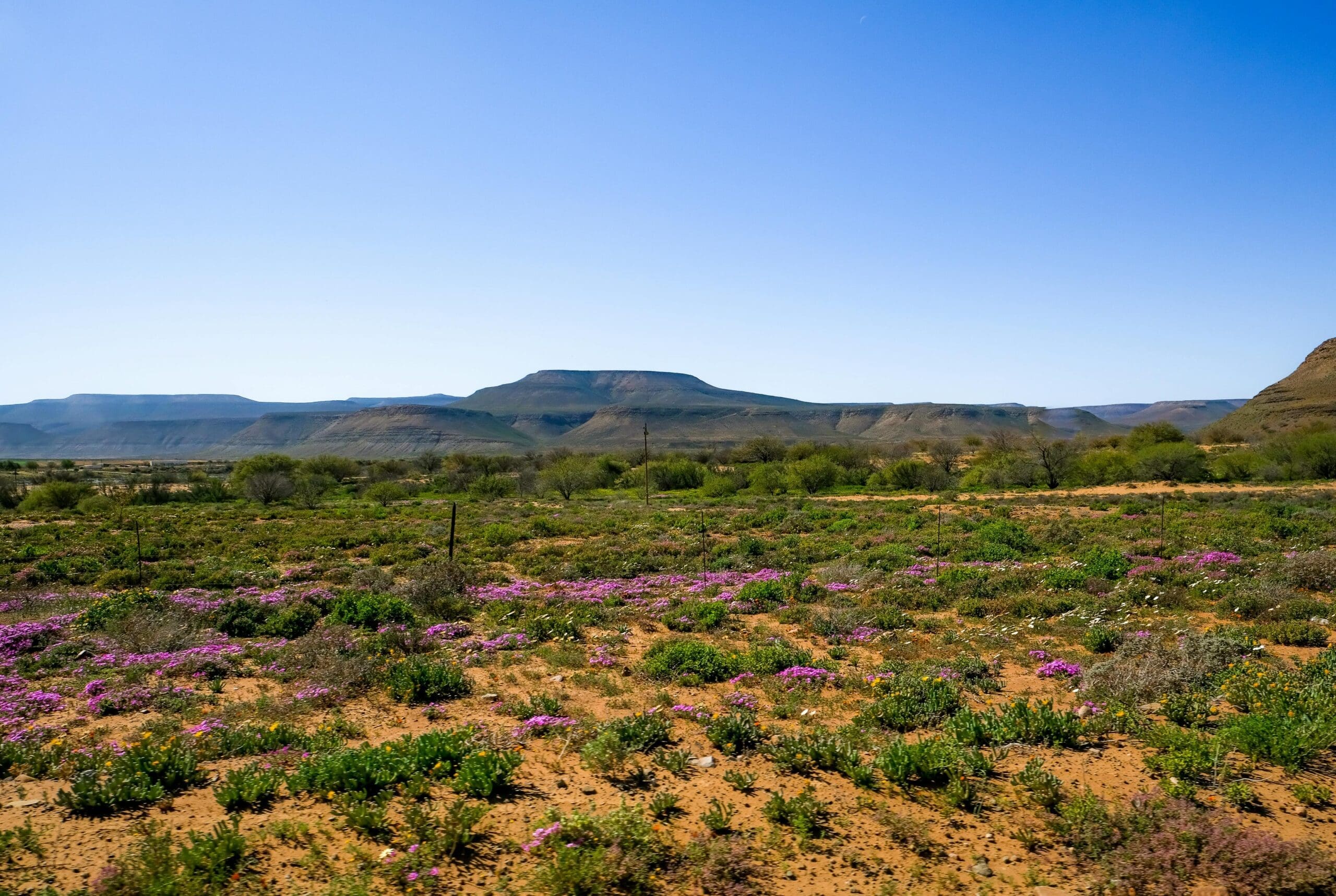
The Karoo: Big skies & small-town soul
The Karoo is the beating heart of South Africa, a massive semi-desert stretching across the country’s interior, where sheep outnumber people and the silence is part of the charm. Its name comes from the Khoi word for “land of great thirst,” and once you’re here, it makes sense with red earth, windmills, and the kind of dry beauty that only comes with age. You’ll find fossils embedded in the rocks, ancient San rock art, and towns that feel untouched by time. Prince Albert, Graaff-Reinet, and Nieu Bethesda are among our favourites, full of artists, storytellers, and small-town warmth. Evenings are for fireside braais, cold beers, and starry skies so bright they almost hum. This isn’t luxury travel, it’s real South Africa, with wide-open landscapes, hearty food, and quiet moments that linger long after you’ve left.
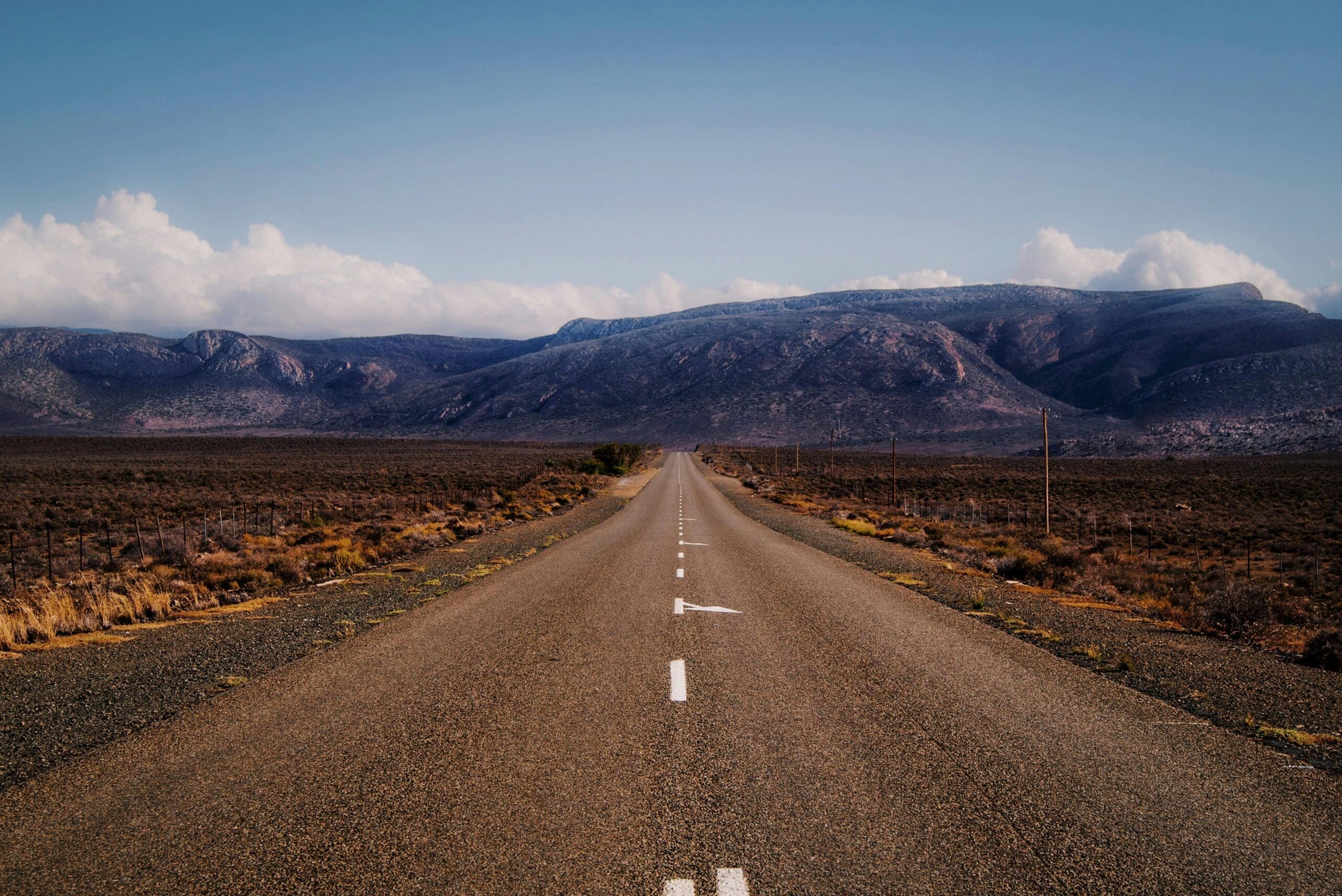
Things to do around the Karoo
Red earth, mountain passes, and skies so wide they make you feel small, welcome to the Karoo and its wilder cousins, the Little Karoo and Baviaanskloof.
The Little Karoo: Route 62, ostriches & fly camps
Tucked between the Swartberg, Langeberg, and Outeniqua mountains, the Little Karoo is where the desert softens just enough for vineyards, farms, and small towns to thrive. Route 62 winds through it all, a scenic stretch of passes, farm stalls, and postcard-perfect stops like Montagu, Barrydale, Calitzdorp, and Oudtshoorn, once the ostrich capital of the world. And for a true Charlie’s experience, spend a night at a fly camp on a working ostrich farm. No WiFi, no fuss, just firelight, mountain silence, and a sky full of stars. Wake to coffee, fresh air, and that unmistakable feeling of freedom.

Baviaanskloof: The wild heart of the Eastern Cape
Hidden between George and Gqeberha, Baviaanskloof is a UNESCO World Heritage valley of rugged mountains, rivers, and deep silence, 192,000 hectares of pure wilderness. Hike through gorges to secret waterfalls, swim in rock pools, or take on one of South Africa’s most iconic 4x4 routes with steep passes, river crossings, and endless views. Along the way, you’ll spot baboons, eagles, and the occasional curious gecko cleaning its eyes with its tongue. Stay in a rustic treehouse, share a home-cooked meal with locals, or gather around a campfire under a sky full of stars. It’s raw, real, and unforgettable, just how we like it.

Exclusive to Charlie's Travels
- Braai workshop: Master the Art of the South African Braai! Learn to braai just like the South Africans do: with fire, feeling, and a whole lot of gezelligheid. During this hands-on workshop, you'll learn all about different cuts of meat, local ingredients, techniques, and traditions. Of course, you'll light the fire yourself and work towards a delicious shared meal. From boerewors to roosterkoek, this is where you quite literally taste South Africa straight off the grill. And you’re guaranteed to take some solid skills and recipes back home with you.
- Veldschool: Truly get to know the Karoo! The Veldschool isn't just your average activity; it's a real-life experience. You'll dive deep into the world of the Karoo: its unique landscape, animals, plants, and the people who call this place home. Think tracking footprints, listening to stories from the locals, spotting wildlife, and learning how to survive in this dry, rugged environment. No textbooks here, you’ll learn everything out in the wild in a practical, down-to-earth way. Perfect for travelers who want to look beyond just the pretty views.

Other things to do in the Karoo & beyond
The Karoo is made for wandering, not rushing. This is South Africa at its most authentic: wide skies, red earth, and stories waiting to be discovered. Here’s what to add to your list:
- Drive Route 62: South Africa’s coolest road trip, winding through wine farms, quirky cafés, and mountain passes.
- Meet the ostriches in Oudtshoorn: Visit working farms, taste ostrich steak, and dive into the region’s fascinating feather-boom history.
- Stay at a fly camp: Sleep under a million stars on a remote ostrich farm, pure Karoo magic.
- 4x4 through Baviaanskloof: One of the most scenic and challenging routes in the country. Rugged, wild, and completely worth it.

The Karoo, Little Karoo, and Baviaanskloof – what’s the difference?
- The Karoo:
The big semi-desert that stretches across central South Africa. It’s known for its wide-open landscapes, small farming towns, and endless starry skies. Parts of the western Karoo are about 3–4 hours from Cape Town, making it a great inland detour from the Garden Route. - The Little Karoo:
Just south of the main Karoo, between the Swartberg and Langeberg mountains. It’s drier than the coast but greener than the Great Karoo, with vineyards, mountain passes, and the famous Route 62 that runs parallel to the Garden Route. Towns like Montagu, Barrydale, and Oudtshoorn are around 3–5 hours from Cape Town. - Baviaanskloof:
A rugged wilderness east of the Little Karoo, between George and Gqeberha. It’s part of the extended Garden Route region but much wilder and less developed. Getting there takes about 4–5 hours from Oudtshoorn or 6–7 hours from Cape Town.
In short:
- The Karoo is dry and vast.
- The Little Karoo mixes desert with vineyards and mountain passes.
- Baviaanskloof is pure wilderness off the far end of the Garden Route.
All three can easily be combined in one epic South African road trip.
Charlie's way of travelling
Our team lives and works in Africa
We develop our own routes
Your trip is tailor-made by us
100% insured while travelling
All your burning questions about Karoo, Klein Karoo and Baviaanskloof answered
What is the Karoo known for?
The Karoo is famous for its vast open landscapes, quiet roads, and big skies. It’s the heart of rural South Africa, where sheep farms, windmills, and small towns like Prince Albert and Graaff-Reinet tell stories of old-world charm and simple living.
How far is the Karoo from Cape Town?
It depends on where you go, but the western part of the Karoo starts around 3–4 hours from Cape Town, making it a great stop for road trippers heading inland or toward the Eastern Cape.
What can I do in the Karoo?
Explore fossil sites, hike through dry plains, visit small-town markets, and enjoy nights under some of the clearest stars in the world. It’s perfect for travellers who love open spaces and slow travel.
What makes the Little Karoo different from the Great Karoo?
The Little Karoo is greener and more fertile, tucked between mountain ranges with vineyards, fruit farms, and charming towns like Montagu, Barrydale, and Oudtshoorn. It’s desert meets wine country.
What are the best things to do in the Little Karoo?
Drive the scenic Route 62, visit ostrich farms in Oudtshoorn, taste local wines, stop at quirky farm stalls, and spend a night at a fly camp under the stars.
When is the best time to visit the Karoo and Little Karoo?
Spring (September–November) and autumn (March–May) are ideal, with mild weather, clear skies, and blooming wildflowers. Summer brings heat, while winter nights are crisp, perfect for stargazing by the fire.
What makes Baviaanskloof special?
Baviaanskloof is one of South Africa’s wildest and most untouched valleys. It’s a UNESCO World Heritage Site known for its rugged mountains, river crossings, and sense of total remoteness.
How do I get to Baviaanskloof?
You can reach it from the Garden Route side via George or Willowmore, about 4–5 hours from Oudtshoorn or 6–7 hours from Cape Town. A 4x4 vehicle is recommended for the full drive through the reserve.
What can I do in Baviaanskloof?
Hike through gorges, swim in natural pools, go birdwatching, or camp under the stars. It’s perfect for travellers who love adventure, nature, and going completely off-grid.
Discover more in South Africa
Or browse through all our unique and authentic experiences
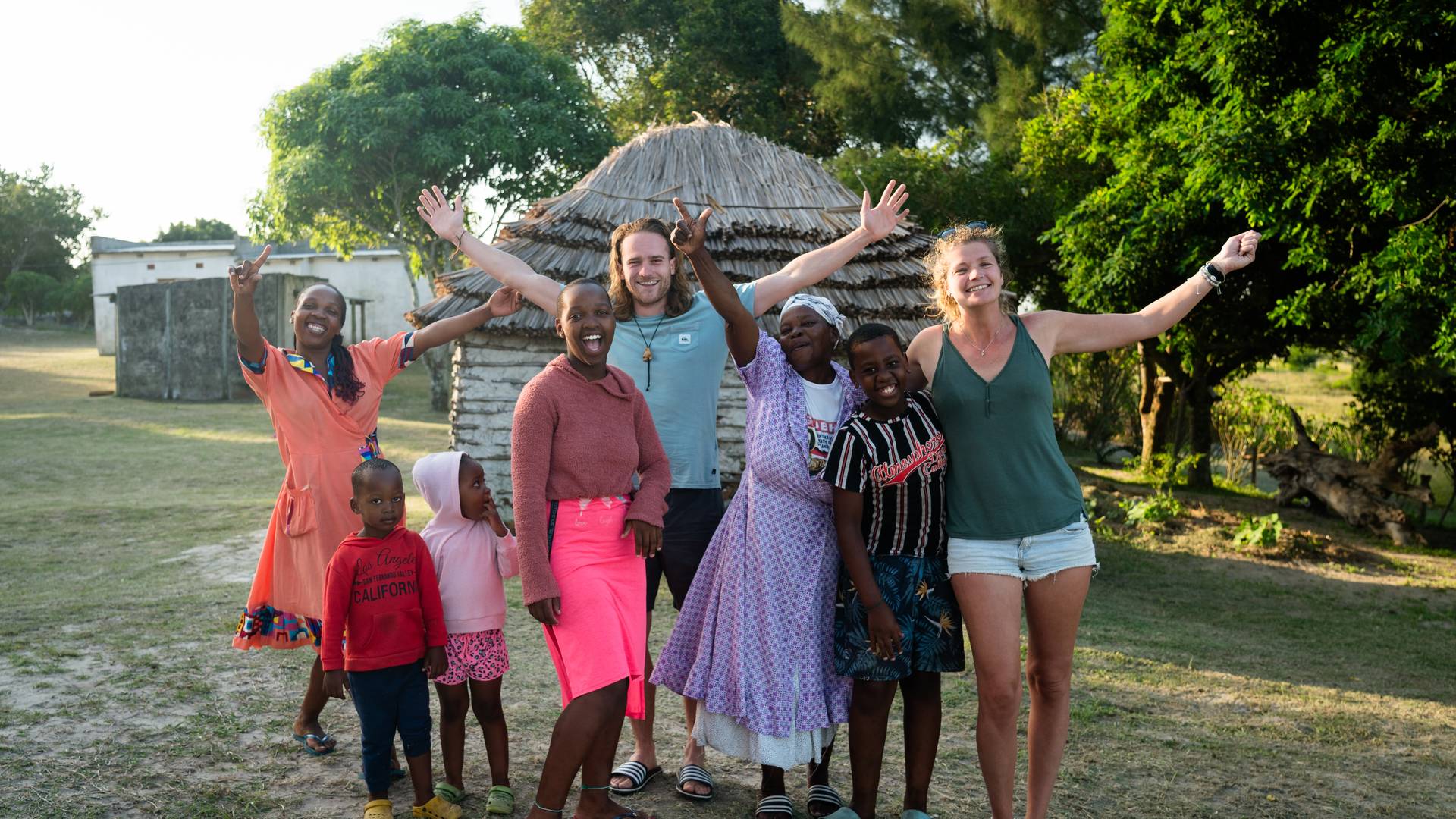
Discover the extraordinary zulu culture
Discover their rich history, traditions and deep connection with nature as you prepare a delicious meal together.

Travelling to South Africa with your toddler
“Traveling in South Africa seemed easy for us, as you have the option to drive yourself, and the distances are not too long. The beautiful nature was also a big attraction, and we were excited that Hidde would be able to see so many animals.”

Adventure and comfort on the garden route
The world famous Garden Route. This iconic route is often praised as the most beautiful in the country, and rightly so.

Need travel advice? Ask our Africa experts
Hungry for the unknown? Our Africa experts have answers to your pressing questions.