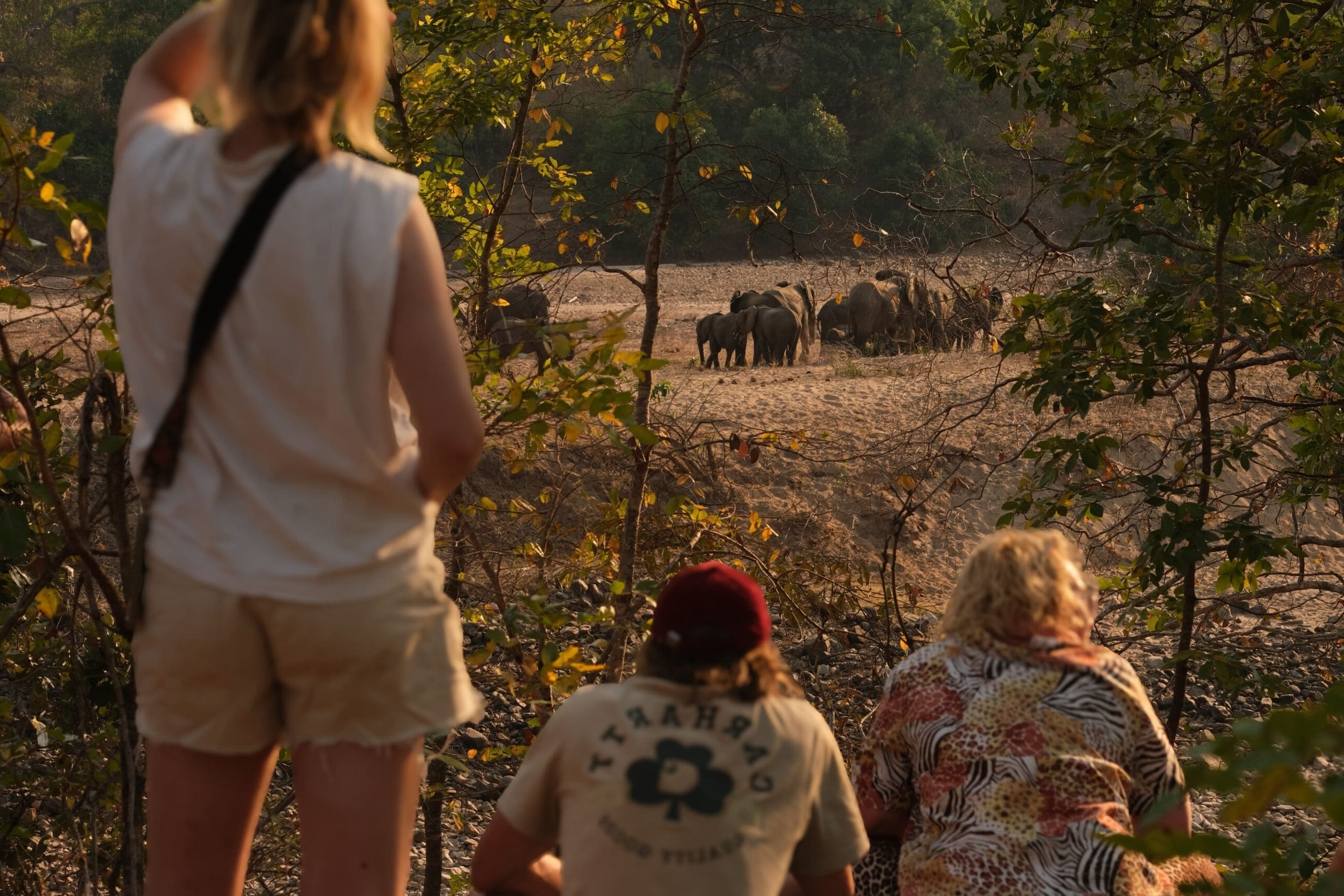


From the iconic savannas of the Serengeti and the striking shape of Kilimanjaro to tropical rainforests and quiet lakes, the nature in Tanzania is overwhelming and incredibly diverse. Lions, elephants, zebras and hundreds of bird species roam between acacia trees, volcanoes and lakes like Lake Victoria.
Want to know more about the most loved safari parks among our travellers? Check this article on safariparks in tanzania.
Watch this video of our founder Charles climbing Mount Longido
What makes nature in Tanzania so unique?
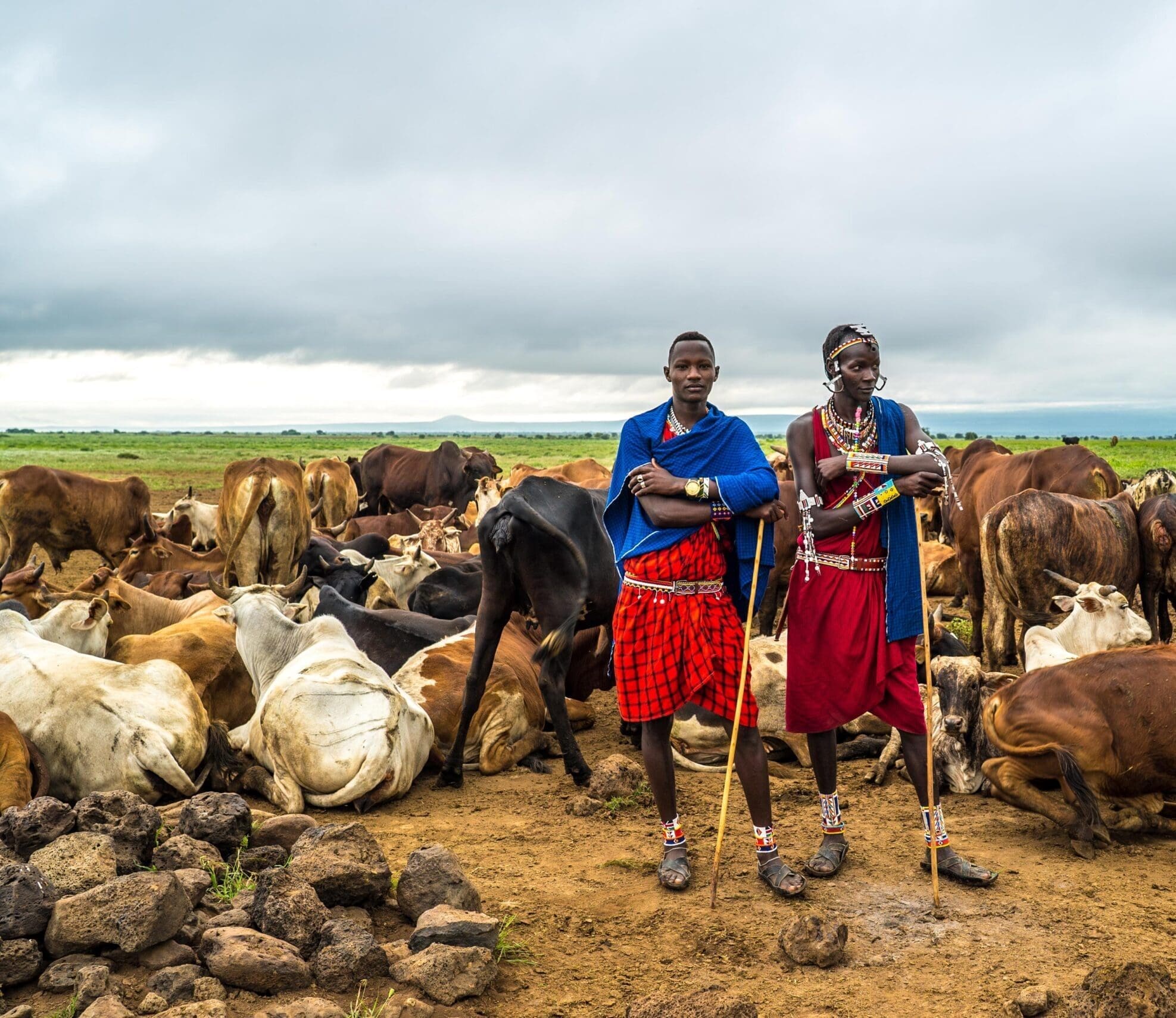
The nature of Tanzania is incredibly diverse. The country is home to sixteen national parks, ranging from mountain ranges to coastal areas and from crater lakes to endless savannas. Whether you come for mountains, wildlife, lakes or forests, Tanzania offers every traveller a piece of wilderness they will never forget. Tanzania is also culturally diverse with no less than one hundred twenty eight tribes who all have a close relationship with nature.The most beautiful natural places in Tanzania
Because the country is so large, you simply cannot see everything in a few weeks. That is why we highlight three iconic natural areas you really should not miss.Mount Kilimanjaro and the Usambara Mountains
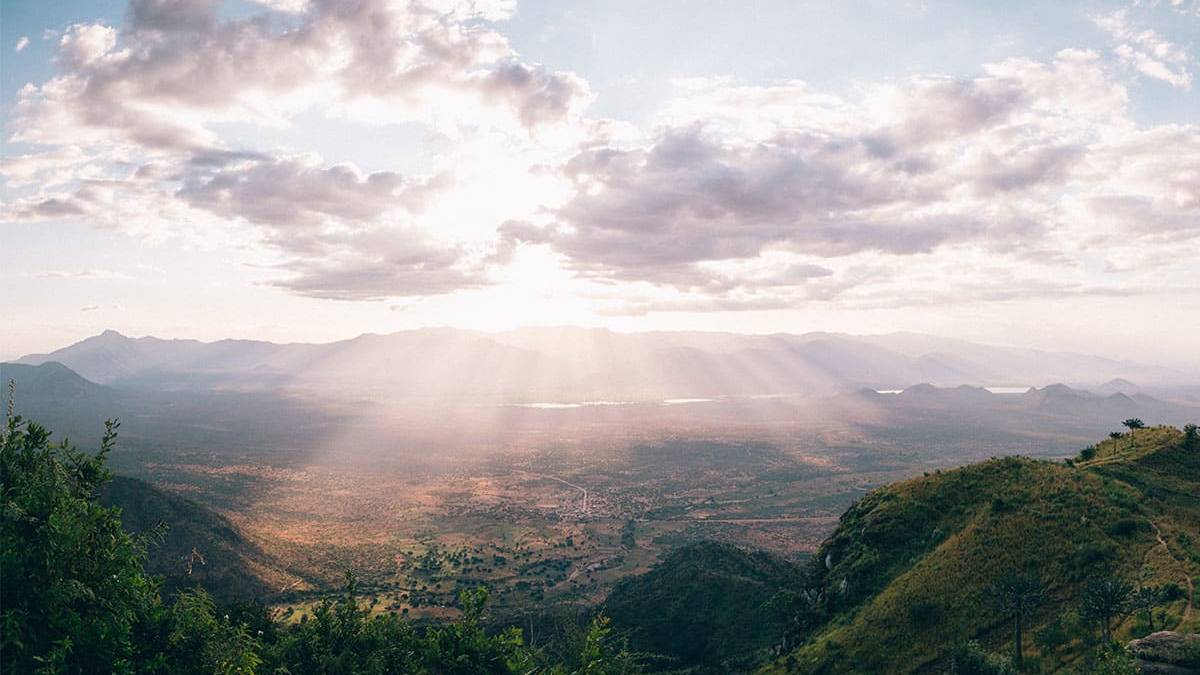
Kilimanjaro is the highest mountain in Africa at five thousand eight hundred ninety five metres with three volcanic cones called Mawenzi, Shira and Kibo. What makes the Kili unique is that you can climb it without being a professional mountaineer. It is challenging, but a once in a lifetime experience. Prefer something calmer and greener? Then the Usambara Mountains in northeastern Tanzania are a fantastic alternative. Covered in tropical rainforest, rare plants and unique bird species, this range is an ecological hotspot. On a clear day you can see Kilimanjaro on one side and the vast plains of Mkomazi National Park on the other. Sunsets here are magical.Lake Victoria and its surrounding ecosystems
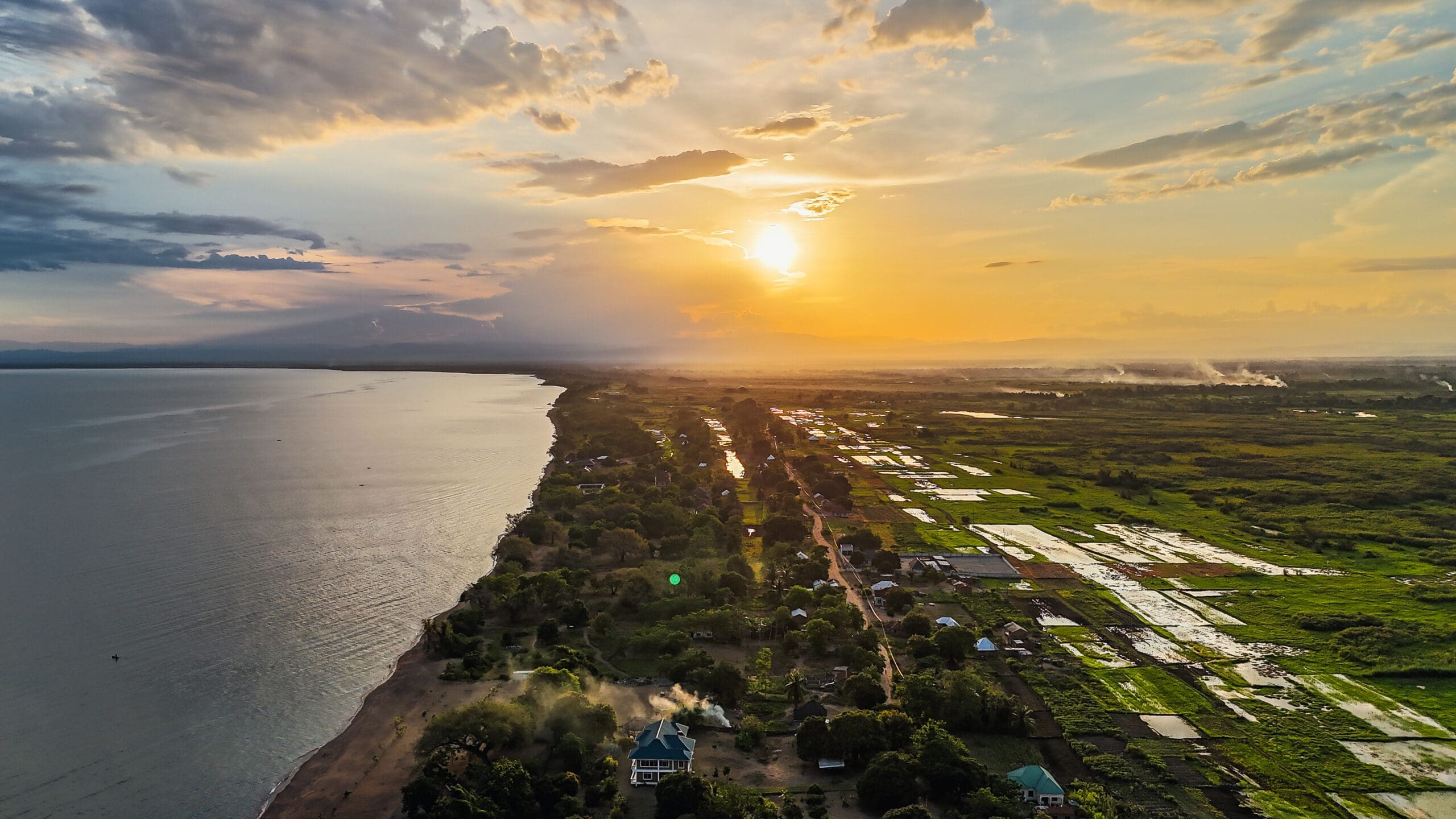
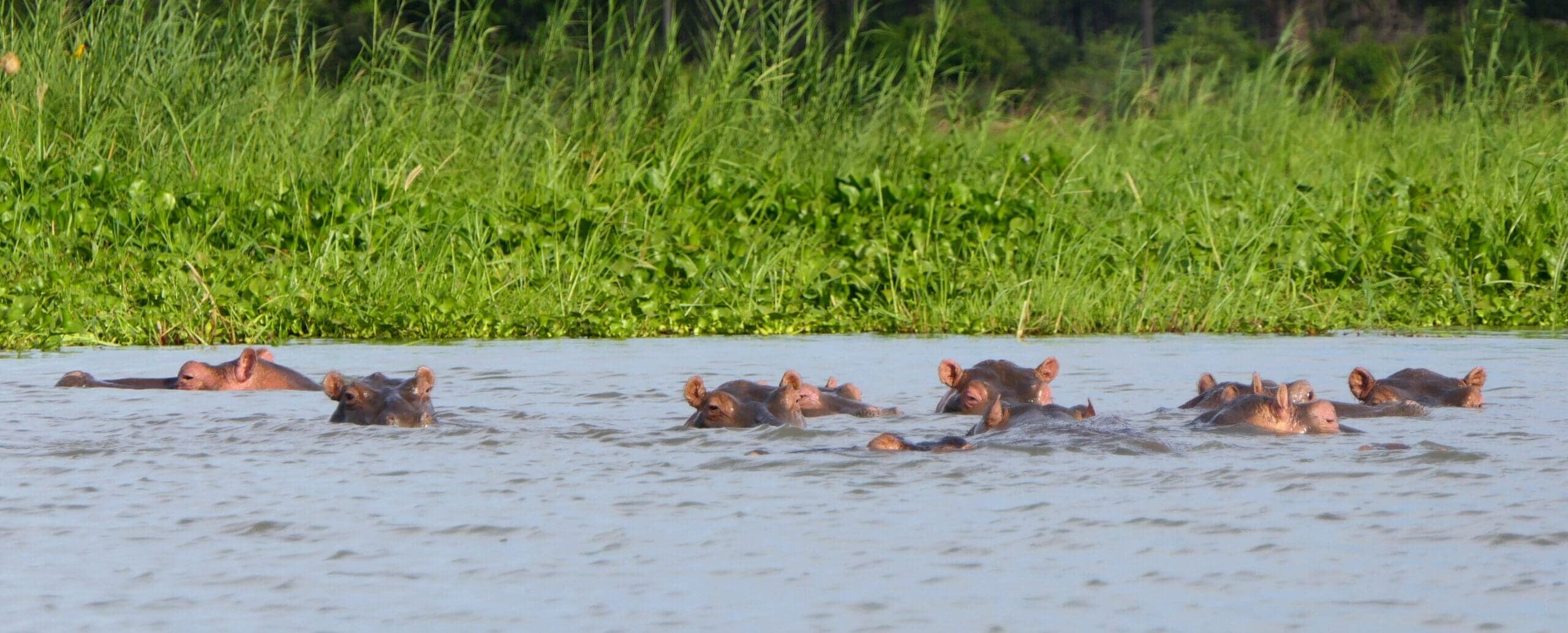
Lake Victoria covers sixty eight thousand eight hundred square kilometres, making it the largest lake in Africa and the second largest freshwater lake in the world. It spans Tanzania, Uganda and Kenya. Around the lake you will find countless bird species, hippos and fishing communities that have lived from this ecosystem for generations.The Ngorongoro Crater and its wildlife
The Ngorongoro Crater is one of Africa’s greatest natural wonders. In this giant collapsed caldera you find one of the highest wildlife densities on the continent. Elephants, rhinos, lions, buffalos, cheetahs, zebras and flamingos all live here. Only giraffes are missing because the crater walls are too steep. The area is UNESCO World Heritage and perfect for safari, although you do need to accept a few landcruiser traffic jams.Nyerere National Park
Off-the-beaten-track Tanzania at its best! Forget the Serengeti! Nyerere National Park, formerly known as Selous Game Reserve, is Africa's largest protected nature reserve. So large, in fact, that it takes a few days to drive through it completely, without encountering another safari jeep. And that's how it feels. Here you will discover a landscape that constantly changes from open savannah to dense riverine forests.National parks and nature areas in Tanzania
| Nature area | Region | Unique sighting | Best time to visit | Special features |
| Serengeti National Park | Northern Tanzania | Migration of millions of wildebeest and zebras | June to October | World famous savanna and Big Five |
| Ngorongoro Crater | Northern Tanzania | Highest wildlife density in Africa | All year round | UNESCO World Heritage |
| Mkomazi National Park | Northeast Tanzania | Black rhinos and wild dogs | June to October | Transition zone between savanna and steppe |
| Ruaha National Park | Southern Tanzania | Large elephant populations and lions | June to October | One of the biggest and quietest parks in Africa |
| Nyerere National Park | Southeast Tanzania | Rivers, wetlands and boat safaris | June to November | Former Selous and ideal for adventurous safaris |
| Mikumi National Park | Central Tanzania | Giraffes, zebras and wildebeest | June to October | Easy to reach from Dar es Salaam |
| Udzungwa Mountains | Southern Tanzania | Rainforest, primates and waterfalls | June to November | Perfect for hikers and nature lovers |
| Lake Manyara National Park | Northern Tanzania | Tree climbing lions and flamingos | June to September | Compact park with a diverse ecosystem |
| Tarangire National Park | Northern Tanzania | Elephants and baobab trees | June to October | Stunning landscapes and incredible birdlife |
Trees, plants and ecosystems in Tanzania
For the tree lovers: Tanzania is full of special vegetation. One of the most iconic trees is the baobab with its thick trunk and twisted branches that look like upside down roots. Its fruit is loved by both humans and monkeys. The jackfruit tree is also easy to spot. It produces giant fruits of up to fifty kilos and gives many areas a lush tropical atmosphere. In the south you find mangrove forests along the coast, while in the north acacia trees and open grasslands dominate.Mountains and volcanoes in Tanzania
Tanzania is a land of dramatic elevation changes and volcanic beauty. From the majestic Kilimanjaro to the sacred Mount Longido, every mountain has its own story.Mount Kilimanjaro
The climb to the top of Kilimanjaro takes you through five climate zones. You start in lush rainforest full of birds and monkeys, move through misty forests and end between rocks, ice and snow. It is literally a journey from the tropics to the Arctic in just a few days.Mount Meru
Mount Meru lies in Arusha National Park and is a favourite among adventurous travellers. The climb is shorter and quieter than the Kili, but just as impressive. You walk through rainforest, along volcanic rock formations and might see giraffes and zebras in the distance. From the summit you look out across the Rift Valley and Kilimanjaro.Mount Longido
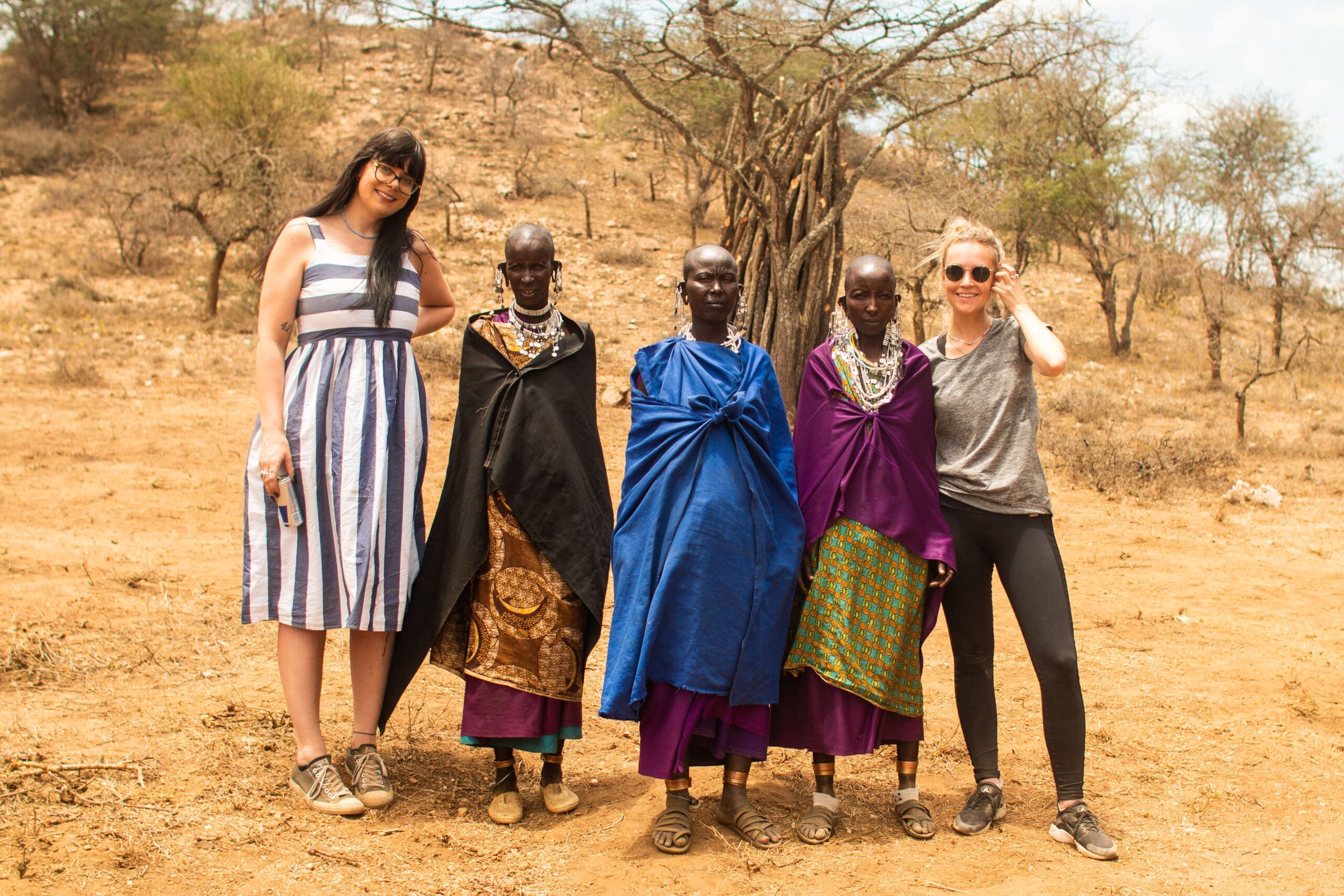
The sacred Mount Longido lies in Masai land near the border with Kenya. During the climb you learn from local Masai guides about their traditions and the use of medicinal plants. The trail winds through dry savanna, dense forest and rugged rock formations. The views at the top are endless with panoramas across northern Tanzania.Uluguru Mountains
The Uluguru Mountains rise steeply behind Morogoro and form one of the most biodiverse mountain areas in East Africa. Hiking here is a refreshing experience. You will find narrow trails through the jungle, past fields, banana trees and small villages where children greet you with smiles. Along the way, you will walk past locals carrying their harvest downhill, past tea fields and through cool forests where the air feels moist and fresh.| Mountain | Height | Difficulty | Duration | Highlight |
| Mount Kilimanjaro | 5895 m | Challenging | 6 to 8 days | Sunrise views over Africa |
| Mount Meru | 4566 m | Moderate | 3 to 4 days | Wildlife filled trek through Arusha NP |
| Mount Longido | 2629 m | Light | 1 day | Masai culture and Rift Valley views |
| Usambara Mountains | 2300 m | Moderate | 1 to 3 days | Tropical forest and local villages |