




South Malawi
In the south of Malawi, mountain passes wind through misty tea fields, colonial towns hide among the greenery and you walk over ancient paths towards waterfalls and mountain peaks.
Mountains, towns and tea fields
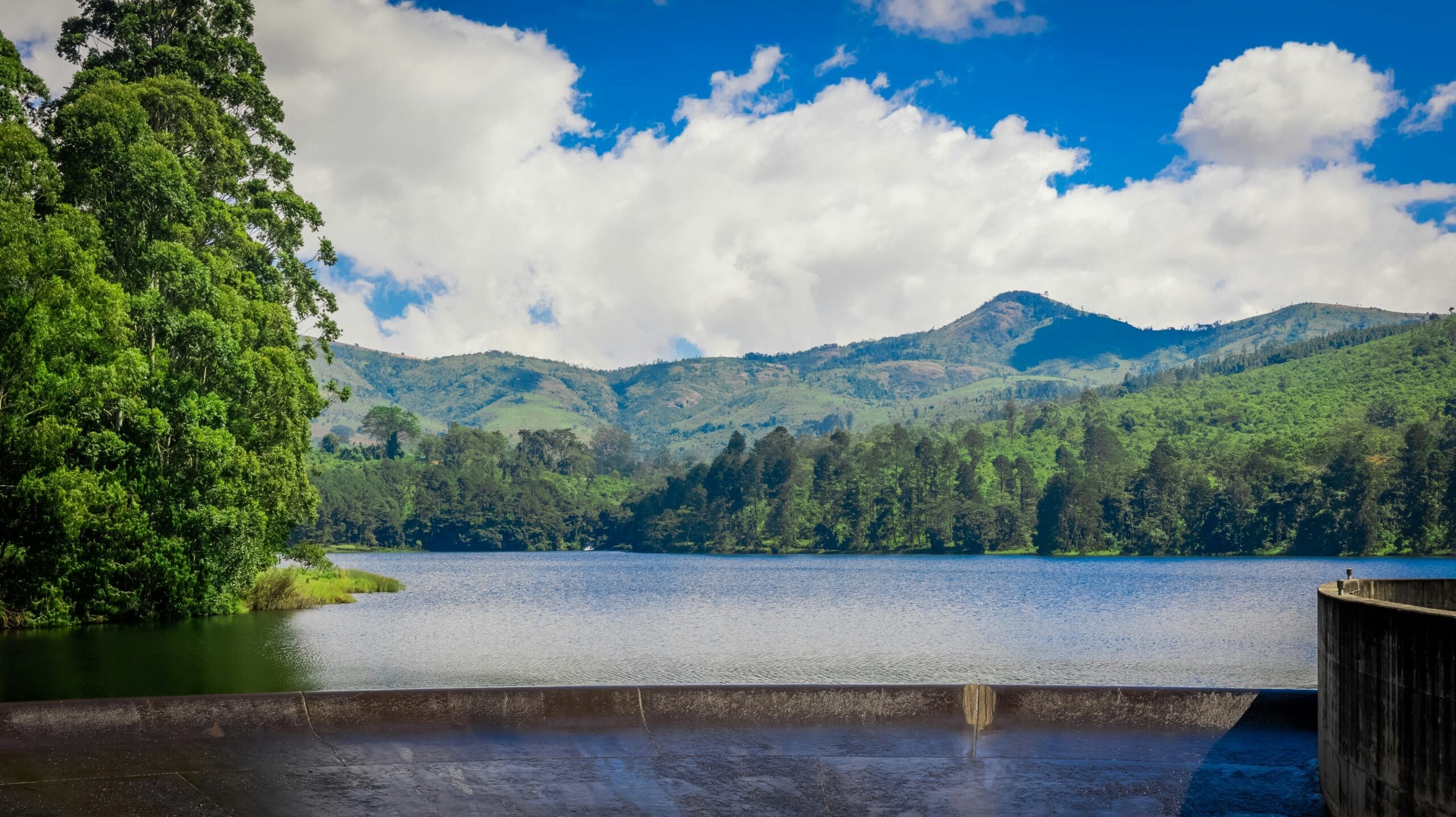
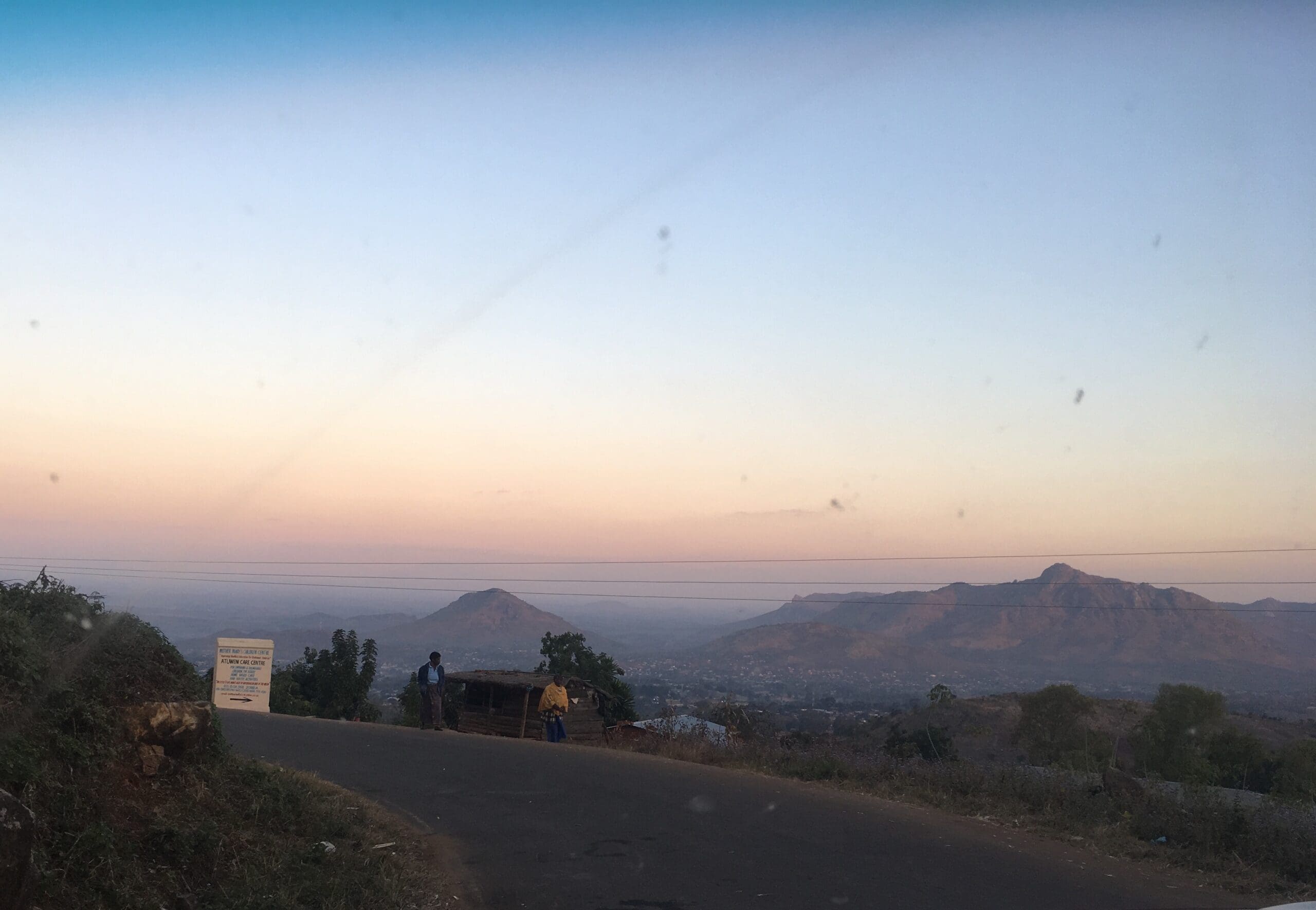
South Malawi is the most populated and economically active part of the country, with Blantyre as its commercial capital. The region is very diverse in landscape, from rolling agricultural plains and extinct volcanoes to mountain areas and tea plantations.
One of the highlights is the Zomba Plateau, a vast elevated forest area that is popular for walks, waterfalls and viewpoints. Not far from there lies Zomba Town, the former capital of Malawi with colonial buildings and lively markets. Towards the southeast border you find Lengwe National Park and Majete Wildlife Reserve, where reintroduction projects are slowly bringing the Big Five back to this part of Malawi.
South Malawi is therefore a region where culture, nature and history come together at close distance.

Activities in South Malawi
A combination of mighty mountains for serious hikes, accessible beach destinations for a cocktail at sunset and safari parks without crowds.
Mulanje
As if you step into another world. The Mulanje Mountains rise like a stone cathedral out of the landscape, and once you are at the top it feels as if you have landed in an exciting fairytale book. Wisps of mist rush past you, the surroundings change by the minute, from dense forest to bare rocky peaks and green valleys full of waterfalls. With the cherry on top, the moment you rise above the clouds and you can almost literally touch the sky.
Mulanje is grand, mystical and sometimes even a little eerily beautiful. The locals do not call it The Island in the Sky for nothing. During the day you walk along cliffs, through forests and over open plains while your guide tells you stories about the mountain spirits that are said to live here.
In the evening you warm up in one of the wooden log cabins scattered across the mountain. Simple, cosy and lit by candles, an experience that feels like camping among the clouds. Here you are far away from the world, in the middle of the silence of nature.

Zomba
Zomba is not your average nature park, but a living part of Malawi where nature and daily life flow seamlessly together. You walk here without a gate, without an entrance ticket, simply up the mountain among locals who use the same path to collect wood or water. While you are panting your way up, the strong African mamas whistle past you with kilos of wood balanced on their heads.
The mountain is an oasis of green, with forests, waterfalls and clear streams. Everywhere you hear birds, rustling and the wind moving through the trees. On top of the plateau you are rewarded with views over the valleys and the town of Zomba below, once the administrative heart of Malawi, even visited by Emperor Haile Selassie.
Cape Maclear & Monkey Bay
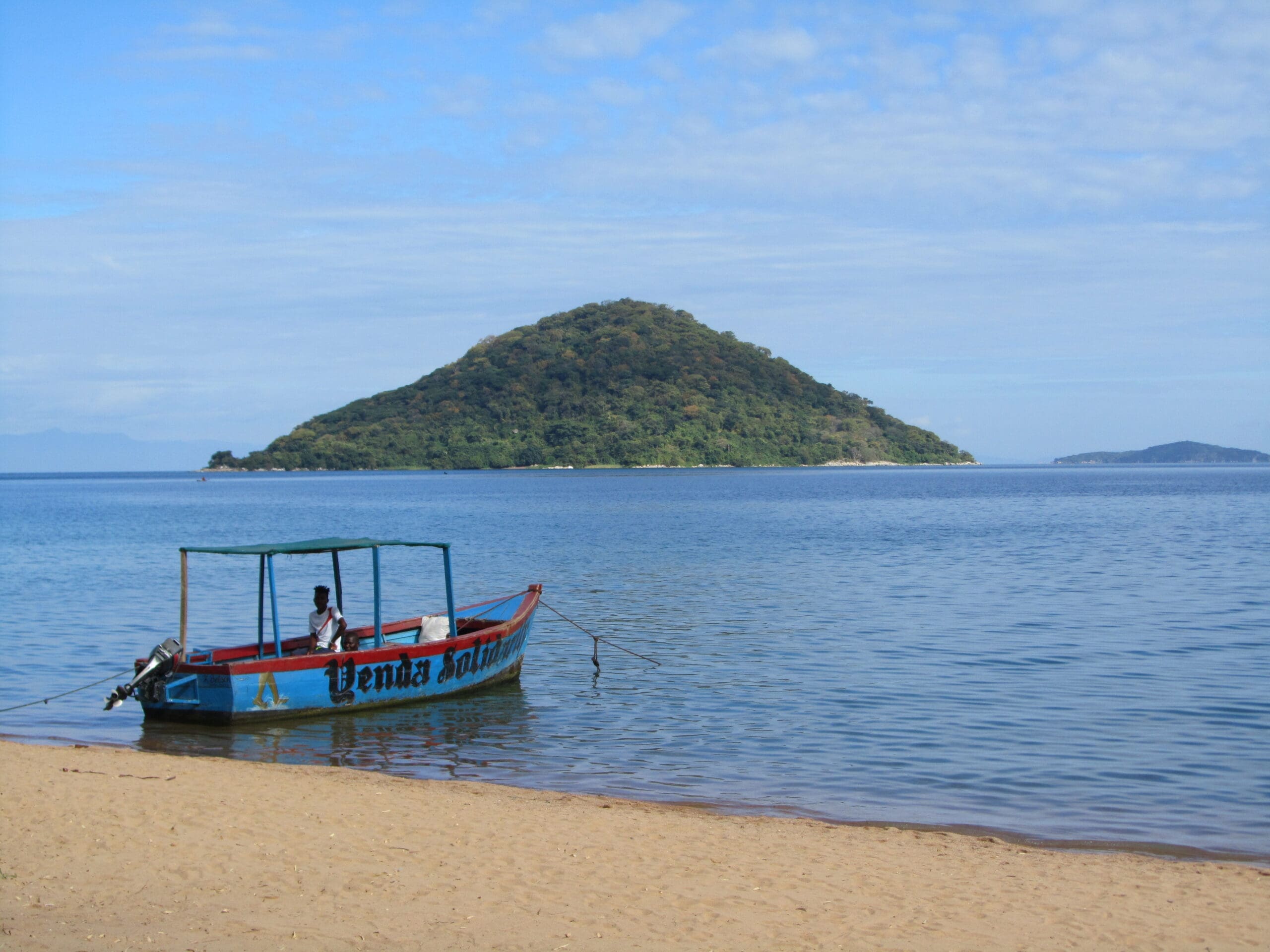
Welcome to the cheerful chaos of Cape Maclear and Monkey Bay, the most famous beach destinations of Malawi. Here life flows together, travellers in hammocks, fishermen on the lake, children playing football on the beach and women washing clothes between kayaks and snorkellers.
Yes, it is touristy by Malawian standards, but in the best possible way. The atmosphere is relaxed, colourful and friendly. You will find more accommodation here than elsewhere on the lake, from laid back backpacker hostels to charming lodges on the water. During the day you explore the water by kayak or snorkel among hundreds of tropical fish species that are found only here.
In the afternoon you settle down at one of the beach bars where the music plays softly and the smell of freshly grilled fish mixes with the lake breeze. And then comes the highlight, the sunset. Nowhere else is it as intensely orange, red and purple as on this stretch of Lake Malawi.
Cape Maclear and Monkey Bay are places where tourism and daily life are in balance, where you swim with your snorkel in the same water where locals wash their clothes, and where everyone enjoys the rhythm of the day together. The real Malawi but with a cocktail in your hand.
Liwonde National Park
Where the Shire River flows into Lake Malombe and eventually into the mighty Lake Malawi, that is where Liwonde National Park lies, a park that lives by the water. Here you float among hippos and crocodiles during perhaps the most beautiful boat safari in Africa. After just fifteen minutes you lose count of how many hippos are puffing around you. And birds, they are everywhere. They glide above the water, rest on the backs of the hippos or flash through the air in all colours of the rainbow. A true paradise for bird lovers.
From your boat you see buffaloes and antelopes drinking and bathing along the banks while elephants calmly wade through the water. The game drives on land are just as worthwhile, through green, lively landscapes where with some luck you spot lions, cheetahs and even rhinos.

Majete Wildlife Reserve
Majete is the success story of Malawi. Where at the start of this century there was barely any wildlife left, the reserve now teems with life. Thanks to years of reintroduction projects, elephants, buffaloes, leopards, rhinos and lions roam here again, the Big Five has fully returned. Even the endangered Wild Dogs have fully returned to this park. Majete is an inspiring example of how nature restoration in Africa can indeed succeed.
With dense forests, open plains and the Shire River flowing peacefully through it, Majete is a place where you feel nature coming back to life. The safaris are intimate, adventurous and authentic, you share the wilderness with hardly any other visitors. Only a handful of lodges, two to be exact, make this an exclusive safari experience without crowds. As the sun slowly sets and the first night sounds rise, you feel completely at peace.

Charlie's way of travelling
Our team lives and works in Africa
We develop our own routes
Your trip is tailor-made by us
100% insured while travelling
All your burning questions about South Malawi answered
What are the highlights of South Malawi?
In South Malawi you find Mount Mulanje, Liwonde National Park, Zomba Plateau and the southern part of Lake Malawi near Cape Maclear and Mangochi. The region is a mix of nature, culture and adventure.
Can you go on safari in South Malawi?
Yes, in Liwonde National Park you can spot the Big Five including elephants, lions and rhinos. You can also do boat safaris and walking safaris, often with fewer tourists than in neighbouring countries.
What is there to do on Mount Mulanje?
Mount Mulanje is the hiking and climbing area of Malawi. You can do day hikes or a multi day trek with overnight stays in mountain huts, guided by local guides and porters.
What is the best way to reach South Malawi?
Most travellers fly to Blantyre, the gateway to the south. From there you can easily drive to Mount Mulanje, Zomba or Liwonde. The roads are good, especially in the dry season.
What is the best time to visit South Malawi?
Between May and October it is dry, cool and ideal for hikes and safaris. November to April is the rainy season, everything is greener but some areas may be harder to reach.
Is South Malawi suitable for families or first time Africa travellers?
Certainly. Distances are short, infrastructure is good and you find friendly locals, comfortable accommodation and a lot of variety. Perfect for a first introduction to Africa away from the typical tourist trail.
Where do you stay in South Malawi?
There are small scale lodges, guesthouses and eco resorts in Blantyre, Zomba, Mulanje and around Liwonde. Many places work together with the local community or are set in nature.
Discover more in Malawi
Or browse through all our unique and authentic experiences
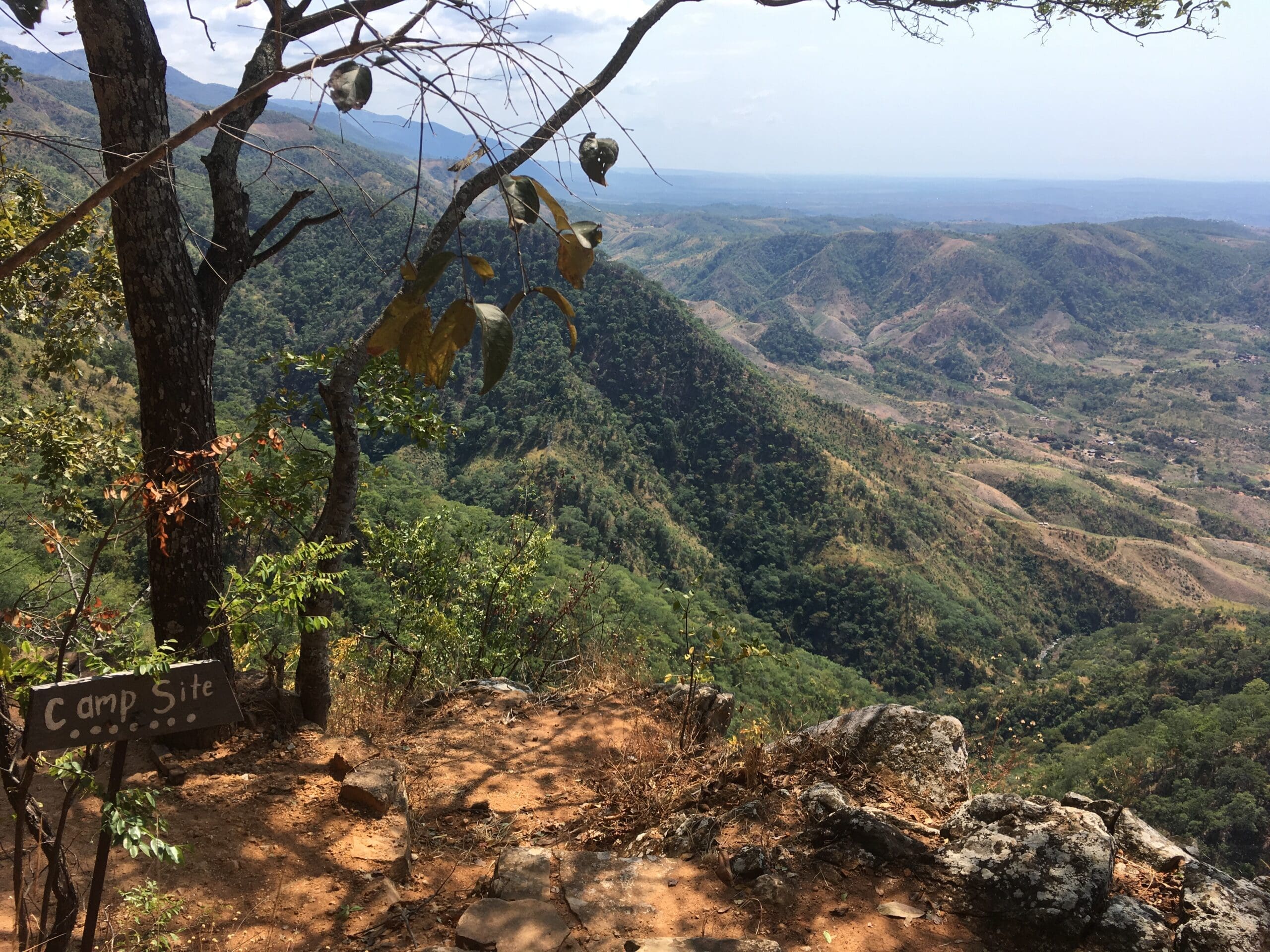
Livingstonia
This mountain town with panoramic views over Lake Malawi was once a mission post and is now a charming place full of nature, history and adventurous hikes.
Discover the south of Malawi
Here, green tea plantations, rolling hills and old colonial towns flow into one another, with the Mount Mulanje massif towering above it all as the absolute highlight.

The pioneering trip of Eva
“Every trip to Africa is a journey back to the continent where I feel at home. The people, the nature, the scents and the colours, it all feels like coming home.”

Need travel advice? Ask our Africa experts
Hungry for the unknown? Our Africa experts have the answers to your burning questions.